
Most ebook files are in PDF format, so you can easily read them using various software such as Foxit Reader or directly on the Google Chrome browser.
Some ebook files are released by publishers in other formats such as .awz, .mobi, .epub, .fb2, etc. You may need to install specific software to read these formats on mobile/PC, such as Calibre.
Please read the tutorial at this link. https://ebooknice.com/page/post?id=faq
We offer FREE conversion to the popular formats you request; however, this may take some time. Therefore, right after payment, please email us, and we will try to provide the service as quickly as possible.
For some exceptional file formats or broken links (if any), please refrain from opening any disputes. Instead, email us first, and we will try to assist within a maximum of 6 hours.
EbookNice Team
Status:
Available4.3
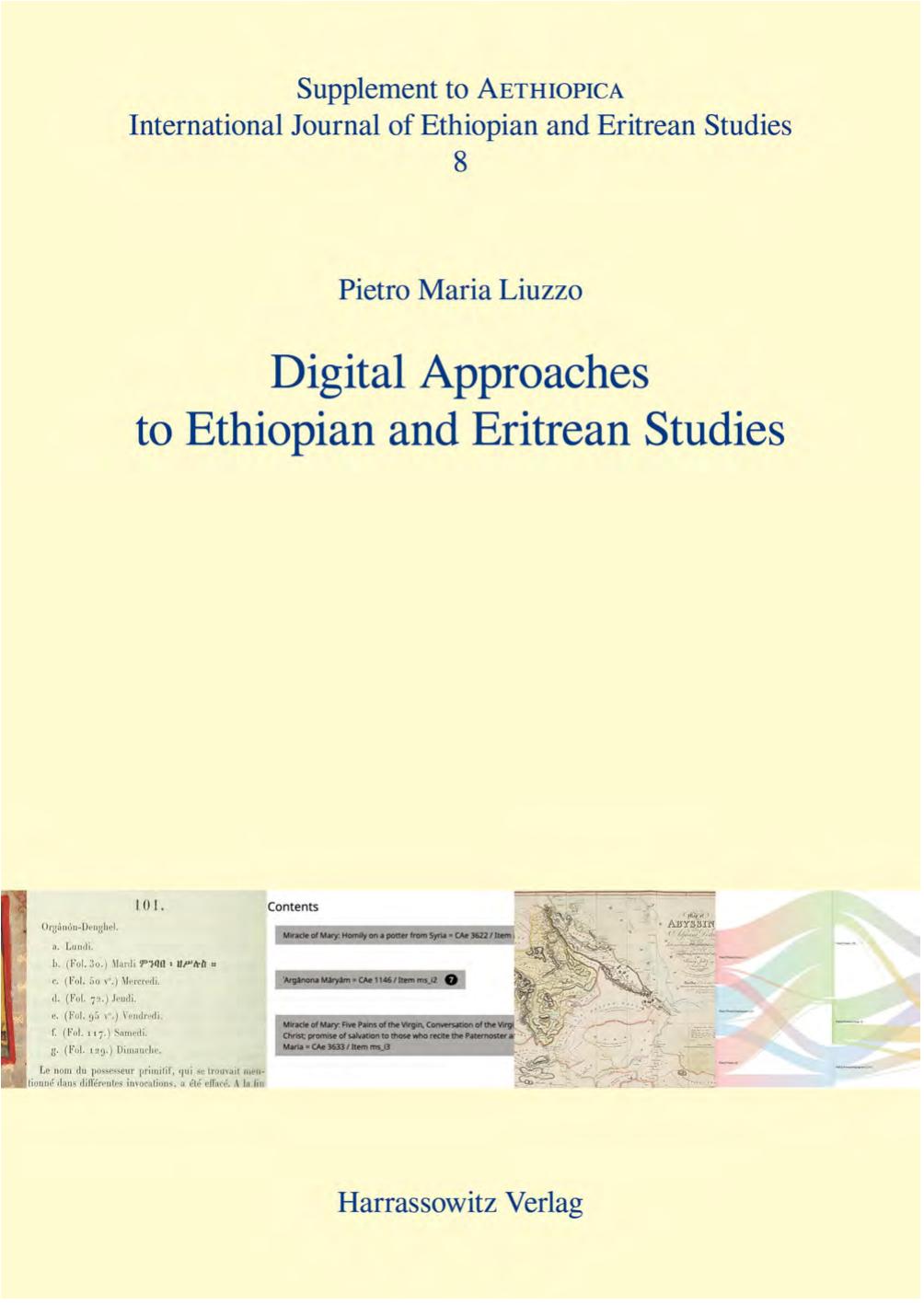
6 reviewsEach chapter of the book focuses on specific aspects related to different types of written artefacts, to look into features of codicology, literary tradition, distribution in space, and historical geography. Lexicographic resources are also discussed and exploratory queries are presented and commented in order to provide the reader not only with results but with the means to reproduce these examples on the same or on other datasets. Special attention is given to ways in which openly accessible and collaboratively edited data pertaining to the manuscript traditions of Ethiopia and Eritrea can be used by researchers in connection with other openly available datasets. This book aims at rising curiosity for the use of TEI and LOD among specialists in Ethiopian and Eritrean Studies, but also provides scholars in Digital Humanities with discussions of the principles driving the choices made for the digital products of the Hiob Ludolf Centre for Ethiopian Studies.
4.4
20 reviews

4.5
29 reviews
4.6
31 reviews
4.3
28 reviews
4.7
14 reviews

4.6
10 reviews