
Most ebook files are in PDF format, so you can easily read them using various software such as Foxit Reader or directly on the Google Chrome browser.
Some ebook files are released by publishers in other formats such as .awz, .mobi, .epub, .fb2, etc. You may need to install specific software to read these formats on mobile/PC, such as Calibre.
Please read the tutorial at this link. https://ebooknice.com/page/post?id=faq
We offer FREE conversion to the popular formats you request; however, this may take some time. Therefore, right after payment, please email us, and we will try to provide the service as quickly as possible.
For some exceptional file formats or broken links (if any), please refrain from opening any disputes. Instead, email us first, and we will try to assist within a maximum of 6 hours.
EbookNice Team
Status:
Available5.0
11 reviews
ISBN 10: 143314865X
ISBN 13: 9781433148651
Author: Randa Elbih
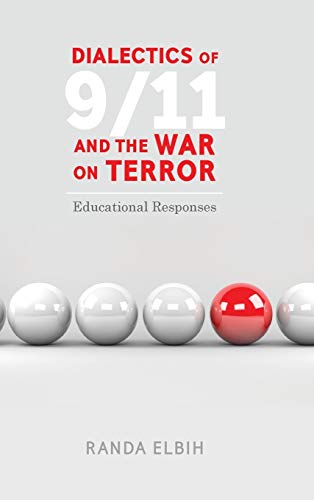
Dialectics of 9/11 and the War on Terror: Educational Responses examines how global financial and socio-political systems propagate a lopsided dialectic of current events that influences teachers’ pedagogies of 9/11 and the War on Terror. The lopsided dialectic is one that encourages patriotism and militarism, conceals imperialism, and shuts out Muslim voices. Interviews with Muslim American students and high school teachers plus textual analysis of high school U.S. history textbooks demonstrate how curriculum and educators impact marginalized students’ identities and sense of belonging. As Muslim students describe their isolation and fear, and teachers discuss the challenges they face, readers will also learn how "us versus them" rhetoric deflects attention from the erosion of democratic values and the underlying socio-economic reasons for the War on Terror.
Dialectics of 9/11 and the War on Terror: Educational Responses is easy-to-read and directed toward teachers, scholars, and curriculum developers, and includes actionable suggestions for teaching these topics in a balanced and holistic way. The ultimate goal of Dialectics of 9/11 and the War on Terror: Educational Responses is to grow critical dialectical pedagogy (CDP), a new introduction to the field of critical pedagogy, in order to nurture the next generation of global citizens. Dialectics of 9/11 and the War on Terror: Educational Responses can be used in teacher training, curriculum and instruction, multicultural education, secondary social studies education, research in education courses, as well as other areas of instruction.
Chapter 1: Uncovering the Lopsided Dialectic of 9/11 and the War on Terror
References
Chapter 2: How Teaching Can Change the World?
How 9/11 Changed the United States
Why It Is Challenging to Teach About 9/11—And Why You Should Do It Anyway
Why So Few Students Study Controversial Current Events
Curriculum Influences: Socio-Political Ideologies
Curriculum Influences: Economic Ideologies
Teaching Back: What Teachers Can Do to Change Society
Critical Pedagogy: One of the Best Ways to Teach Back
Conclusion
References
Chapter 3: Meet the Teachers
Before Osama bin Laden Died: A Few Conversations with Teachers
Grading Rubric
Unveiling Reality
Engage in Dialogue
Dismantle Hierarchy
Regard Students as Agents of Change
Evaluate Praxis of Others and Oneself
Work Towards a More Socially Just World
Self-Reflection Guide for Reader
Banking Educational Models
Problem-Posing Models
Meet the Teachers
Teacher #1: Linda
Linda: Banking versus Problem-Posing Educational Analysis
Teacher #2: Patrick
Patrick: Banking versus Problem-Posing Educational Analysis
Teacher #3: George
George: Banking versus Problem-Posing Educational Analysis
Teachers #4 and #5: Cain and Bill
Cain and Bill: Banking versus Problem-Posing Educational Analysis
Conclusion
References
Chapter 4: Listening to the Missing Voices
Meet the Muslim American Students
Muslims: A New Enemy
The Results of Banking Education: Dehumanization of Muslims
The Results of Banking Education: Intolerance and Ignorance
Muslim American Identity: How Isolation and Discrimination Impact the Self
Can Muslim Americans Claim American-ness?
Can I Belong Here?: Discrimination and the Right to Citizenship
The Important Role of Teachers in Helping Muslim Students
Examples of Problem-Posing Teachers
Why Teachers Struggle to Help Muslim Students, and Why They Must
Conclusion
References
Chapter 5: You Are What You Read: Textbooks and the Lopsided Dialectic
Textbooks and Curriculum Have Many Influences
Textbooks: Political and Ideological Tools
The Problem with Textbooks: They Are Seen as Unbiased and Truthful
Findings: Textbooks Prop Up an Unbalanced Dialectic through Bias
Examples of Bias: Nationalism
Examples of Bias: American Exceptionalism
Examples of Bias: The Language of Culture Clash
Findings: Textbooks Prop Up an Unbalanced Dialectic through Ignorance
Reinforcing Ignorance about History
Reinforcing Ignorance About Religion and Culture
Findings: Textbooks Spur a Lopsided Dialectic through Banking Education
Discouraging Critical Thinking and Supporting Existing Systems of Power
Conclusion
References
Chapter 6: How Islamophobia Became Entertainment
What Is Islamophobia?
Role of the Media
Where the Media’s Power Comes from: Public Pedagogy and Selective Tradition
Muslims: The “Bad Guy”
Movies and Television
News Programs
Cartoons and Caricatures
Positive Treatment of Muslims in the Media
Muslims in the Media Outside of the United States
How Media Leads to Exclusion for Muslims in America
Social Exclusion Heightened for More “Muslim-looking” Individuals
Legal Influences on the Perception of Muslims
How Islamophobia in the Culture Impacts Schools
How Ignorance Creates Space for the Acceptance of Islamophobia
Conclusion
References
Chapter 7: Islamophobia and What It Might be Hiding from You
History of Seeing Muslims as the “Bad Guy”
Political Motivations for Muslim Stereotypes in the Twentieth Century
Who Benefits from Fear of Muslims in the Post-9/11 World?
American Imperialism and Islamophobia
What Causes Terrorism?
Who Gets to Determine What Terrorism Is?
How Schools Perpetuate or Uncover Noncritical Discussions about Islamophobia
Conclusion
References
Chapter 8: Solutions in Critical Dialectical Pedagogy (CDP)
What Teachers Can Do: Use Critical Dialectical Pedagogy
Differences between CDP and Problem-Posing Education
First Things First: Developing Critical Thinking Skills with CDP
Step 1: Mastering Dialectics
Step 2: Unveiling Reality
Step 3: Minimizing Hierarchy
Step 4: Focusing on Praxis (Reflection + Action)
Step 5: Teachers Helping Students to Realize That They Are the Agents of History
Conclusion
References
Chapter 9: Thinking Critically Is Not Enough
Lesson Plans to Dialectically Teach about Current Events
Greater Knowledge of Muslims
Media Analysis
Economic Analysis
Textual Analysis
Historical Analysis
Legal Analysis
Foster Reflection and Personal Connection to Current Events Related to Muslims
Conclusion
References
Chapter 10: Dialectics and the Future of Democracy: Next Steps
Evaluating CDP in the Classroom
CDP as Applied to Other Current Events and Political Movements
CDP and Its Impact on Society
CDP and Its Impact on Muslim American Youth
CDP and Its Impact on Diverse Muslim Populations
CDP and Triangulation of Data
Conclusion
Chapter 11: Putting the Puzzle Pieces Together
The Problem: Teachers Are Not Teaching Critically about 9/11 and the War on Terror
The Result: Muslim American Students Experience Discrimination and Question Their Identities
Cause #1: Biased Textbooks and Curriculums
Cause #2: Islamophobia in the Culture
The Solution: Critical Dialectical Pedagogy
Where to Go from Here?
dialectics of disaster
dialectics 1 9
a dialectic
9 11 and the war on terror definition
9 11 and the war on terror quizlet
Tags: Randa Elbih, the War, Educational Responses

5.0
38 reviews
5.0
6 reviews

4.5
35 reviews
4.7
9 reviews
4.7
32 reviews
4.7
32 reviews