
Most ebook files are in PDF format, so you can easily read them using various software such as Foxit Reader or directly on the Google Chrome browser.
Some ebook files are released by publishers in other formats such as .awz, .mobi, .epub, .fb2, etc. You may need to install specific software to read these formats on mobile/PC, such as Calibre.
Please read the tutorial at this link. https://ebooknice.com/page/post?id=faq
We offer FREE conversion to the popular formats you request; however, this may take some time. Therefore, right after payment, please email us, and we will try to provide the service as quickly as possible.
For some exceptional file formats or broken links (if any), please refrain from opening any disputes. Instead, email us first, and we will try to assist within a maximum of 6 hours.
EbookNice Team
Status:
Available0.0
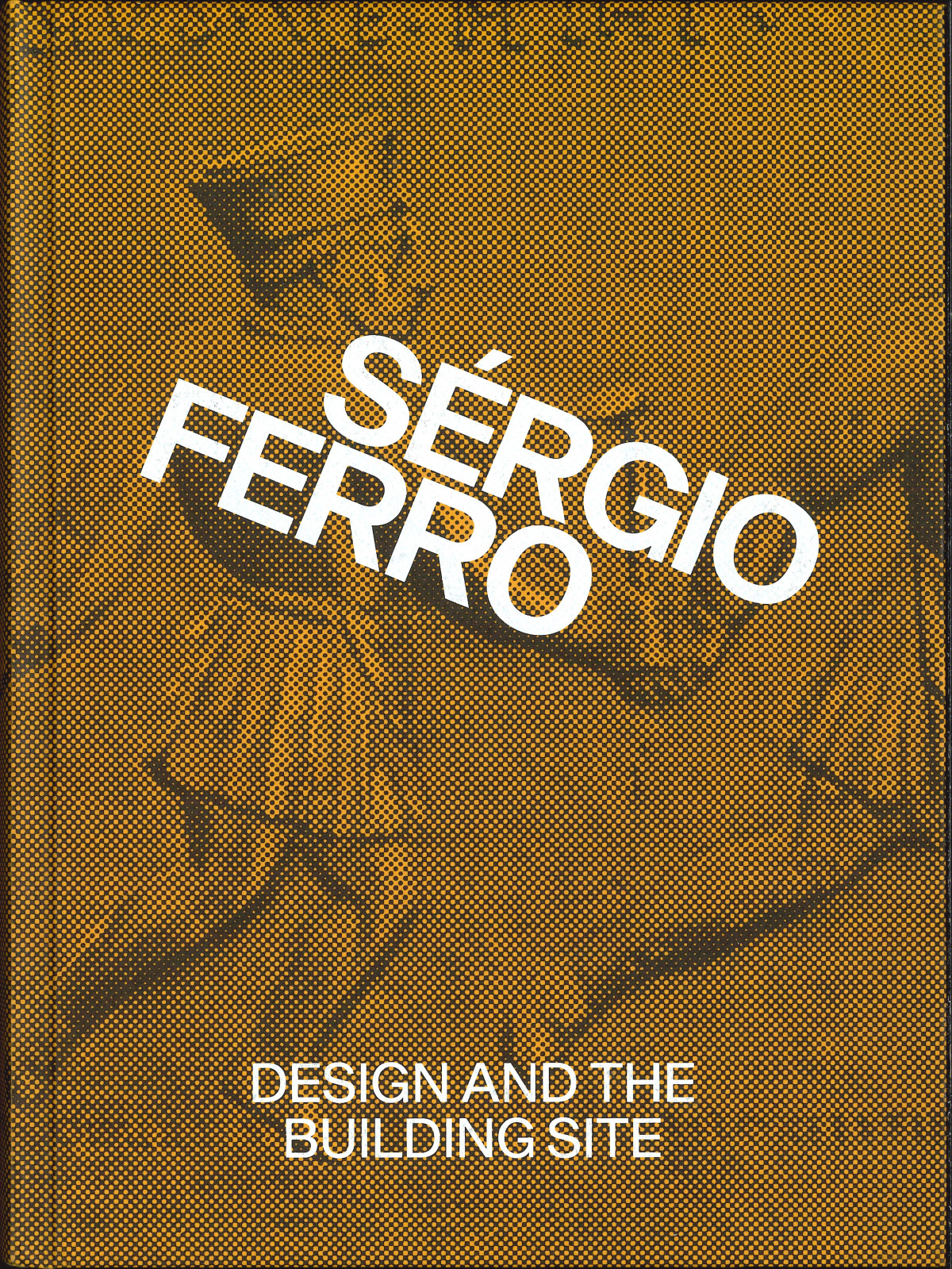
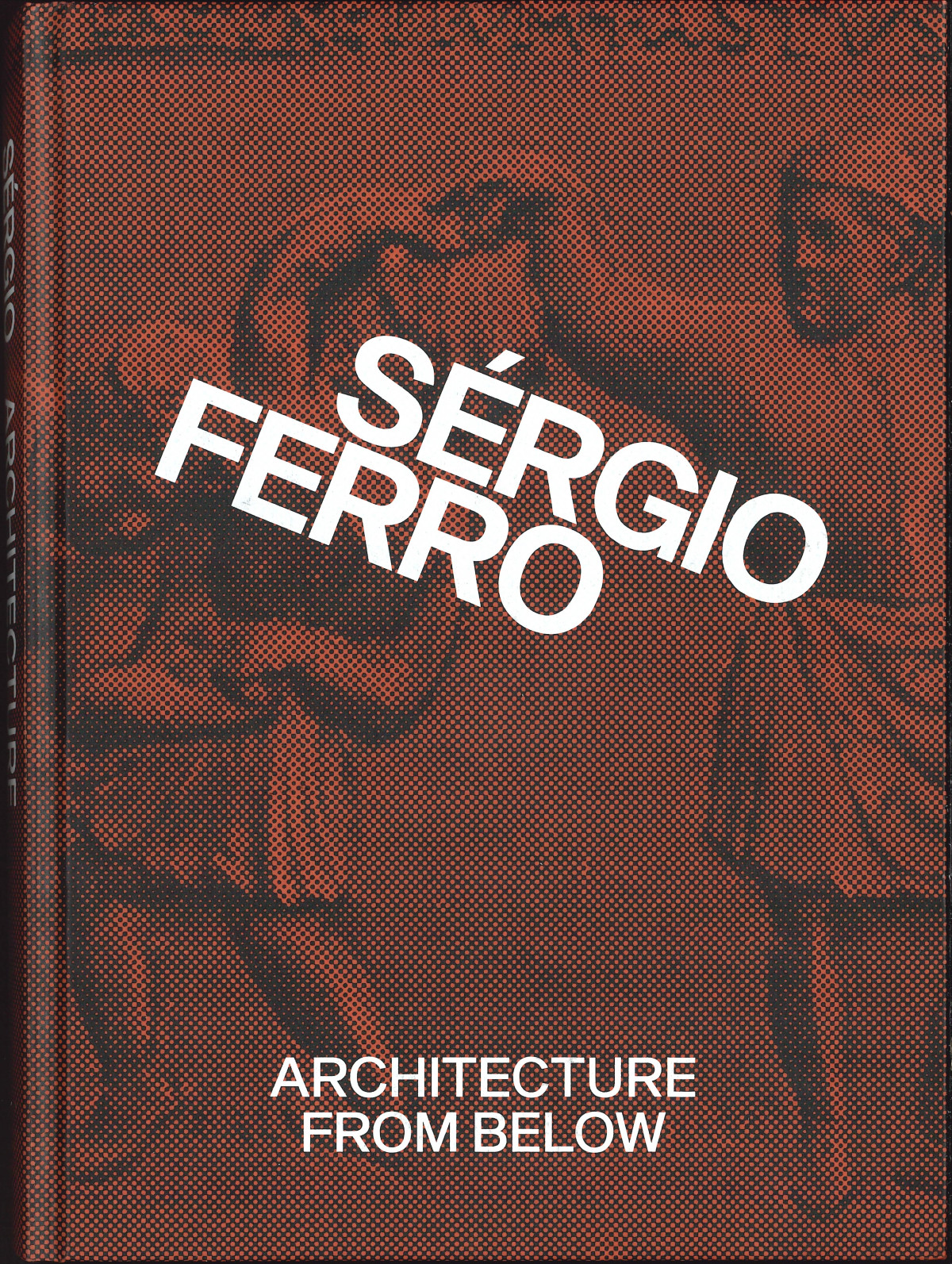
0 reviewsDating from the early 1970s, ‘Design and the Building Site’ is Sérgio Ferro’s most influential theoretical work. Written just after Ferro had arrived in France after fleeing the military dictatorship that took power in Brazil in 1964 and arrested him in 1970 for his involvement in active resistance, the essay reflects much of what he had left behind: encounters with Brasilia’s harsh construction sites; experiences with the collective Arquitetura Nova; work on the editorial committee of the journal Teoria e Prática; and the year Ferro spent in prison, befriending construction workers and reading Freud. The text constitutes a critique of architectural production under capitalism, surveying the political economy of architectural production and its influence on the contemporary practice of architecture. Half a century after its first publication, and in the face of capitalism’s greatest crisis, it has never offered such a pressingly relevant call for action. This edition contextualises and expands on Ferro’s essay with earlier and later texts, clarifying both the contextual and theoretical elements at play in its argument. A preface written by Ferro especially for this first English-language edition recounts his journey from Brasilia’s building sites to the experiments of Arquitetura Nova, as well as a topic he has rarely touched on before: postmodernism. ‘Production of Houses in Brazil’, from 1969, analyses the Brazilian dwellings from popular self-builds to the luxury and mass markets, offering both a historical report and a blueprint for deciphering the social relations of architectural production in other contexts. Finally, ‘Against the Grain’, a recent and previously unpublished essay, interprets architectural modernism as a Hegelian ‘determinate negation’ of nineteenth-century eclecticism. Together, these texts constitute a deeper exploration of the theory introduced in Architecture from Below: An Anthology, and offer a broad range of challenging and vital ideas
…
4.7
25 reviews
5.0
28 reviews
4.6
39 reviews
4.9
19 reviews
5.0
7 reviews
4.8
5 reviews
5.0
23 reviews