Most ebook files are in PDF format, so you can easily read them using various software such as Foxit Reader or directly on the Google Chrome browser.
Some ebook files are released by publishers in other formats such as .awz, .mobi, .epub, .fb2, etc. You may need to install specific software to read these formats on mobile/PC, such as Calibre.
Please read the tutorial at this link. https://ebooknice.com/page/post?id=faq
We offer FREE conversion to the popular formats you request; however, this may take some time. Therefore, right after payment, please email us, and we will try to provide the service as quickly as possible.
For some exceptional file formats or broken links (if any), please refrain from opening any disputes. Instead, email us first, and we will try to assist within a maximum of 6 hours.
EbookNice Team
Status:
Available4.9
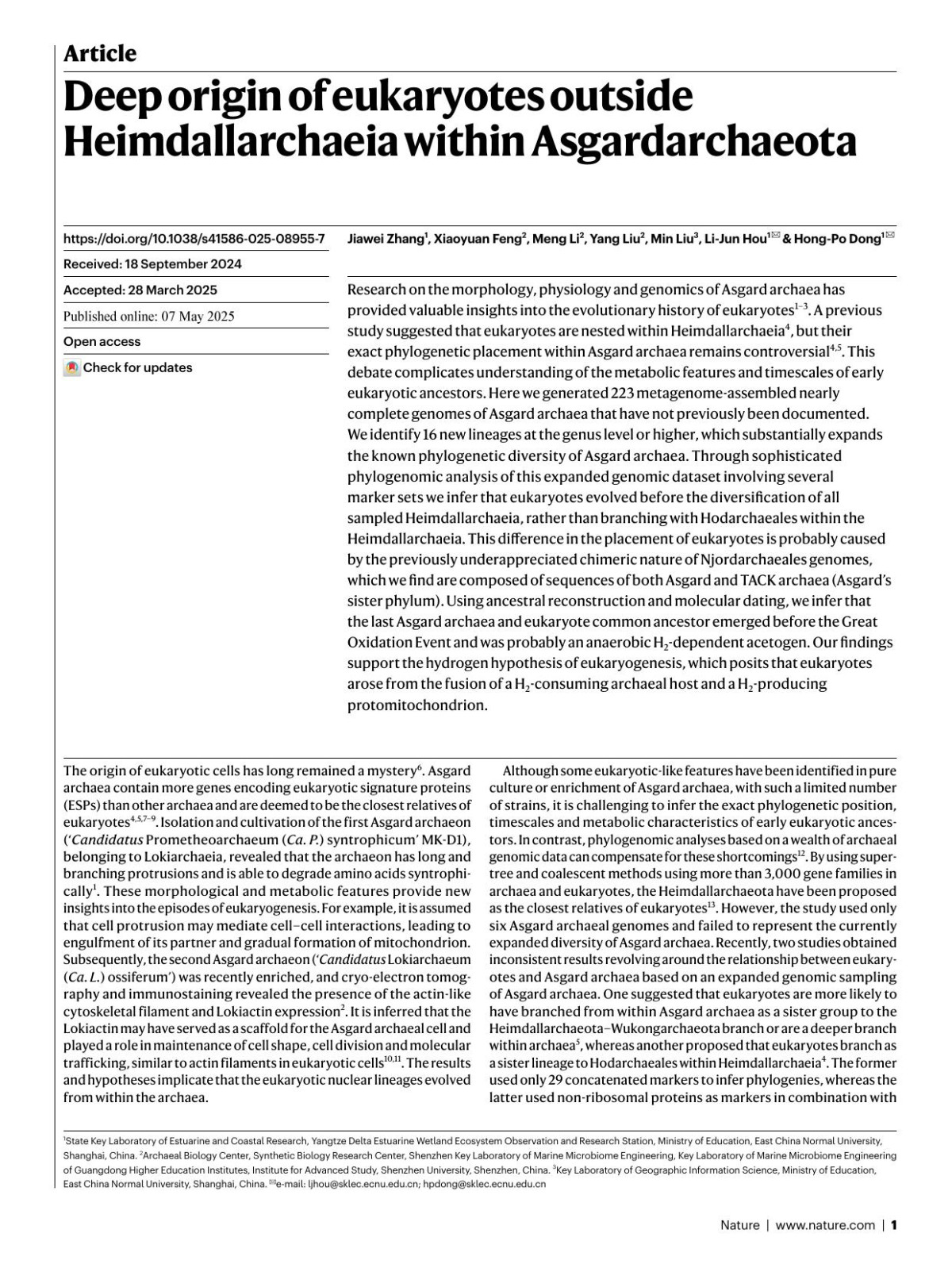
10 reviewsResearch on the morphology, physiology and genomics of Asgard archaea has Published online: xx xx xxxxprovided valuable insights into the evolutionary history of eukaryotes1–3. A previous Open accessstudy suggested that eukaryotes are nested within Heimdallarchaeia4, but their exact phylogenetic placement within Asgard archaea remains controversial4,5. This Check for updatesdebate complicates understanding of the metabolic features and timescales of early eukaryotic ancestors. Here we generated 223 metagenome-assembled nearly complete genomes of Asgard archaea that have not previously been documented. We identify 16 new lineages at the genus level or higher, which substantially expands the known phylogenetic diversity of Asgard archaea. Through sophisticated phylogenomic analysis of this expanded genomic dataset involving several marker sets we infer that eukaryotes evolved before the diversifcation of all sampled Heimdallarchaeia, rather than branching with Hodarchaeales within the Heimdallarchaeia. This diference in the placement of eukaryotes is probably caused by the previously underappreciated chimeric nature of Njordarchaeales genomes, which we fnd are composed of sequences of both Asgard and TACK archaea (Asgard’s sister phylum). Using ancestral reconstruction and molecular dating, we infer that the last Asgard archaea and eukaryote common ancestor emerged before the Great Oxidation Event and was probably an anaerobic H2-dependent acetogen. Our fndings support the hydrogen hypothesis of eukaryogenesis, which posits that eukaryotes arose from the fusion of a H2-consuming archaeal host and a H2-producing protomitochondrion.
4.4
16 reviews
4.8
22 reviews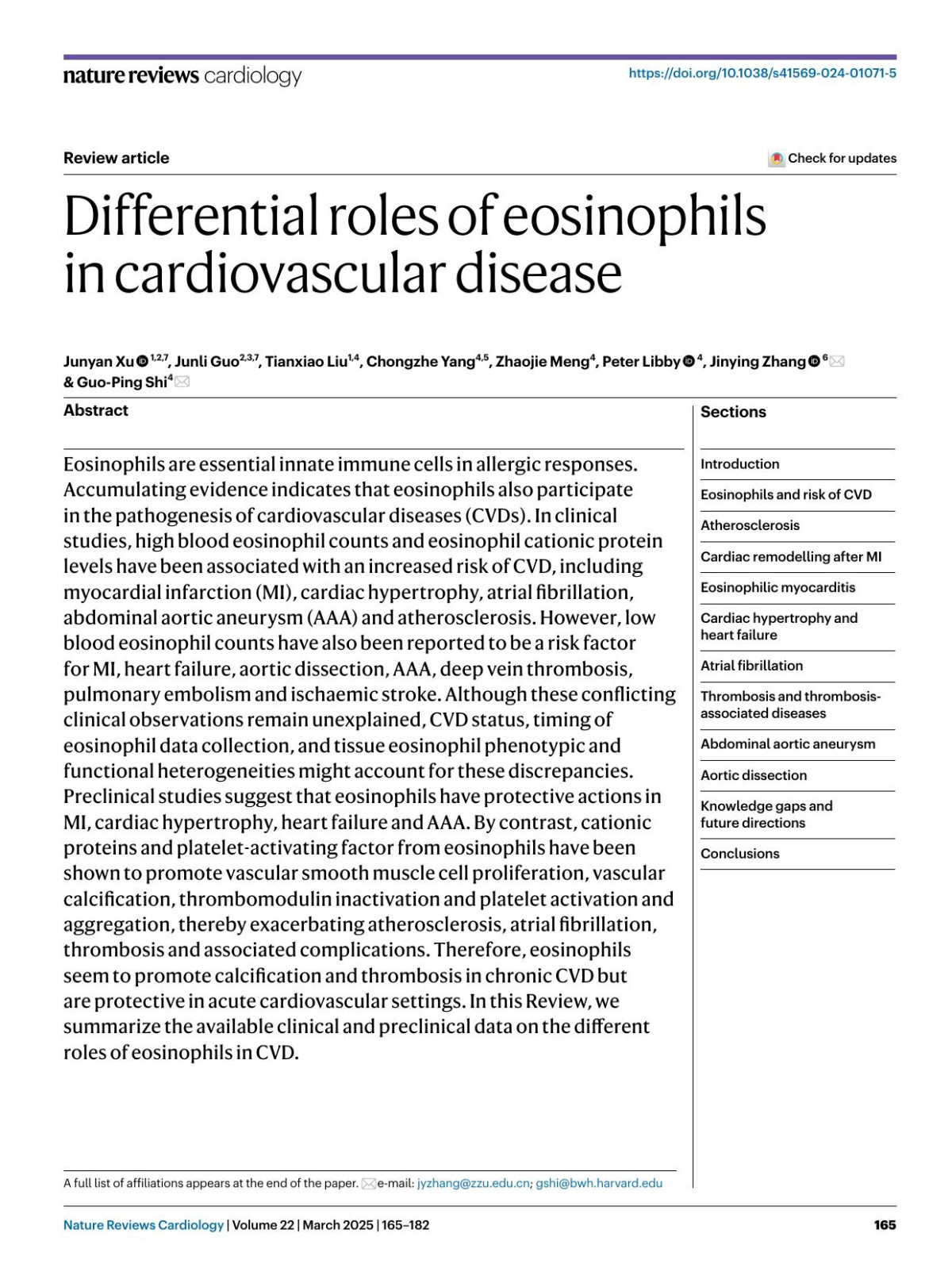
4.3
28 reviews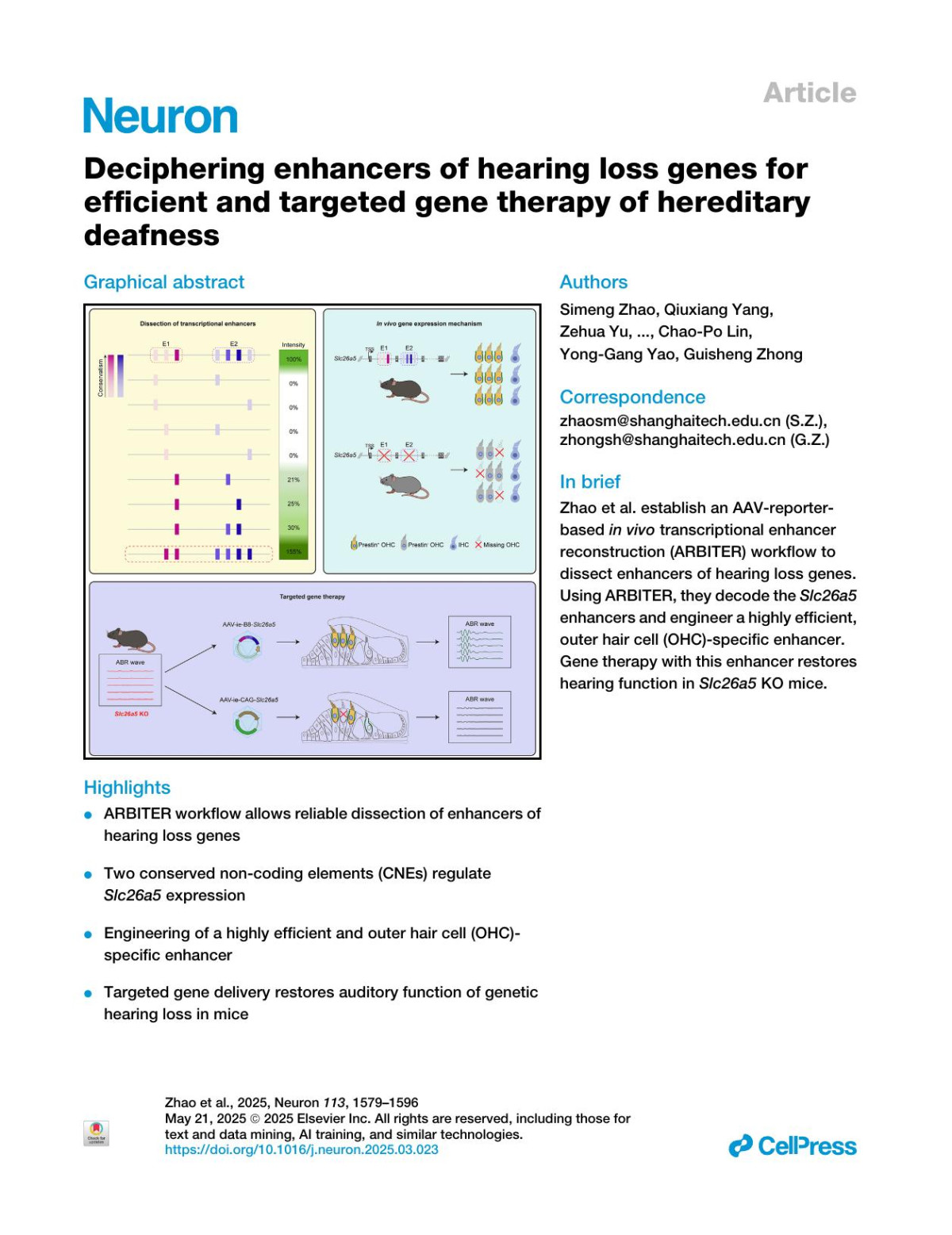
4.6
30 reviews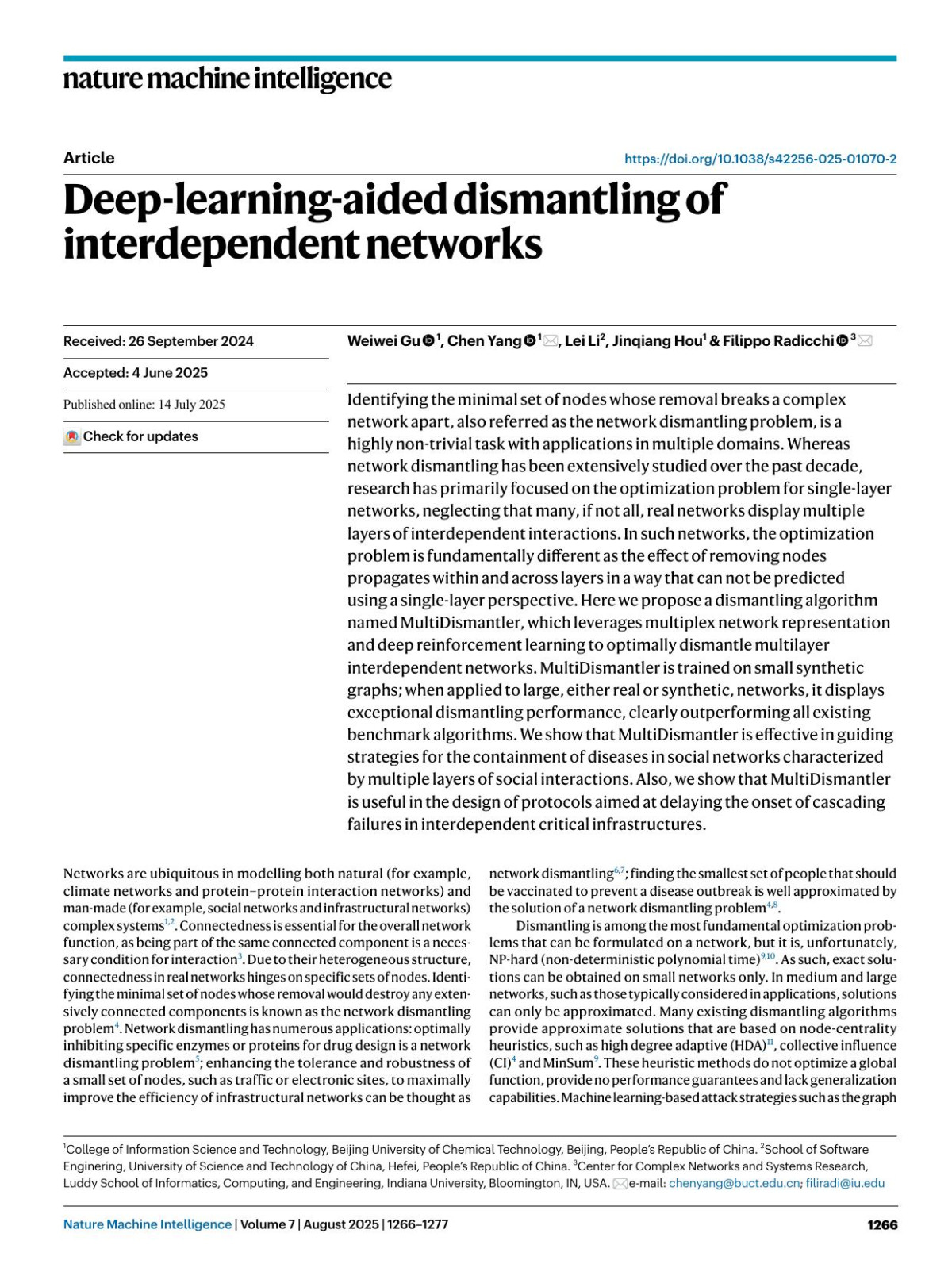
4.9
6 reviews