
Most ebook files are in PDF format, so you can easily read them using various software such as Foxit Reader or directly on the Google Chrome browser.
Some ebook files are released by publishers in other formats such as .awz, .mobi, .epub, .fb2, etc. You may need to install specific software to read these formats on mobile/PC, such as Calibre.
Please read the tutorial at this link. https://ebooknice.com/page/post?id=faq
We offer FREE conversion to the popular formats you request; however, this may take some time. Therefore, right after payment, please email us, and we will try to provide the service as quickly as possible.
For some exceptional file formats or broken links (if any), please refrain from opening any disputes. Instead, email us first, and we will try to assist within a maximum of 6 hours.
EbookNice Team
Status:
Available4.7
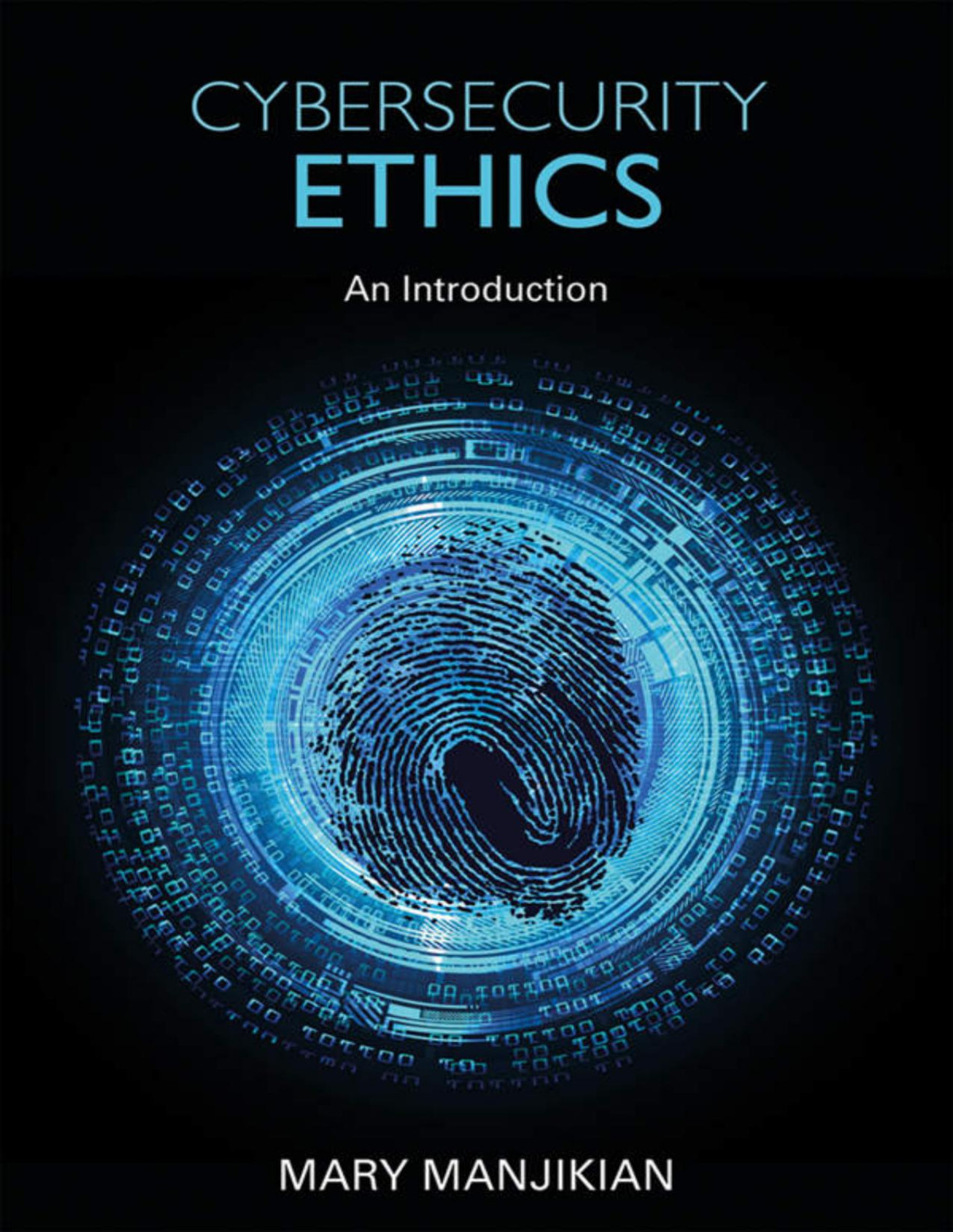
28 reviewsThis new textbook offers an accessible introduction to the topic of cybersecurity ethics.
The book is split into three parts. Part I provides an introduction to the field of ethics, philosophy and philosophy of science, three ethical frameworks – virtue ethics, utilitarian ethics and communitarian ethics – and the notion of ethical hacking. Part II applies these frameworks to particular issues within the field of cybersecurity, including privacy rights, intellectual property and piracy, surveillance, and cyberethics in relation to military affairs. The third part concludes by exploring current codes of ethics used in cybersecurity.
The overall aims of the book are
provide ethical frameworks to aid decision making;
present the key ethical issues in relation to computer security;
highlight the connection between values and beliefs and the professional code of ethics.
The textbook also includes three different features to aid ‘Going Deeper’ provides background information on key individuals and concepts; ‘Critical Issues’ features contemporary case studies; and ‘Applications’ examine specific technologies or practices which raise ethical issues.
The book will be of much interest to students of cybersecurity, cyberethics, hacking, surveillance studies, ethics and information science.
4.6
12 reviews
4.5
38 reviews
4.7
27 reviews


4.4
25 reviews
4.5
31 reviews
4.8
36 reviews
4.3
26 reviews