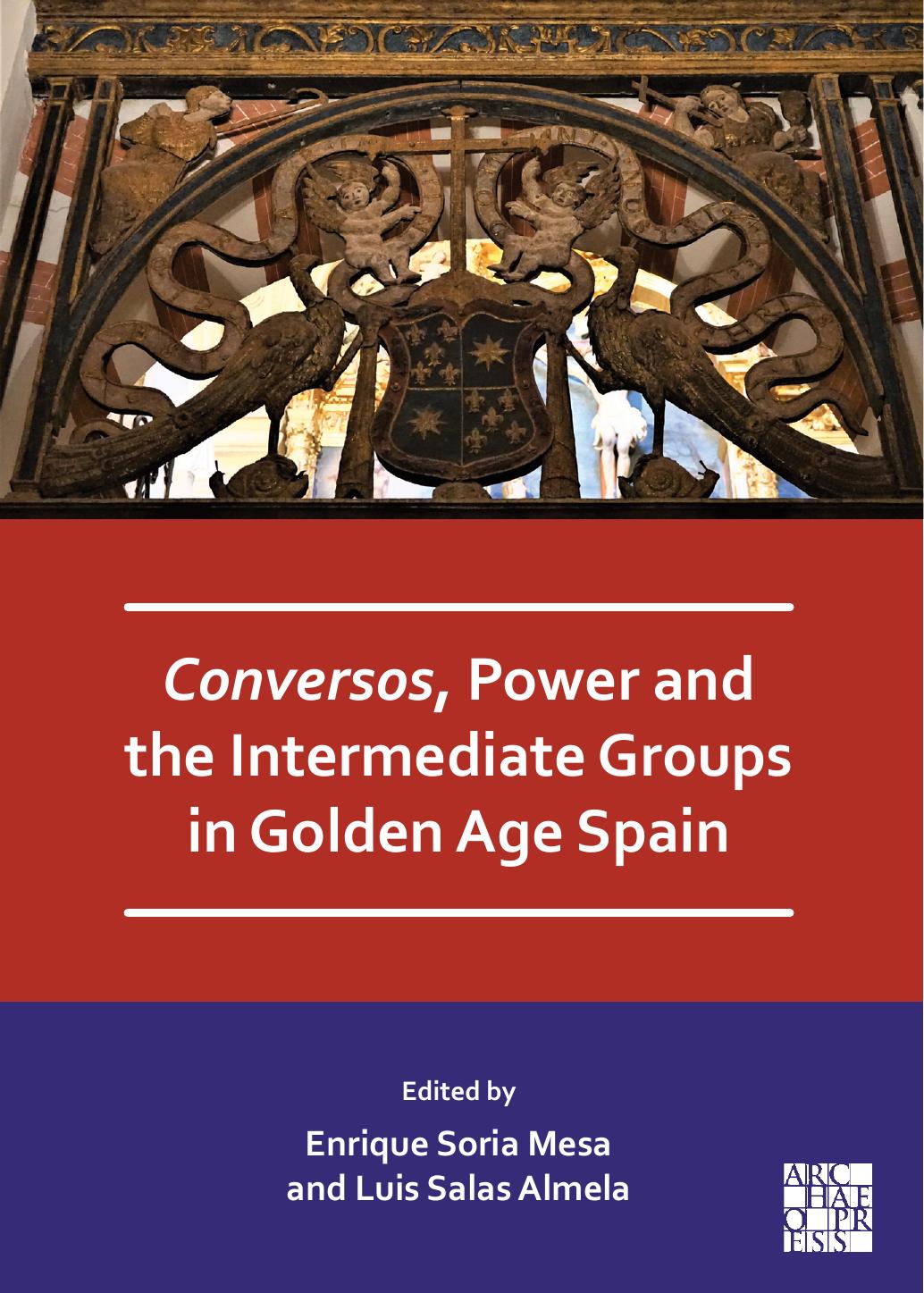
Conversos, Power and the Intermediate Groups in Golden Age Spain by Enrique Soria Mesa, Luis Salas Almela ISBN 9781803279725, 9781803279718, 1803279729, 1803279710 instant download
Recent studies have revealed the existence of great social mobility in Spain in the 16th and 17th centuries, contrary to the previous historiographical consensus. The archival research carried out by various specialists – and above all by Dr. Enrique Soria Mesa and his team – has been decisive in this discovery. Indeed, over the last two decades, the existence of a system based on significant mobility has been established as a new historiographical paradigm. This newly discovered system, however, preserved the appearance of eternity and statism that the prevailing ideological order required to perpetuate itself.
-
Nevertheless, not all this social progression was aimed directly towards the achievement of integration into the nobility. Quite often, under the veil of aristocratic or noble appearances, impressive artisanal and mercantile activities were developed over extensive periods. These activities were in fact closely related to the economic boost that for more than a century converted a large part of Spain – including Andalusia – into a first-rate economic power.
-
This book aims to rescue the history of a powerful intermediate category – formerly referred to as the bourgeoisie – that the contributors have been detecting in their research in national and local archives for more than twenty years. Based on that evidence, they suggest using the term mesocracy, since all these groups occupied intermediate spaces of power while they slowly tried to move upwards in the social ladder, a movement developed by resorting to long-term family strategies that created dynasties of officials that ranged from middle municipal positions (jurados or jurors) to public notaries, also including merchants, artisans, doctors, and lawyers.
*Free conversion of into popular formats such as PDF, DOCX, DOC, AZW, EPUB, and MOBI after payment.