Most ebook files are in PDF format, so you can easily read them using various software such as Foxit Reader or directly on the Google Chrome browser.
Some ebook files are released by publishers in other formats such as .awz, .mobi, .epub, .fb2, etc. You may need to install specific software to read these formats on mobile/PC, such as Calibre.
Please read the tutorial at this link. https://ebooknice.com/page/post?id=faq
We offer FREE conversion to the popular formats you request; however, this may take some time. Therefore, right after payment, please email us, and we will try to provide the service as quickly as possible.
For some exceptional file formats or broken links (if any), please refrain from opening any disputes. Instead, email us first, and we will try to assist within a maximum of 6 hours.
EbookNice Team
Status:
Available0.0
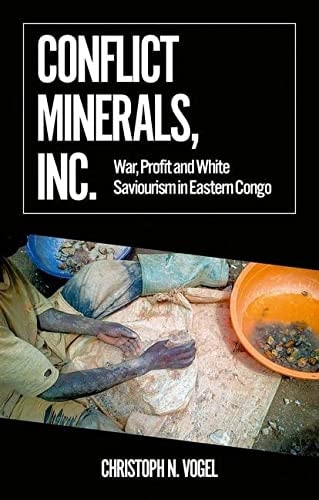
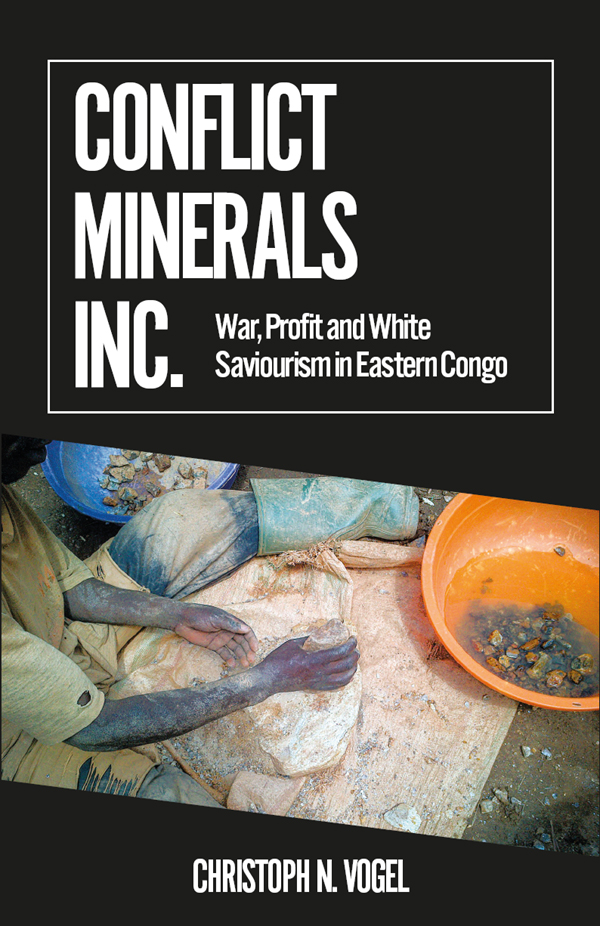
0 reviewsIn the twenty-first century, the relationship between violent conflict and natural resources has become a matter of intense public and academic debate. As a result of fervent activism and international campaigning, the flagship case of ‘conflict minerals’ has captured global attention. This term groups together the artisanal tin, tantalum (coltan), tungsten and gold originating from war zones in Central Africa.
Known as ‘digital minerals’ for their use in high-end technology, their exploitation and trade has been singled out in numerous media and United Nations reports as a key driver of violence, provoking an unprecedented popular outcry and prompting transnational efforts to promote ‘conflict-free’, ethical mining. Focusing on the eastern Democratic Republic of the Congo, Conflict Minerals, Inc. is the first comprehensive analysis of this phenomenon.
Based on meticulous investigation and long-term fieldwork, this book analyses why the campaign against ‘unethical’ mining went awry, and radically disrupted eastern Congo’s political economy. It dissects the evolution of the conflict minerals paradigm, the policy responses it triggered and their impact on artisanal miners. Vogel demonstrates how Western advocacy and policy have relied on colonial frames to drive change, and how White Saviourism perpetuates structural violence and inequality across global supply and value chains.
Christoph N. Vogel is an award-winning investigator of conflicts in Central Africa. He is Research Director of the Insecure Livelihoods project at Ghent University, and has worked with the UN. Christoph holds a PhD from the University of Zurich and helped develop the Congo Research Group at New York University.
4.6
38 reviews
4.9
16 reviews
4.9
40 reviews