
Most ebook files are in PDF format, so you can easily read them using various software such as Foxit Reader or directly on the Google Chrome browser.
Some ebook files are released by publishers in other formats such as .awz, .mobi, .epub, .fb2, etc. You may need to install specific software to read these formats on mobile/PC, such as Calibre.
Please read the tutorial at this link. https://ebooknice.com/page/post?id=faq
We offer FREE conversion to the popular formats you request; however, this may take some time. Therefore, right after payment, please email us, and we will try to provide the service as quickly as possible.
For some exceptional file formats or broken links (if any), please refrain from opening any disputes. Instead, email us first, and we will try to assist within a maximum of 6 hours.
EbookNice Team
Status:
Available4.4
29 reviews
ISBN-10 : 1135148379
ISBN-13 : 9781135148379
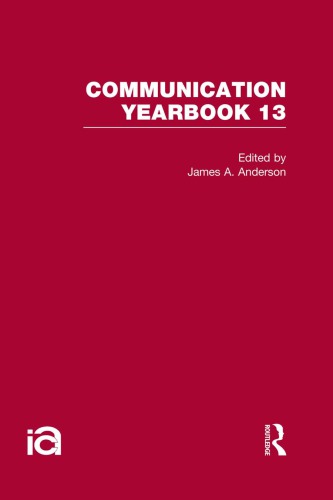
Author: James A. Anderson
First published in 2012. Routledge is an imprint of Taylor & Francis, an informa company.
Section 1: Organizations: Criticism And Culture
1 Power, Discourse, and the Workplace: Reclaiming the Critical Tradition
Exploitation and Coercion
Ideology and Manufactured Consent
Toward an Expanded View
The Rise of Managerial Capitalism
Expansion of the Corporate Form
The Career Manager
The Separation of Ownership and Management
The Corporation as an End in Itself
Interests and Interest Representation
Organizational Power and Interests
Discourse, Meaning, and Power
A Final Glance
References
Commentaries
Discourse, Ideology, and Organizational Control
Organizations as Political Entities
The Nature of Modem Organizations
Diversity in Modern Organizations
Power in Organizations
Decision Making in Organizations
Representation of Interests in Organizations
The Interrelationships among Ideology, Power, and Communication
Linking Ideology and Discourse
Conclusion
References
Absence as Workplace Control: A Critical Inquiry
Teams, Absence, and Ideology
Interpellation
Legitimation
Dialectic of Control
Summary
Notes
References
2 A Theater of Motives and the “Meaningful Orders of Persons and Things”
Discovering Meaningful Orders of Persons and Things
Orientation to the Context of B-BCSC Culture
Individuation and Group Identities
Conveying the Culture, with Verisimilitude, to the Reader
What Meaningful Orders of Persons and Things Suggested to Me about the Evolution of Culture at B-BCSC
Theatrical Frameworks for Cultural Depictions of Organizational Personalities
The Use of Signs and Symbols as Interpretive Bases for Character, Interests, and Flaws
How Grammar and Vocabulary Distinguish among Classes of Employees, Determine Degrees of Cultural Fit, and Induce an Observer to See Connections among Persons and Things and Culture
Note
References
Commentaries
Rhetoric and the Display of Organizational Ethnographies
A Voice of Advocacy
A Social Scientist'S Voice
A Critical Theorist'S Voice
Concluding Thoughts
Notes
References
A View from Within: An Insider's Reflection on the Effect of Relocation
From Sparkman Drive to Discovery Drive: “I Don'T Think We'Re in Kansas Anymore, Toto”
From Light Comedy to Drama: More than the Stage has Changed
Two Years of Change, Two Years of Discovery
References
3 Managing Organizational Culture: Dreams and Possibilities
Different Interests in the Concept of Culture and Related Expectations
The Cultural Anthropologist's Tradition
The Organization Theorist's Perspective
The Practitioner's Interest in Culture
A Comparison of the Context of Culture Across the Three Disciplines
Managing Culture: A Semantic Problem
Organizational Culture as a Material Variable
Organizations as Cultures
Organizational Culture as Dynamic Construct
Some Conclusions about the Possibilities of Managing Organizational Culture
Implications of a Culture-Aware Management for the Conceptualization and Practice of Management
Implications for the Conceptualization of Management
Implications for the Practice of Culture-Aware Management
Some Final Remarks
Notes
References
Commentaries
Trade-Offs in Managing Organizational Culture
Complexity Versus Simplicity
Observation Versus Control
Conclusion
References
More Thought Provoking Than a New Paradigm
Phenomenology/Existential Bias
Multiplicity of Subcultures
Social Creation of Organizarions
Change Process
Depth Measurement
Future Directions
References
4 Defining Stories in Organizations: Characteristics and Functions
Identifying Stories in Organizations
Exemplar Stories
Characterizing Organizational Stories
A Sense of Temporality
Story Grammars
Relevance for the Membership
A Ring of Truth
Functions of Stories in Organizations
Organizational Stories and Uncertainty Reduction
Stories, Uncertainty Reduction, and Organizational Socialization
Organizational Stories and the Management of Meaning
Organizational Stories and Bonding and Identification
Implications for Story Studies
The Circumstances Surrounding a Story's Telling
Applications of Organizational Stories
Summary
Notes
References
Commentaries
Stories as Repositories of Organizational Intelligence: Implications for Organizational Development
The Information Value of Organizational Stories
Stories and Organizational Intelligence
Stories and Organizational Development
Implications for Organizational Development
Study 1: Analysis of Stories by Organization Members
Analysis
Study 2: Analysis of Stories by Environmental Representatives
Analysis
Conclusion
References
Symbolic Emancipation in the Organization: A Case of Shifting Power
The Unique Relationship between Power and Rhetoric in the Organization
Contemporary Functions of Organizational Rhetoric
Management as a Rhetorical Arena
The Rhetorical Activity of the Work Force
The Rhetorical Performance of Organizational Stories
Notes
References
Section 2: Interpersonal Conversations, Arguments, Embarrassments, and Negotiations
5 Orienting to the Phenomenon
Locating and Recognizing Phenomena
Toward a Reflexivity of Coding
Coding as Achievement
Coding and Transcribing
Working through a Transcribed Segment
Closing and Opening
Initiating the “Complaint”
Dismissing the Initial “Complaint”
Orienting to the “Complaint's” Dismissal
Back to the Motion
Occasioning Identities in the Talk
Methodological Issues
Conclusion
Appendix
References
Commentaries
Describing Speech Phenomena
Being Empirical
Respecifying Coding
Conclusion
References
Communication Phenomena as Solutions to Interactional Problems
The Status of Conversational Phenomena as Communication Phenomena
Two “Orders” of Communication Phenomenon
How might We Begin to Identify a Communication Phenomenon?
Practices of Conversation
Practices in Conversation
Conclusions
References
6 Perspectives on Group Argument: A Critical Review of Persuasive Arguments Theory and an Alternative Structurational View
Overview
Cognitive-Informational Perspective on Argument
Hample's Cognitive View
Social-Interactional Approach to Argument
Jackson and Jacobs's Discourse Analytic Approach
Summary and Comparison of Cl And Si Perspectives
Conception of Argument
Role of Interaction
Level of Analysis
Persuasive Arguments Theory
PAT Assumptions and Theoretical Commitments
Critique of Persuasive Arguments Theory
PAT Focus on Noninteractional Predictor Factors
Individual Level of Analysis
Summary
Structurational Perspective on Group Argument
Central Elements of Structurational Perspective
Argument at Social Practice
Structuration as an Integrative Framework
Conclusion
References
Commentaries
Group Argument, Social Pressure, and the Making of Group Decisions
Informational and Normative Influence
Group Argument
Specifying Argument Effects during Discussion
Conclusion
References
Exploiting the Predictive Potential of Structuration Theory
Critique of Persuasive Arguments Theory
The Structurational Perspective
References
7 Remedial Processes in Embarrassing Predicaments
Conceptualization of Embarrassing Predicaments
Typologies of Embarrassing Events
Participation of Others During an Embarrassing Predicament
Coping with Embarrassment: Remedial Face Work
Remedial Strategies used by Those Caught in Predicaments
Remedial Strategies used by Embarrassed Persons
Sequencing of Remedial Strategies by Embarrassed Persons
Responses of Others to an Embarrassing Predicament
Sequencing of Remedial Strategies Used by Others
Responses of Others That Increase Embarrassment
Selection of Remedial Strategies
Summary of Previous Research
Future Directions: Toward a Taxonomy
Actor Responsible
Observer Responsible
Future Directions: Remedial Strategies and Beyond
Notes
References
Commentaries
Coping with Embarrassment and Chronic Blushing
Toward a Conceptualization of Embarrassment
Strategies for Coping with Embarrassment
Cross-Cultural Aspects of Coping with Embarrassment
Verbal Coping Strategies
Observers' Verbal Reactions
Coping with Chronic Blushing
Overview
References
The Use of a Communication Boundary Perspective to Contextualize Embarrassment Research
The Logic
Communication Boundary Perspective: A Thesis Explaining Embarrassment
Predicaments as Violations of Expectations
Reconstruction: Embarrassment as a Change Mechanism
Conclusion
References
8 Interaction Goals in Negotiation
Conception of Interaction Goals
Interaction Goals and Planning
Proactive Versus Retrospective Goals
Dimensions of Interaction Goals
Instrumental Goals
Relational Goals
Identity Goals
The Dynamic Nature of Interaction Goals
The Conflicting Nature of Interaction Goals
Types of Goal Conflict
Rationale for Goal Conflict
Implications and Future Directions
Methods for Assessing Interaction Goals
Bargaining Context, Goals, and Outcomes
Expert and Novice Negotiators
Conflict Escalation and Deescalation
Conclusion
Notes
References
Commentaries
The Structure of Interaction Goals
Interaction Goals: A Reaffirmation
Dimensions of Interaction Goals: A Critique
Ambiguities
Analysis of Examples
An Alternative Perspective on the Structure of Goals
References
Interaction Goals in Negotiation: A Critique
The Interactional Perspective
Goals from a Generalized Subject-Meaning Perspective
Goals from the Restricted Subject-Meaning Perspective
Concern I: The Cognitive Approach's Limitations
Broadening the Focus
Exploring Reactive Phenomena
Concern II: Accounting for a Full Range of Negotiation Contexts
Types of Negotiation Contexts
Contextual Applicability
Concern III: The Conceptual Integration of Goal Dimensions
The Rationale for Integration
A Shift from Goals
Conclusions
References
Section 3: Mediated Communication: Information, Industry, and Consumption
9 The Trade Winds Change: Japan's Shift from an Information Importer to an Information Exporter, 1965-1985
Flows of News Reporting
Analysis
Flows of Popular Culture
Motion Pictures
Popular Music
Analysis
The Shifting Information Flow and Japanese Cultural Identity
Theories That May Explain The Japanese Experience
Media Imperialism and Dependency Theories
International Flows of Information as a Result of Free Competition in Free Markets
International Flows of Information as a Result of Political and Economic Competition
Conclusions
Notes
References
Commentaries
The Competitive Theory of International Communication
Theoretical Perspectives
Empirical Findings and Policy Implications
Conclusion
Notes
References
News Media: Frontiers in International Relations
References
10 Media Industries, Media Consequences: Rethinking Mass Communication
Progress, Problems, and Potential
Questioning Mass Communication
Roots of the Concept
A Mass Communication Perspective
Organizations, Power, and Messages
Interdependencies
Exploring Process and Consequence
Two Major Points
A Case Example
Theoretical and Methodological Considerations
Doctor Shows and the Public Agenda
Conclusion
Notes
References
Commentaries
Organizational Communication, Media Industries, and Mass Communication
Organizational Communication Culture
Organizations and their Environments
Creating Industrial Families
Media Consequences
Conclusion
References
Research from Start to Finish
Definitional and Theoretical Issues
Methodological and Research Issues
Start-to-Finish Research
Conclusions
Notes
References
11 Textual Status, the Stigmatized Self, and Media Consumption
Text and Context
Media Consumption
The Stigmatized Self
Conclusion
Note
References
Commentaries
Finding New Models for Mass Communication Research: Notes on Surviving Ferment in the Field
A Cultural Analysis Paradigm
Goffman as a Cultural Analyst
Stigmatization of Soap Opera Viewers
Toward Development of a Cultural Analysis Paradigm
Creation of Social Identity Through Media Consumption
Developing a Perspective on Public Culture
References
Toward an Integration of Diverse Communication Contexts
Initial Implications
Critique and Assessment
The “How” of Communication
The Focus on Stigmatized Identity
Formulations, Transformations, and Invocations
Conclusions
communication yearbook 3
dial yearbook
dcp yearbook
dms yearbook 2020
dchs yearbooks
Tags: Communication, Yearbook, James Anderson,
4.7
41 reviews

4.7
39 reviews

4.6
24 reviews
4.7
14 reviews
5.0
31 reviews
4.6
18 reviews