Most ebook files are in PDF format, so you can easily read them using various software such as Foxit Reader or directly on the Google Chrome browser.
Some ebook files are released by publishers in other formats such as .awz, .mobi, .epub, .fb2, etc. You may need to install specific software to read these formats on mobile/PC, such as Calibre.
Please read the tutorial at this link. https://ebooknice.com/page/post?id=faq
We offer FREE conversion to the popular formats you request; however, this may take some time. Therefore, right after payment, please email us, and we will try to provide the service as quickly as possible.
For some exceptional file formats or broken links (if any), please refrain from opening any disputes. Instead, email us first, and we will try to assist within a maximum of 6 hours.
EbookNice Team
Status:
Available0.0
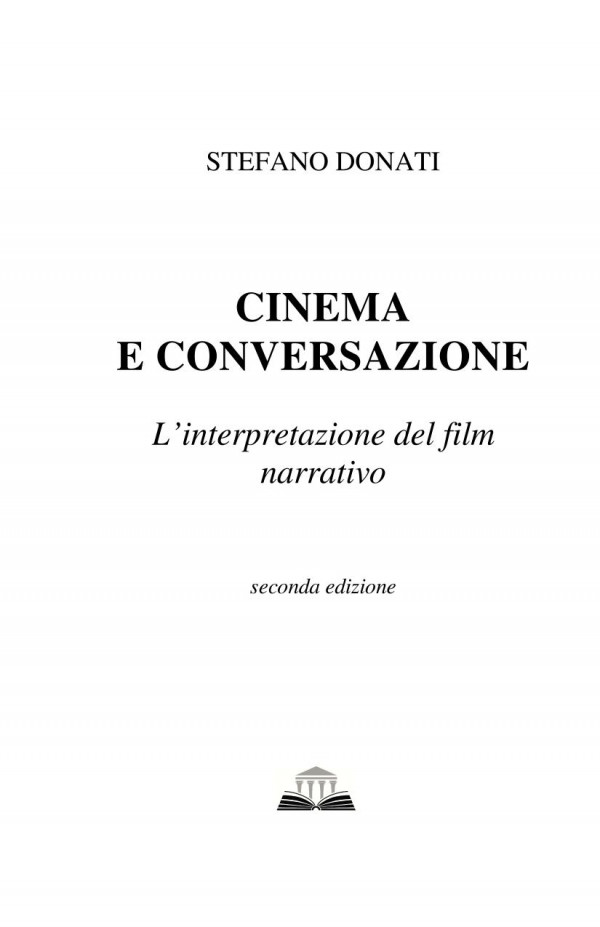
0 reviewsIn quanto strumento di comunicazione intenzionale tra un
emittente e un ricevente ideali (chi fa un film e chi lo vede), il cinema
narrativo si può considerare un linguaggio. Ma se è così, come funziona questo
linguaggio? Si basa forse - come alcuni autori hanno sostenuto - su una sorta
di “lingua del cinema”, cioè, su un sistema codificato di segni, sorretto da
convenzioni, e fornito di una grammatica?
La tesi principale del libro è che il cinema narrativo non
abbia bisogno né di una semantica, né di una sintassi, ma solo di una
pragmatica: come quella abbozzata da Paul Grice nel suo articolo “Logic and
conversation” (1967). Ciò che nelle lingue naturali è affidato alla sintassi e
alla semantica è demandato, nel cinema, alla semplice duplicazione d’immagini e
suoni. Il film narrativo è un fenomeno semiotico non in quanto fenomeno
sintattico/semantico, ma in quanto fenomeno pragmatico.
5.0
21 reviews
5.0
18 reviews
4.4
17 reviews

4.8
15 reviews