
Most ebook files are in PDF format, so you can easily read them using various software such as Foxit Reader or directly on the Google Chrome browser.
Some ebook files are released by publishers in other formats such as .awz, .mobi, .epub, .fb2, etc. You may need to install specific software to read these formats on mobile/PC, such as Calibre.
Please read the tutorial at this link. https://ebooknice.com/page/post?id=faq
We offer FREE conversion to the popular formats you request; however, this may take some time. Therefore, right after payment, please email us, and we will try to provide the service as quickly as possible.
For some exceptional file formats or broken links (if any), please refrain from opening any disputes. Instead, email us first, and we will try to assist within a maximum of 6 hours.
EbookNice Team
Status:
Available5.0
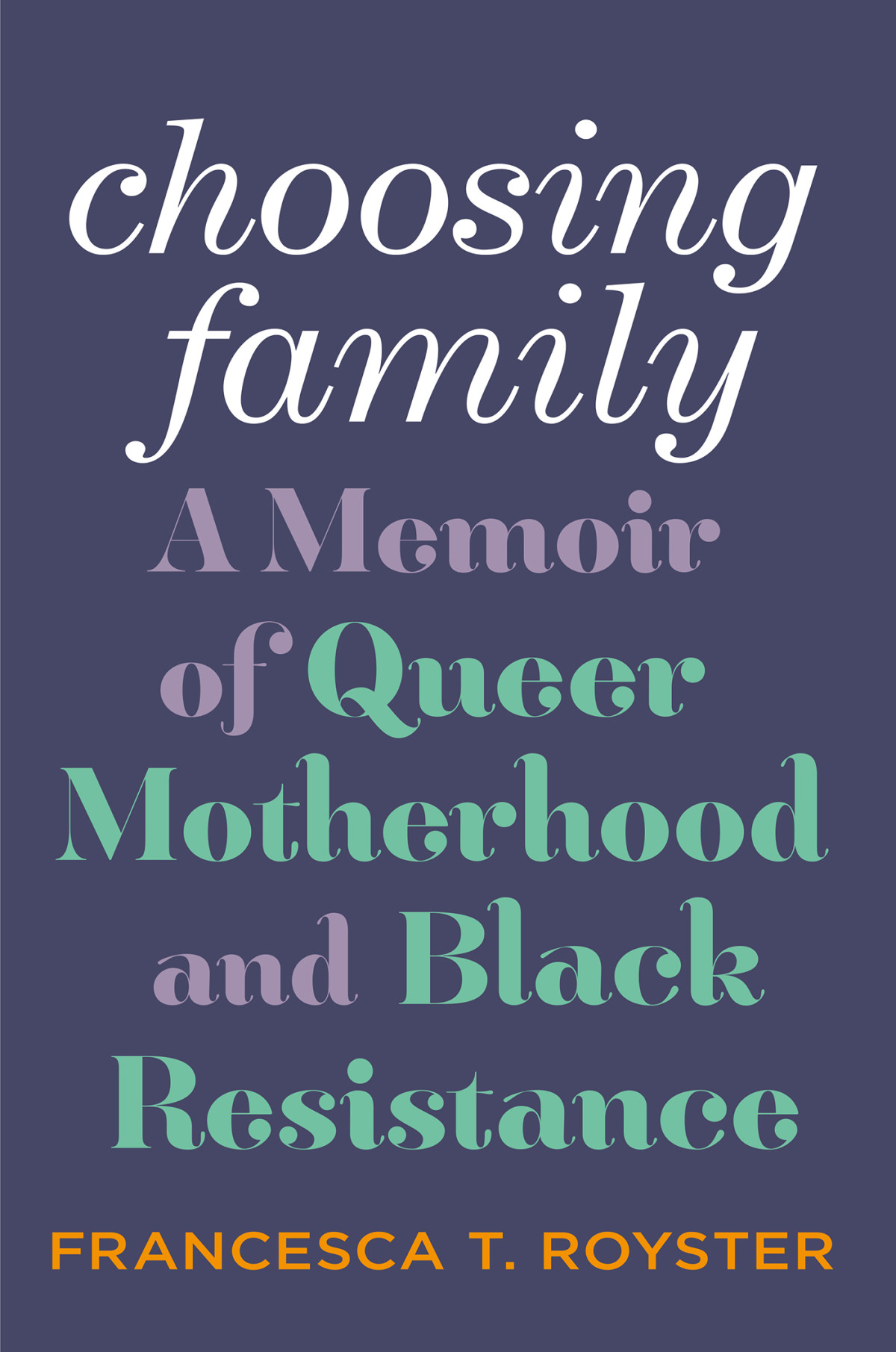
7 reviewsA brilliant literary memoir of chosen family and chosen heritage, told against the backdrop of Chicago’s North and South Sides As a multiracial household in Chicago’s North Side community of Rogers Park, race is at the core of Francesca T. Royster and her family's world, influencing everyday acts of parenting and the conception of what family truly means. Like Maggie Nelson’s The Argonauts , this lyrical and affecting memoir focuses on a unit of the author; her wife Annie, who's white; and Cecilia, the Black daughter they adopt as a couple in their forties and fifties. Choosing Family chronicles this journey to motherhood while examining the messiness and complexity of adoption and parenthood from a Black, queer, and feminist perspective. Royster also explores her memories of the matriarchs of her childhood and the homes these women created in Chicago’s South Side—itself a dynamic character in the memoir—where “family” was fluid, inclusive, and not necessarily defined by marriage or other socially recognized contracts.
Calling upon the work of some of her favorite queer thinkers, including José Esteban Muñoz and Audre Lorde, Royster interweaves her experiences and memories with queer and gender theory to argue that many Black families, certainly her own, have historically had a “queer” attitude toward configurations that sit outside the white normative experience and are the richer for their flexibility and generosity of spirit. A powerful, genre-bending memoir of family, identity, and acceptance, Choosing Family , ultimately, is about joy—about claiming the joy that society did not intend to assign to you, or to those like you.
4.7
23 reviews
4.7
26 reviews
4.8
33 reviews
4.5
14 reviews
4.9
22 reviews
4.6
37 reviews
4.6
5 reviews
4.4
5 reviews