
Most ebook files are in PDF format, so you can easily read them using various software such as Foxit Reader or directly on the Google Chrome browser.
Some ebook files are released by publishers in other formats such as .awz, .mobi, .epub, .fb2, etc. You may need to install specific software to read these formats on mobile/PC, such as Calibre.
Please read the tutorial at this link. https://ebooknice.com/page/post?id=faq
We offer FREE conversion to the popular formats you request; however, this may take some time. Therefore, right after payment, please email us, and we will try to provide the service as quickly as possible.
For some exceptional file formats or broken links (if any), please refrain from opening any disputes. Instead, email us first, and we will try to assist within a maximum of 6 hours.
EbookNice Team

Status:
Available4.6
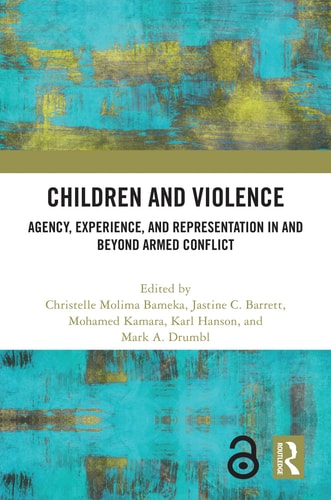
36 reviewsThis multi- disciplinary volume provides an innovative approach to children and violence, looking beyond the existing literature that focuses on child soldiers in the 'Global South.'
Harnessing expert contributions from over a dozen countries, the book examines the relationship between children and violence, with a focus on children ensnared in military conflict, embroiled in criminal gangs, and enmeshed in political activism. It analyses how children join fights, how they fight, and what happens to them after fighting officially ends. It addresses cutting- edge issues such as cyberwars, self-defence, intergenerational trauma, gender fluidity, racism and state surveillance. Throughout, the book underscores the need to respect the agency and dignity of children and youth, to build cultures of juvenile rights, and to think critically of the place of the child amid global power politics and decolonisation. Through accessible writing, and the provision of considerable new...
This multi-disciplinary volume provides an innovative approach to children and violence, looking beyond the existing literature that focuses on child soldiers in the ‘Global South’.Harnessing expert contributions from over a dozen countries, the book examines the relationship between children and violence, with a focus on children ensnared in military conflict, embroiled in criminal gangs, and enmeshed in political activism. It analyses how children join fights, how they fight, and what happens to them after fighting officially ends. It addresses cutting-edge issues such as cyberwars, self-defence, intergenerational trauma, gender fluidity, racism, and state surveillance. Throughout, the book underscores the need to respect the agency and dignity of children and youth, to build cultures of juvenile rights, and to think critically of the place of the child amid global power politics and decolonialization. Through accessible writing, and the provision of considerable new data, this book supports advocac
4.5
30 reviews

4.3
40 reviews
4.9
8 reviews
4.8
14 reviews
4.6
12 reviews