
Most ebook files are in PDF format, so you can easily read them using various software such as Foxit Reader or directly on the Google Chrome browser.
Some ebook files are released by publishers in other formats such as .awz, .mobi, .epub, .fb2, etc. You may need to install specific software to read these formats on mobile/PC, such as Calibre.
Please read the tutorial at this link. https://ebooknice.com/page/post?id=faq
We offer FREE conversion to the popular formats you request; however, this may take some time. Therefore, right after payment, please email us, and we will try to provide the service as quickly as possible.
For some exceptional file formats or broken links (if any), please refrain from opening any disputes. Instead, email us first, and we will try to assist within a maximum of 6 hours.
EbookNice Team
Status:
Available4.5
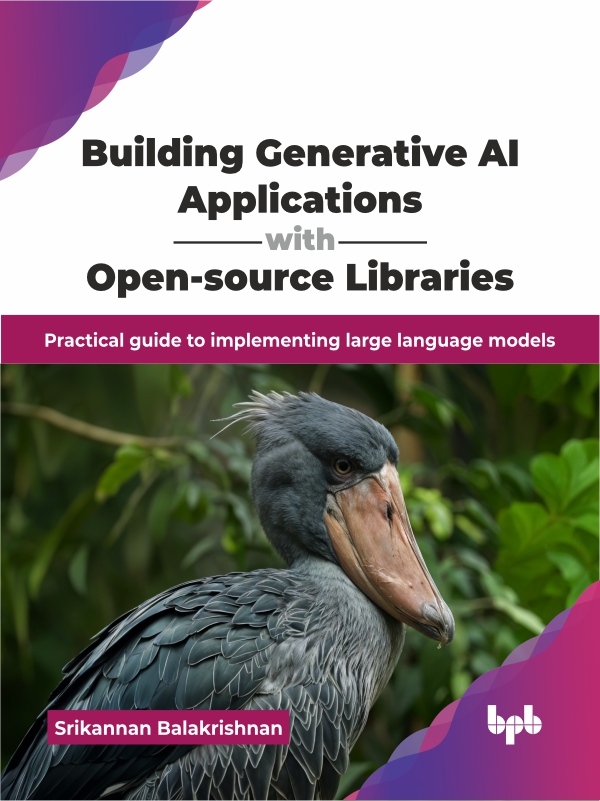
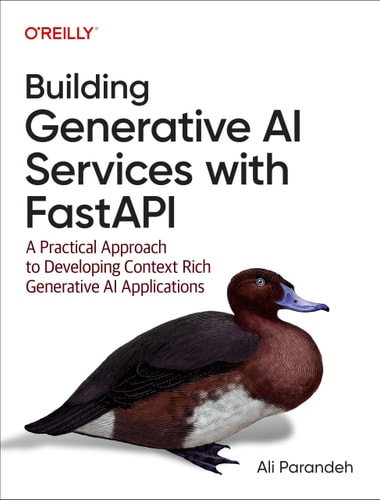
29 reviewsGenerative AI is revolutionizing how we interact with technology, empowering us to create everything from compelling text to intricate code. This book is your practical guide to harnessing the power of open-source libraries, enabling you to build cutting-edge generative AI applications without needing extensive prior experience.
In this book, you will journey from foundational concepts like natural language processing and transformers to the practical implementation of large language models. Learn to customize foundational models for specific industries, master text embeddings, and vector databases for efficient information retrieval, and build robust applications using LangChain. Explore open-source models like Llama and Falcon and leverage Hugging Face for seamless implementation. Discover how to deploy scalable AI solutions in the cloud while also understanding crucial aspects of data privacy and ethical AI usage.
By the end of this book, you will be equipped with technical skills and practical knowledge, enabling you to confidently develop and deploy your own generative AI applications, leveraging the power of open-source tools to innovate and create.
WHAT YOU WILL LEARN:
● Building AI applications using LangChain and integrating RAG.
● Implementing large language models like Llama and Falcon.
● Utilizing Hugging Face for efficient model deployment.
● Developing scalable AI applications in cloud environments.
● Addressing ethical considerations and data privacy in AI.
● Practical application of vector databases for information retrieval.
4.6
21 reviews
4.5
16 reviews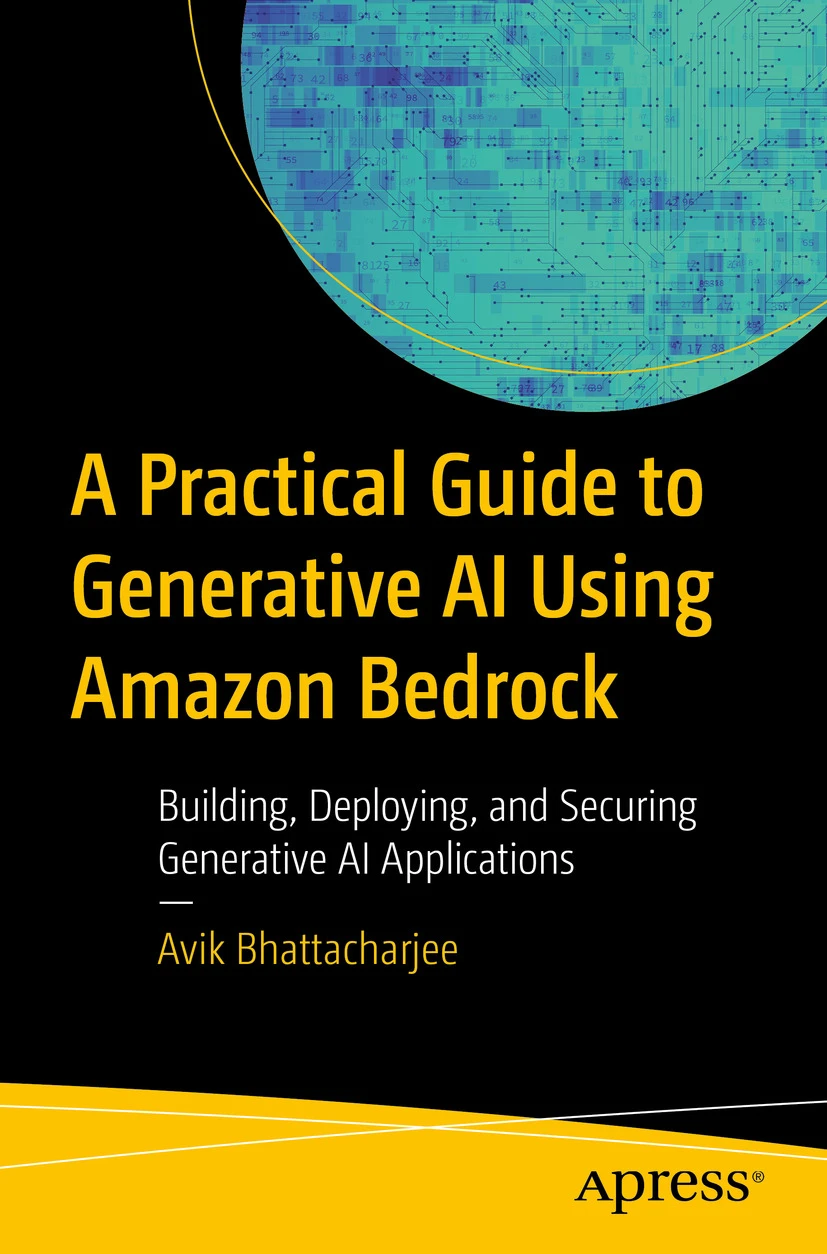
4.8
39 reviews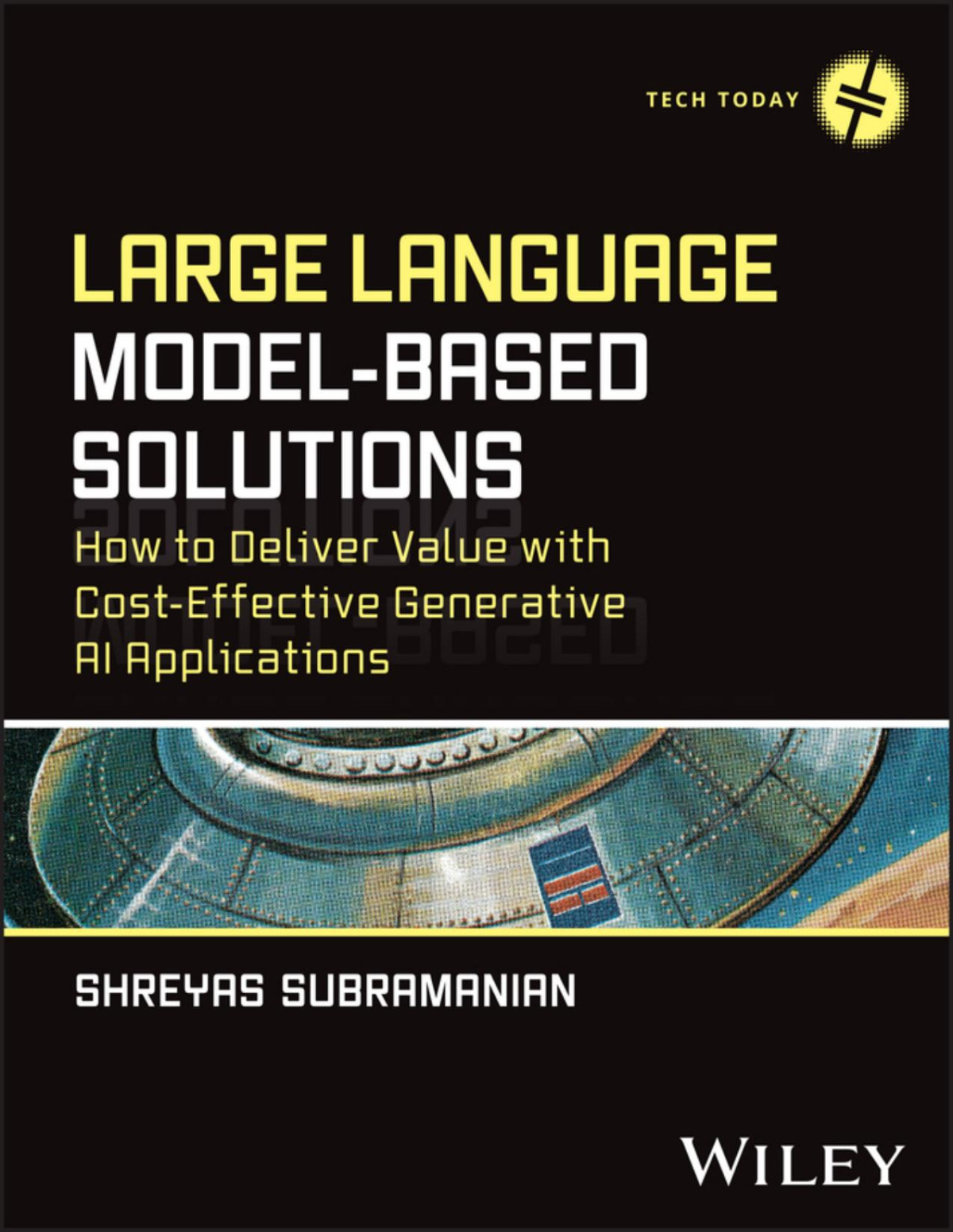
5.0
17 reviews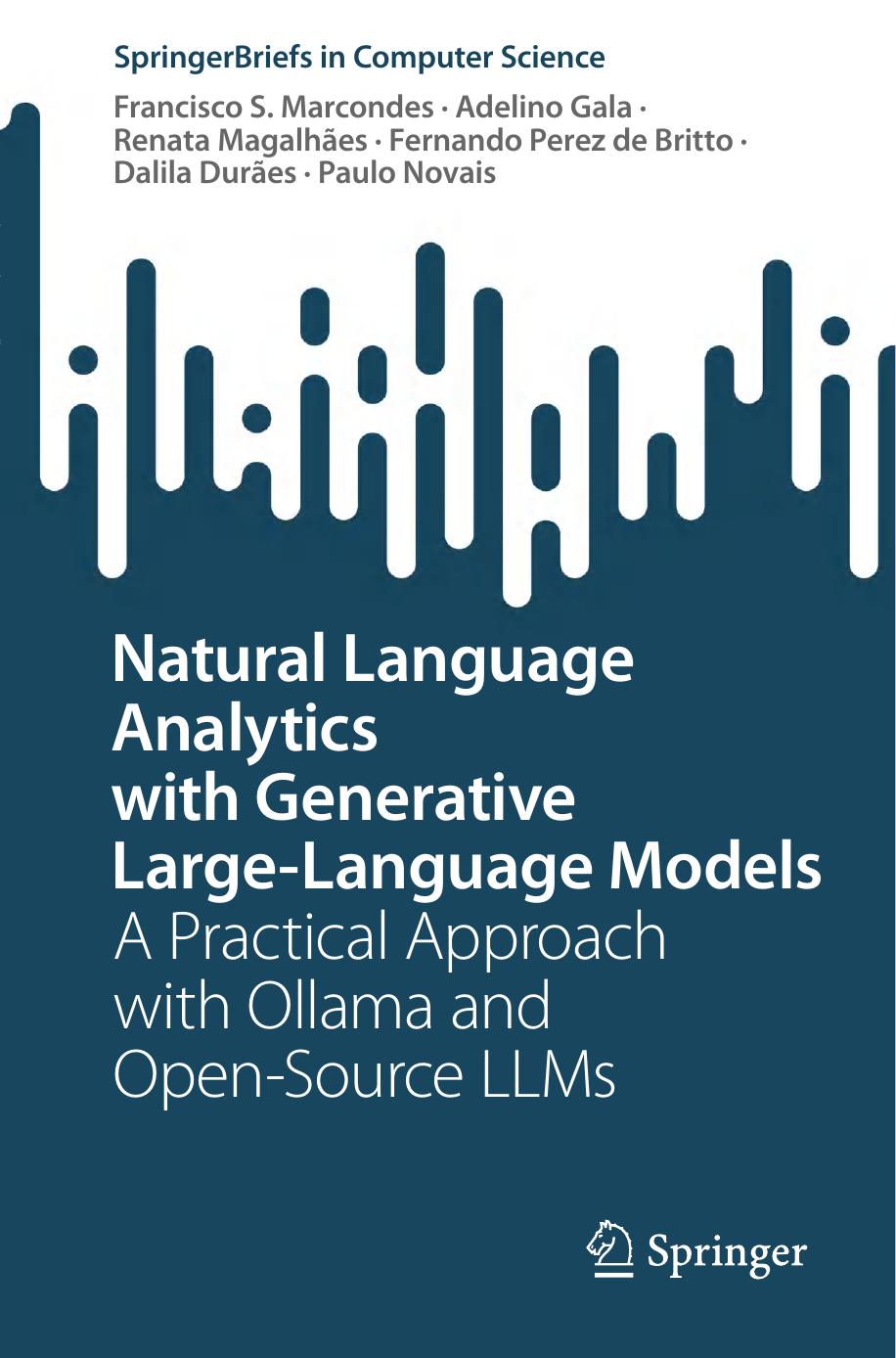
4.9
34 reviews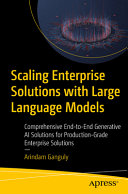
4.8
29 reviews
5.0
5 reviews
4.9
21 reviews