
Most ebook files are in PDF format, so you can easily read them using various software such as Foxit Reader or directly on the Google Chrome browser.
Some ebook files are released by publishers in other formats such as .awz, .mobi, .epub, .fb2, etc. You may need to install specific software to read these formats on mobile/PC, such as Calibre.
Please read the tutorial at this link. https://ebooknice.com/page/post?id=faq
We offer FREE conversion to the popular formats you request; however, this may take some time. Therefore, right after payment, please email us, and we will try to provide the service as quickly as possible.
For some exceptional file formats or broken links (if any), please refrain from opening any disputes. Instead, email us first, and we will try to assist within a maximum of 6 hours.
EbookNice Team
Status:
Available0.0
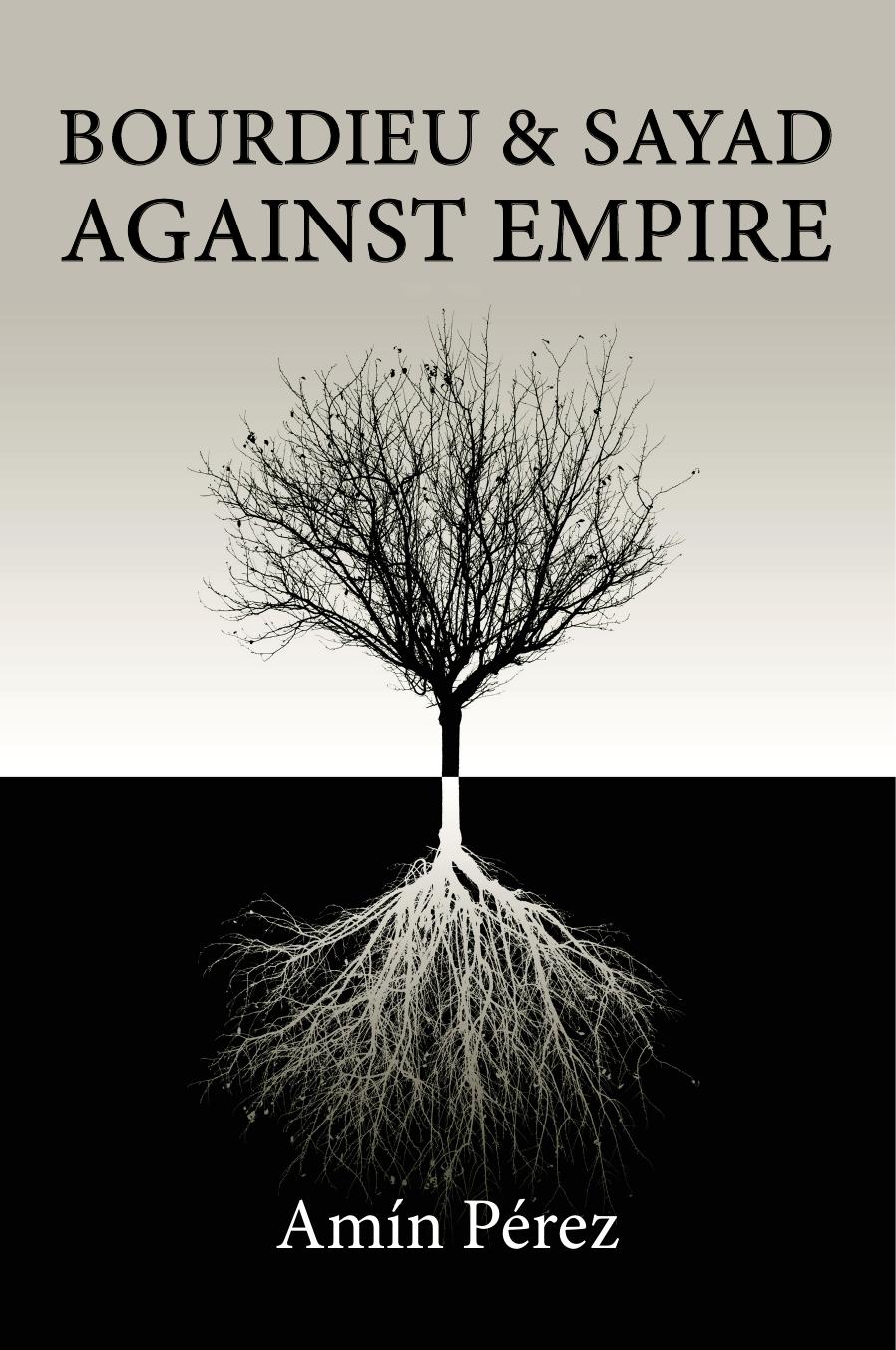
0 reviewsThe work of both men was driven by the necessity of putting knowledge to use, whether by unveiling the relations of domination that structured life in Algeria or by opening emancipatory perspectives for the Algerian people. Colonies were, of course, a customary site of ethnographic work, but Bourdieu and Sayad refused to sacrifice scientific rigor to political expediency, even as Algeria descended deeper into war. Indeed, the act of understanding as a political commitment to the transformation of society lay at the heart of their project.
Based on extensive interviews and deep archival work, Amín Pérez rediscovers the anticolonial origins of the pathbreaking social thought of these brilliant thinkers. Bourdieu and Sayad, he argues, forged another way of doing politics, laying the foundations of a revolutionary pedagogy, not just for anticolonial liberation but for true social emancipation.
Amín Pérez is Assistant Professor of Sociology at the Université du Québec à Montréal.
Part One: Sociology as Emancipation
Chapter 1: The Origins of Subversive Knowledge
Chapter 2: Resisting in War-torn Algeria
Chapter 3: A Sociology of the Colonial Order
Part Two: Liberation through Knowledge
Chapter 4: Listening, Observing, and Testifying in Times of War
Chapter 5: Renewing the Social Sciences out of Political Necessity
Chapter 6: From Colonial Liberation to Social Emancipation
Conclusion

5.0
25 reviews
4.4
22 reviews
4.3
28 reviews
4.6
14 reviews
4.4
30 reviews
5.0
17 reviews
4.8
21 reviews
4.5
6 reviews

5.0
7 reviews