
Most ebook files are in PDF format, so you can easily read them using various software such as Foxit Reader or directly on the Google Chrome browser.
Some ebook files are released by publishers in other formats such as .awz, .mobi, .epub, .fb2, etc. You may need to install specific software to read these formats on mobile/PC, such as Calibre.
Please read the tutorial at this link. https://ebooknice.com/page/post?id=faq
We offer FREE conversion to the popular formats you request; however, this may take some time. Therefore, right after payment, please email us, and we will try to provide the service as quickly as possible.
For some exceptional file formats or broken links (if any), please refrain from opening any disputes. Instead, email us first, and we will try to assist within a maximum of 6 hours.
EbookNice Team
Status:
Available4.4
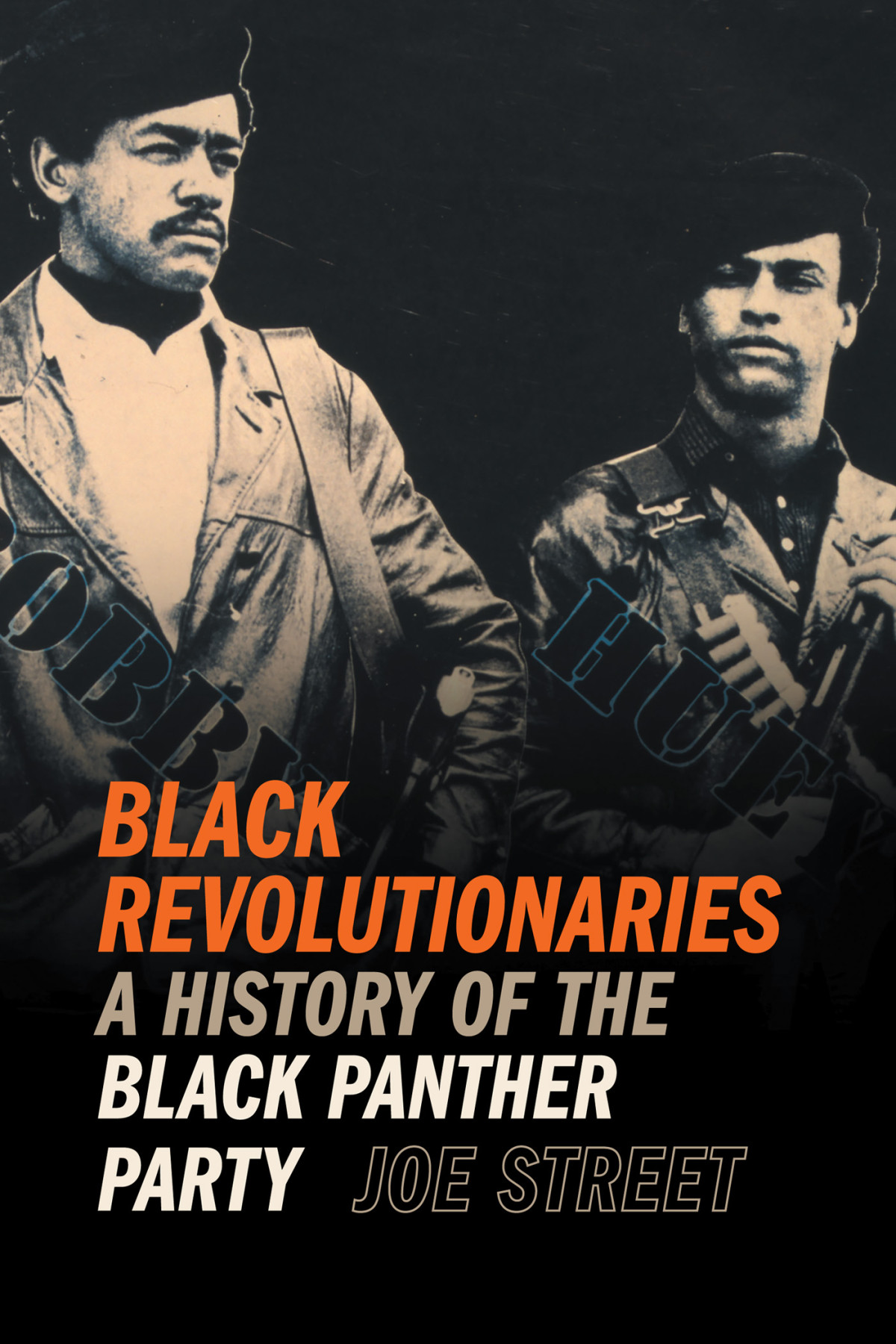
37 reviewsBlack Revolutionaries is an accessible yet rigorously argued history of the Black Panther Party (BPP), one of the emblematic organizations of the 1960s. Joe Street highlights the complexity of the BPP's history through three key themes: the BPP's intellectual history, its political and social activism, and the persecution its members endured. Together, these themes confirm the BPP's importance in understanding Black America's response to white oppression in the 1960s and 1970s.
Based on a wealth of archival material, Black Revolutionaries reveals the enduring importance of leftist political philosophy to 1960s and 1970s radicalism, and how the BPP helps us to understand more deeply the role of public space and public protest in the 1960s.
Street shows how the BPP were key to the transformation of political activism in the post-civil rights era. As the BPP faced the psychological and organizational impacts of FBI surveillance, police repression, and imprisonment, Street examines how these negative forces helped to shape and destroy the BPP.
Most significantly, Black Revolutionaries demonstrates that an understanding of African American grassroots politics and protest, racial injustice, and police brutality in the post-civil rights era is only comprehensible through engagement with the BPP’s history
4.3
22 reviews
4.8
40 reviews

4.6
19 reviews
5.0
21 reviews