
Most ebook files are in PDF format, so you can easily read them using various software such as Foxit Reader or directly on the Google Chrome browser.
Some ebook files are released by publishers in other formats such as .awz, .mobi, .epub, .fb2, etc. You may need to install specific software to read these formats on mobile/PC, such as Calibre.
Please read the tutorial at this link. https://ebooknice.com/page/post?id=faq
We offer FREE conversion to the popular formats you request; however, this may take some time. Therefore, right after payment, please email us, and we will try to provide the service as quickly as possible.
For some exceptional file formats or broken links (if any), please refrain from opening any disputes. Instead, email us first, and we will try to assist within a maximum of 6 hours.
EbookNice Team
Status:
Available4.9
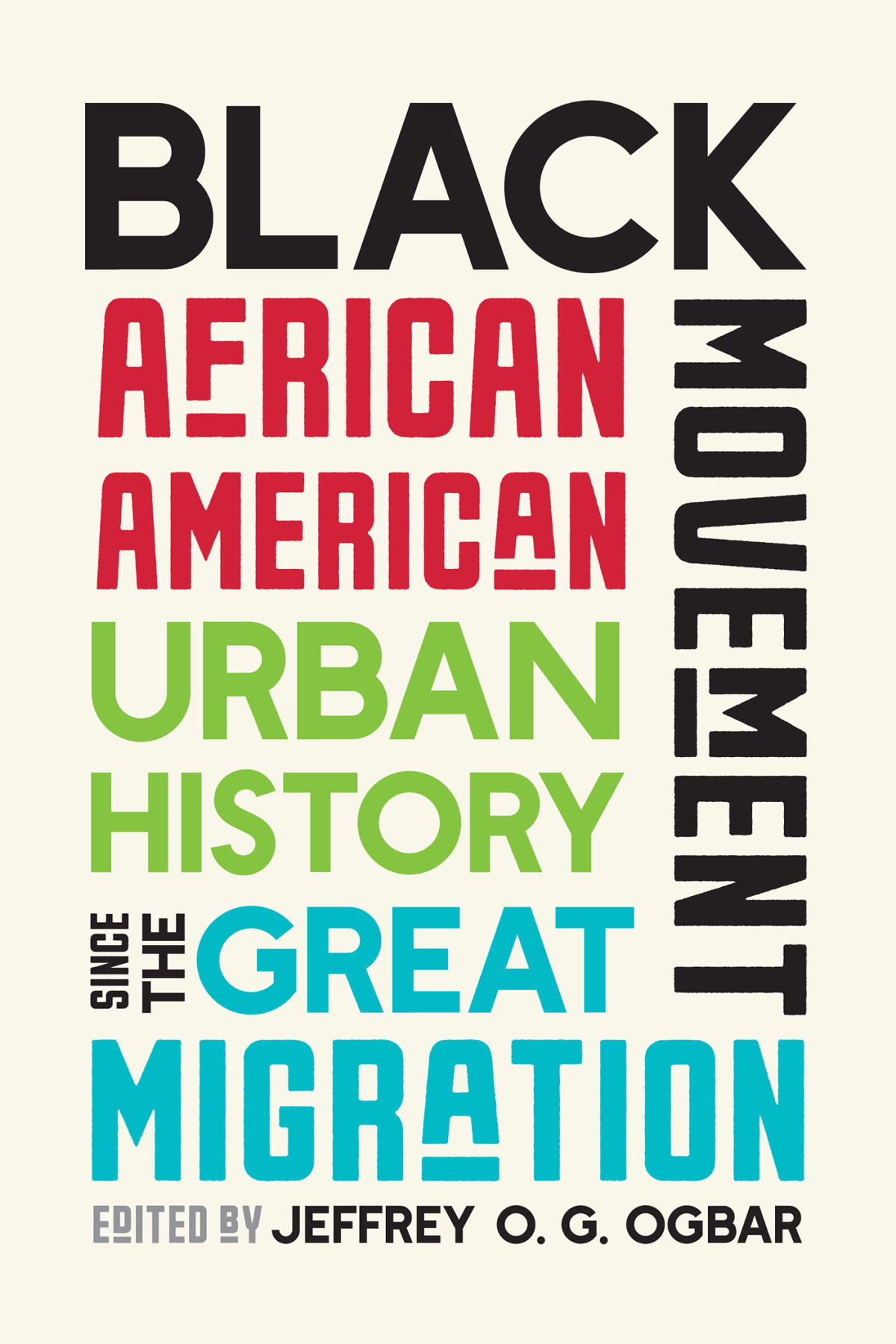
41 reviewsSince the 1970s, migration patterns have significantly shifted away from the major urban centers of the Great Migration, leaving some iconic Black communities replaced by mostly non-Black residents. Though many books have examined Black urban experiences in America, this is the first written by historians focusing on the post–Great Migration era. It is centered on numerous facets of Black life, including popular culture, policing, suburbanization, and political organizing across multiple cities. In this landmark volume, Jeffrey O. G. Ogbar and his contributors explore the last half century of African American urban history, covering a landscape transformed since the end of the Great Migration and demonstrating how cities remain dynamic into the twenty-first century.
Contributors are Stefan M. Bradley, Scot Brown, Tatiana M. F. Cruz, Tom Davies, LaShawn D. Harris, Maurice J. Hobson, Shannon King, Melanie D. Newport, Jeffrey O. G. Ogbar, Brian Purnell, J. T. Roane, Chanelle N. Rose, Benjamin Saracco, and Fiona Vernal.