
Most ebook files are in PDF format, so you can easily read them using various software such as Foxit Reader or directly on the Google Chrome browser.
Some ebook files are released by publishers in other formats such as .awz, .mobi, .epub, .fb2, etc. You may need to install specific software to read these formats on mobile/PC, such as Calibre.
Please read the tutorial at this link. https://ebooknice.com/page/post?id=faq
We offer FREE conversion to the popular formats you request; however, this may take some time. Therefore, right after payment, please email us, and we will try to provide the service as quickly as possible.
For some exceptional file formats or broken links (if any), please refrain from opening any disputes. Instead, email us first, and we will try to assist within a maximum of 6 hours.
EbookNice Team
Status:
Available4.6
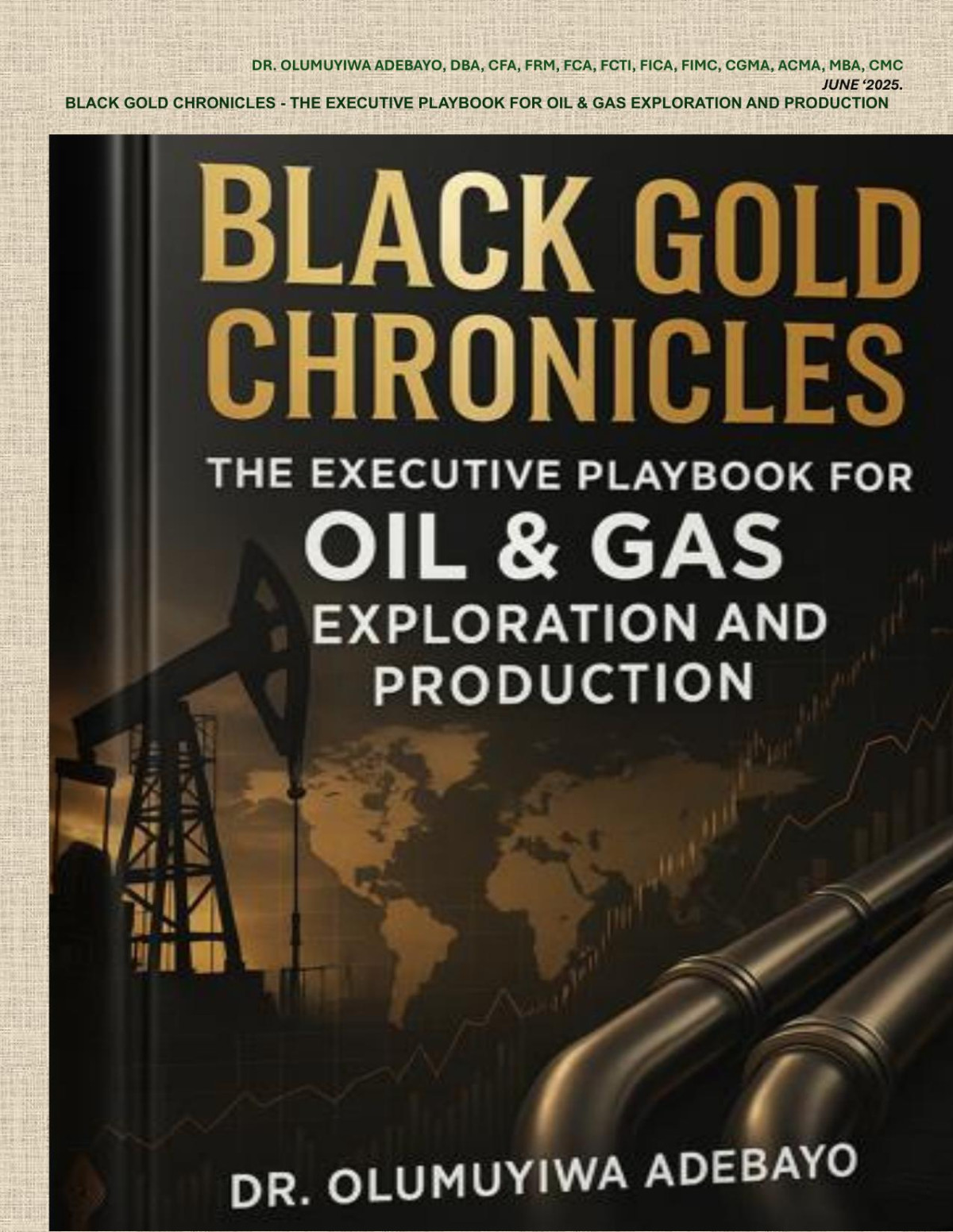
38 reviewsgathers pace, hydrocarbons remain deeply embedded in the global energy mix and economy. This
introduction sets the stage by highlighting why a Playbook for Exploration & Production is timely. We face
an evolving landscape: globally, energy demand is still growing, though the share of oil in total energy
is beginning to gradually decline, dipping below 30% for the first time in decades. Locally in Nigeria, oil
and gas are the backbone of the economy, providing the bulk of export earnings and government
revenue. Nigeria’s petroleum reserves - about 37 billion barrels of oil and 206 trillion cubic feet of gas -
place it among the top ten globally in oil and top eight in gas, underscoring the nation’s prominence in
the hydrocarbon world.
This manual’s introduction also underscores its structure. The seventeen chapters ahead are organized
thematically to cover context, technical foundations, regulatory frameworks, project economics,
technology, operations, legal and financial considerations, and strategic outlook. Throughout the
Playbook, international and Nigerian contexts are juxtaposed to draw lessons applicable to both mature
markets and emerging producers. Each chapter includes diagrams or charts to visualize key concepts,
alongside hypothetical yet realistic case studies that ground theory in practical scenarios. For instance,
when reading about petroleum economics, you’ll walk through a simplified financial model of an oilfield,
and in the technology chapter, you’ll encounter a story of a digital transformation project in a Nigerian
oil company adopting AI for predictive maintenance. To reinforce learning, chapters conclude with
bullet-point takeaways and questions that encourage reflection or group discussion
5.0
37 reviews
4.4
15 reviews
4.7
18 reviews
5.0
8 reviews
4.7
22 reviews

4.7
27 reviews
4.6
24 reviews