
Most ebook files are in PDF format, so you can easily read them using various software such as Foxit Reader or directly on the Google Chrome browser.
Some ebook files are released by publishers in other formats such as .awz, .mobi, .epub, .fb2, etc. You may need to install specific software to read these formats on mobile/PC, such as Calibre.
Please read the tutorial at this link. https://ebooknice.com/page/post?id=faq
We offer FREE conversion to the popular formats you request; however, this may take some time. Therefore, right after payment, please email us, and we will try to provide the service as quickly as possible.
For some exceptional file formats or broken links (if any), please refrain from opening any disputes. Instead, email us first, and we will try to assist within a maximum of 6 hours.
EbookNice Team
Status:
Available0.0
0 reviews
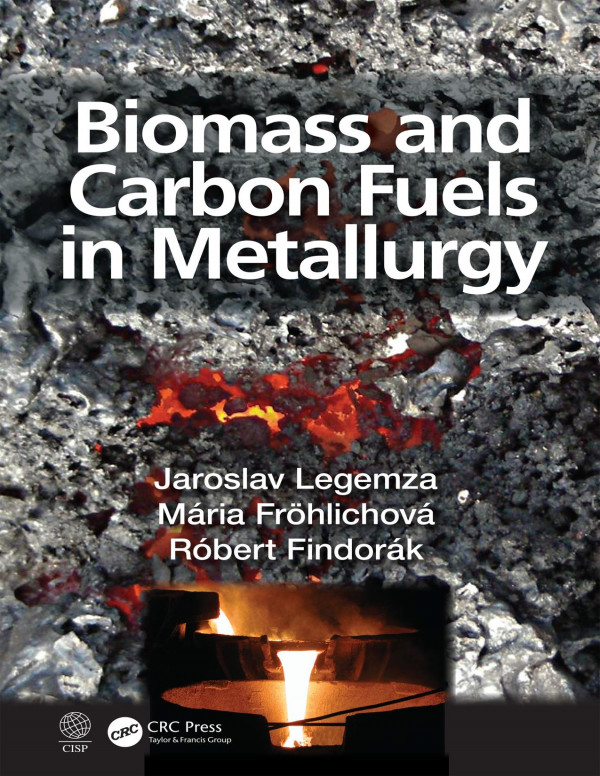
ISBN 10: 0367222426
ISBN 13: 978-0367222420
Author: Jaroslav Legemza, Mária Fröhlichová, Róbert Findorák
1. Introduction to the field
2. Fossil fuels and renewable energy sources
3. The role of fuels in metallurgy
4. CO2 emissions and metallurgical technologies
5. Distribution of fuels and their reserves
6. Carbonaceous fuels, their properties and testing
6.1. Chemical and phase composition
6.2. Petrographic composition
6.3. Physical and mechanical properties
6.4. Thermotechnical properties
6.5. Other specific properties
6.6. Methodologies and testing
7. Use of traditional fuels in the production of agglomerates
7.1. Fe sinter production
7.1.1. Requirements related to carbon fuel for agglomeration process
7.1.2. Use of fuel within the agglomeration process and combustion of carbonaceous fuel in the sintered layer
7.1.3. Processes occurring in the sintered layer
7.1.4. Properties of fuels for agglomeration process
7.1.5. Effect of fuel quantity on agglomeration process and the quality of Fe agglomerate
7.1.6. Modelling of agglomerate production in laboratory conditions and the impact of fuel on the agglomeration process
7.1.7. New directions and intensifying elements in the production of Fe agglomerate
7.2. Production of Mn agglomerate
7.3. Production of metallised agglomerate
8. Use of conventional carbonaceous fuels in the pig iron production
8.1. Requirements for quality of coal for coke production and injection into BF
8.1.1. Requirements for quality of coal for coke production
8.1.2. Requirements for quality of coal for injection into BF
8.2. Quality requirements for blast furnace coke
9. Use of traditional carbonaceous fuels in the production of steel and ferroalloys
9.1. Requirements for the types and quality of carbonaceous materials for steel production
9.2. Requirements for types and quality of carbonaceous materials for the production of ferroalloys
10. Traditional carbon fuels and the environment
11. Alternative fuels
11.1. Biomass
11.1.1. Classification of biomass
11.1.2. Properties of biomass
11.1.3. Biomass as a source of energy
11.1.4. Biomass and the environment
11.1.5. Methods of using biomass for metallurgical purposes
12. Utilization of biomass in the production of Fe agglomerates
12.1. Replacement of coke powder with biomass
12.2. Thermodynamic study of biomass utilisation within the agglomeration process
12.3. Technological aspects of the biomass use
12.3.1. Processing of biomass
12.3.2. Methodology for the agglomeration charge preparation using selected types of biomass
12.3.3. Execution of computational and experimental sintering model
12.3.4. Impact of biomass on the agglomeration process
12.3.5. Impact of biomass on the quality of Fe agglomerate
12.4. Ecological aspects of the use of biomass in the sintering process
12.5. Economic aspects of the biomass use
13. Use of alternative fuels in the production of pig iron
14. Use of alternative fuels in the production of steel and ferroalloys
15. Alternative fuels and environment
16. Alternative fuels of the future
17. Conclusion
biomass steel making
biomass and fossil fuels
biomass blast furnace
biomass and fossil fuels difference
a biomass fuel
Tags: Jaroslav Legemza, Maria Frohlichova, Robert Findorak, Biomass, Carbon Fuels, Metallurgy


4.6
12 reviews

4.7
9 reviews


5.0
6 reviews

4.7
41 reviews