Most ebook files are in PDF format, so you can easily read them using various software such as Foxit Reader or directly on the Google Chrome browser.
Some ebook files are released by publishers in other formats such as .awz, .mobi, .epub, .fb2, etc. You may need to install specific software to read these formats on mobile/PC, such as Calibre.
Please read the tutorial at this link. https://ebooknice.com/page/post?id=faq
We offer FREE conversion to the popular formats you request; however, this may take some time. Therefore, right after payment, please email us, and we will try to provide the service as quickly as possible.
For some exceptional file formats or broken links (if any), please refrain from opening any disputes. Instead, email us first, and we will try to assist within a maximum of 6 hours.
EbookNice Team
Status:
Available0.0
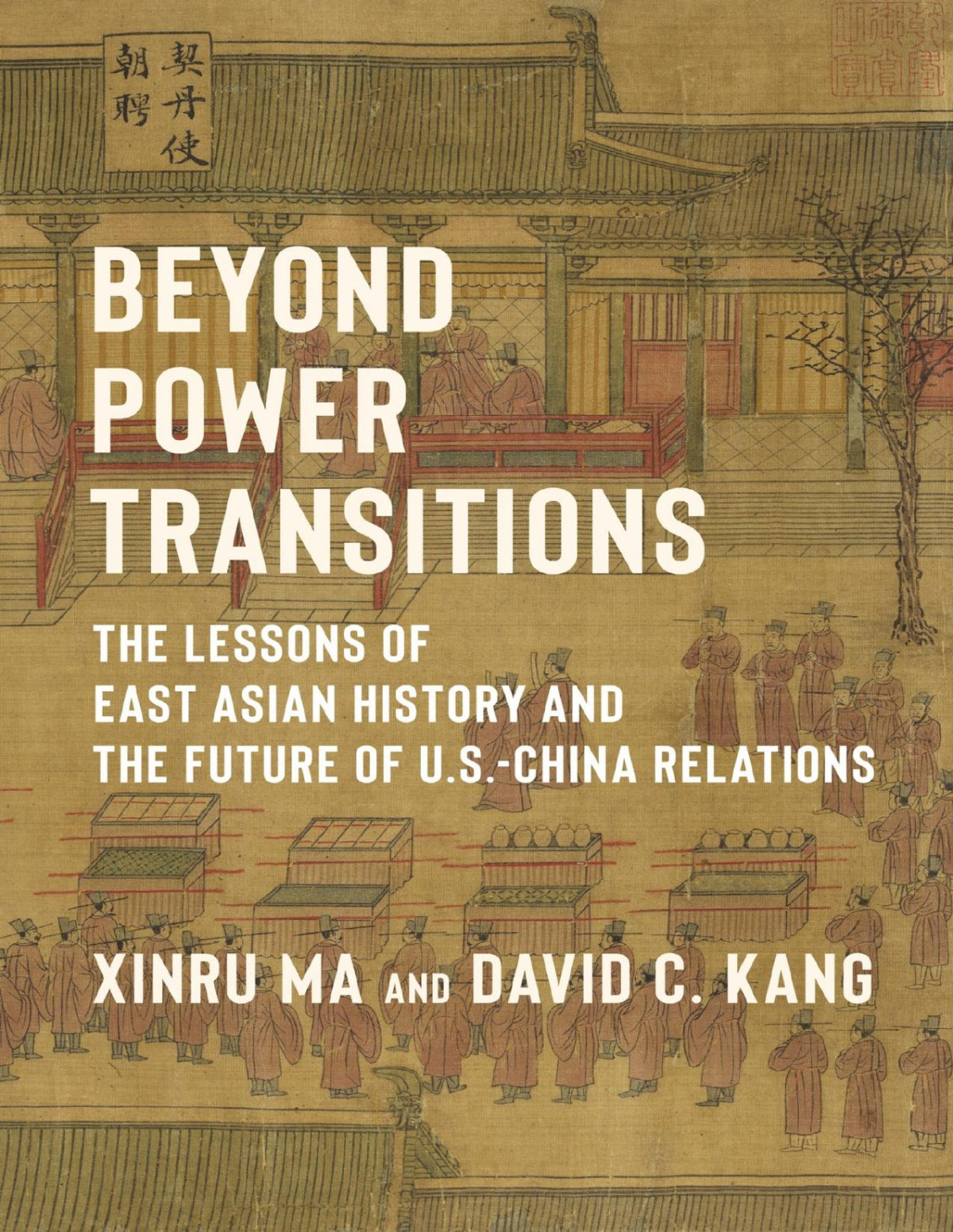
0 reviewsQuestions about the likelihood of conflict between the United States and China have dominated international policy discussion for years. But the leading theory of power transitions between a declining hegemon and a rising rival is based exclusively on European examples, such as the Peloponnesian War, as chronicled by Thucydides, as well as the rise of Germany under Bismarck and the Anglo-German rivalry of the nineteenth and early twentieth centuries. What lessons does East Asian history offer, for both the power transitions debate and the future of U.S.-China relations?
Examining the rise and fall of East Asian powers over 1,500 years, Beyond Power Transitions offers a new perspective on the forces that shape war and peace. Xinru Ma and David C. Kang argue that focusing on the East Asian experience underscores domestic risks and constraints on great powers, not relative rise and decline in international competition. They find that almost every regime transition before the twentieth century was instigated by internal challenges and even the exceptions deviated markedly from the predictions of power transition theory. Instead, East Asia was stable for a remarkably long time despite massive power differences because of common understandings about countries’ relative status. Provocative and incisive, this book challenges prevailing assumptions about the universality of power transition theory and shows why East Asian history has profound implications for international affairs today.

4.5
13 reviews
4.3
11 reviews
4.4
26 reviews
4.7
33 reviews
4.4
17 reviews
4.6
7 reviews
5.0
21 reviews