
Most ebook files are in PDF format, so you can easily read them using various software such as Foxit Reader or directly on the Google Chrome browser.
Some ebook files are released by publishers in other formats such as .awz, .mobi, .epub, .fb2, etc. You may need to install specific software to read these formats on mobile/PC, such as Calibre.
Please read the tutorial at this link. https://ebooknice.com/page/post?id=faq
We offer FREE conversion to the popular formats you request; however, this may take some time. Therefore, right after payment, please email us, and we will try to provide the service as quickly as possible.
For some exceptional file formats or broken links (if any), please refrain from opening any disputes. Instead, email us first, and we will try to assist within a maximum of 6 hours.
EbookNice Team
Status:
Available0.0
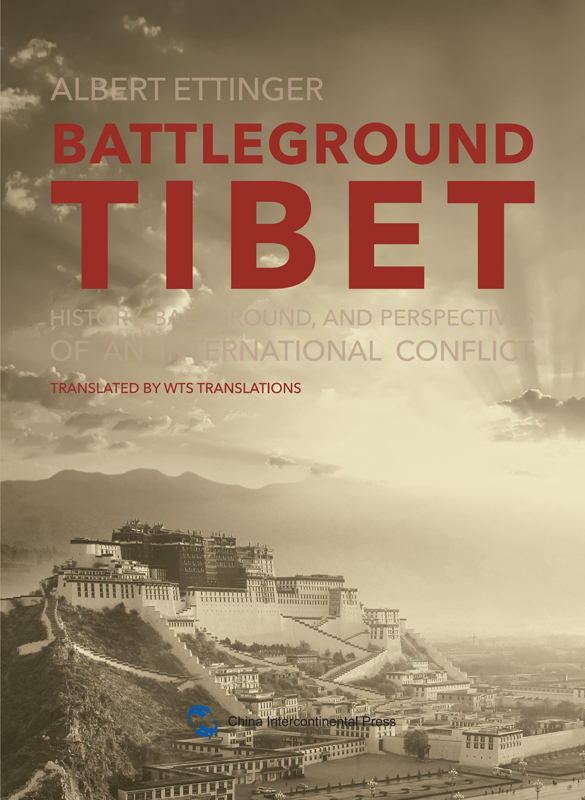
0 reviewsThis book lights up the historical, political and international law aspects of the Tibet conflict. Based on western scientific literature and on contemporary witnesses, it rebuts the largely dominant narrative that in 1950, the Chinese communists attacked and occupied an independent, peaceful country and, since then, tried to suppress Tibetan culture and even the Tibetan people itself.
On the contrary, it shows that “Tibetan independence” was a colonial project of the British Empire – a project later resumed, to some extent, by the USA within the context of the Cold War.
The author deals in detail with the first half of the 20th century, starting with the 13th Dalai Lama who rose later, with British support, to become a despot over an “independent Tibet“in which British agents pulled the strings. High officials and lamas loyal to China were killed then or had to flee, hole monasteries were razed to the ground. The Dalai Lama’s will for modernisation, though maintained by numerous western authors, confined itself to the creation of a "modern" army equipped and trained by the Britons. The death of the 13th Dalai Lama in 1933 led to embittered struggles for power, which the author tells in detail. The regent, who eventually came out on top, though being a lama, was corrupt and debauched. In the course of a renewed struggle for power with his equally corrupt successor, even a short civil war took place in Lhasa.
4.7
7 reviews
4.6
39 reviews
4.5
40 reviews
4.5
10 reviews
4.6
23 reviews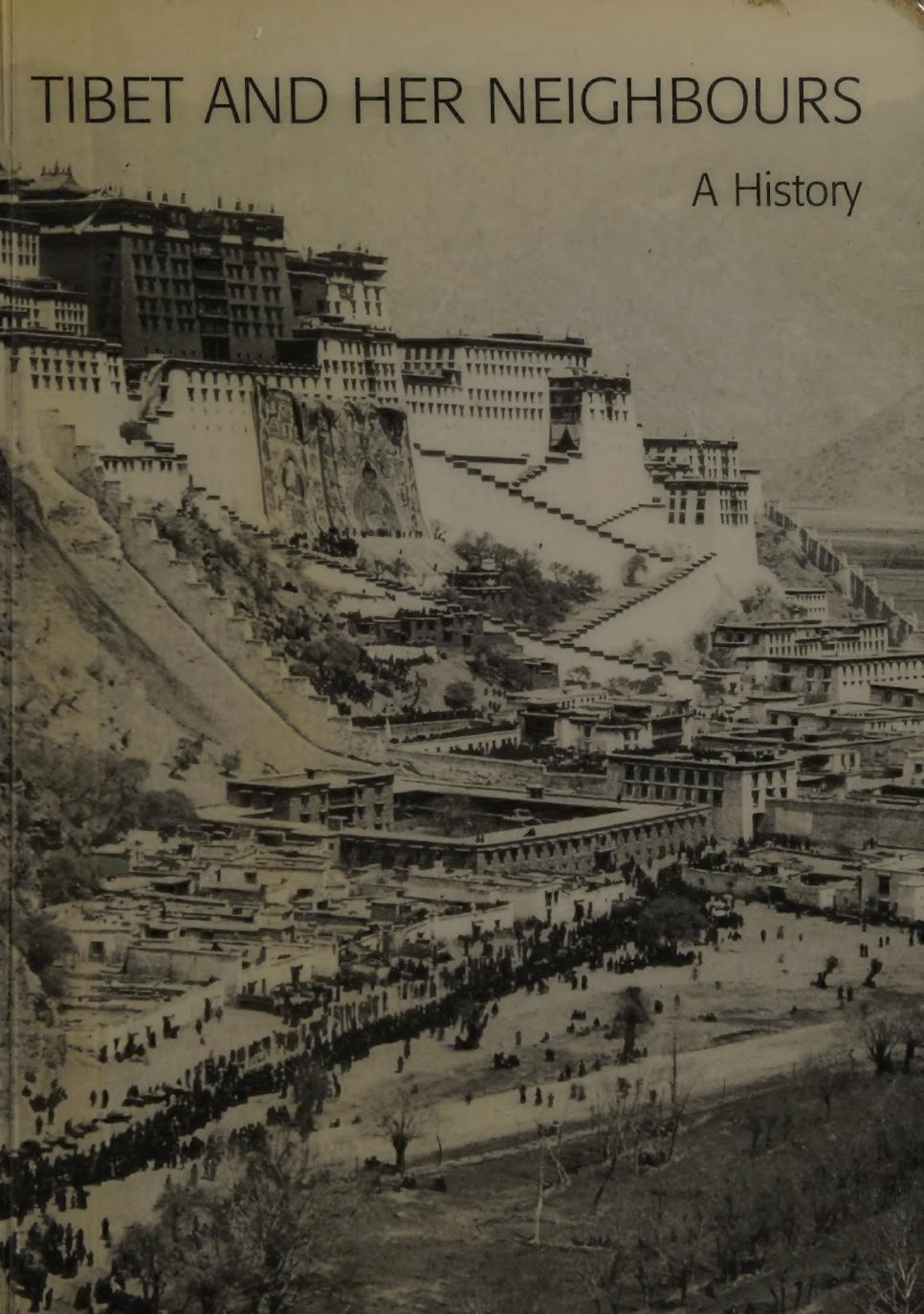
4.7
26 reviews
5.0
30 reviews
4.7
9 reviews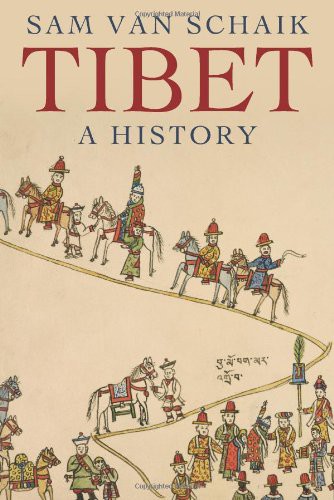
4.6
37 reviews