
Most ebook files are in PDF format, so you can easily read them using various software such as Foxit Reader or directly on the Google Chrome browser.
Some ebook files are released by publishers in other formats such as .awz, .mobi, .epub, .fb2, etc. You may need to install specific software to read these formats on mobile/PC, such as Calibre.
Please read the tutorial at this link. https://ebooknice.com/page/post?id=faq
We offer FREE conversion to the popular formats you request; however, this may take some time. Therefore, right after payment, please email us, and we will try to provide the service as quickly as possible.
For some exceptional file formats or broken links (if any), please refrain from opening any disputes. Instead, email us first, and we will try to assist within a maximum of 6 hours.
EbookNice Team
Status:
Available0.0
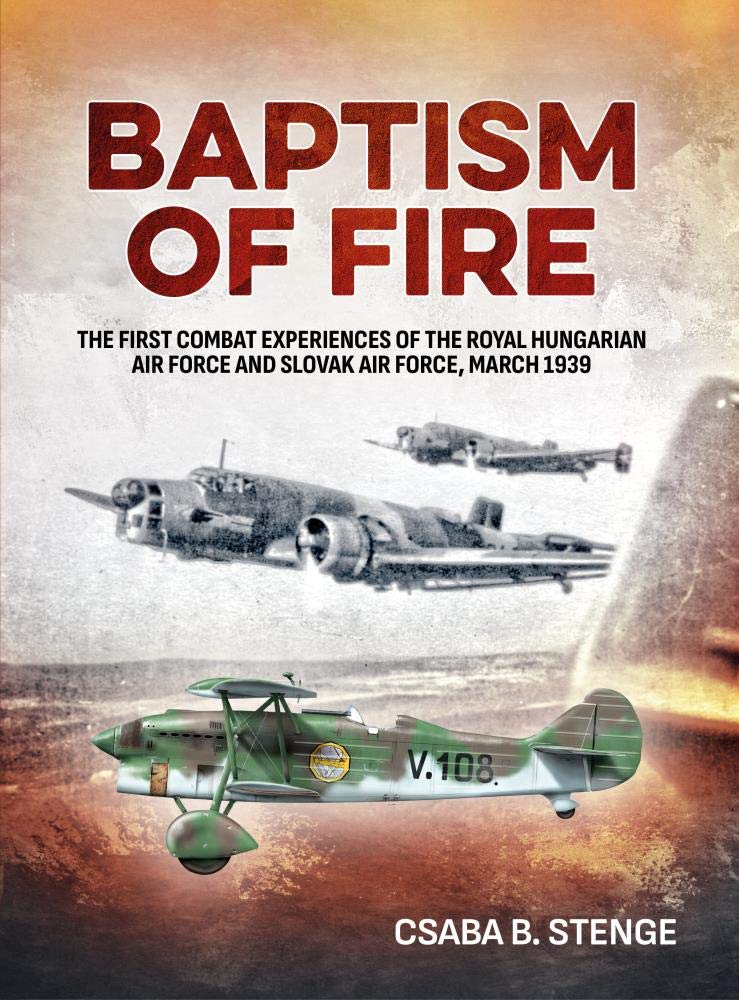
0 reviewsFrom the Hungarian point of view, occupying its former territory of Sub-Carpathia was very important. Hungary was surrounded on three sides by the hostile Little Entente countries (Czechoslovakia, Rumania and Yugoslavia) and on the fourth side, since the Anschluss in March, 1938, by the Third Reich. To break this encirclement, it was necessary to restore the common border with Hungary’s historical ally, Poland and this was achieved by the occupation of this territory. For the Hungarian Armed Forces, the short border conflict with Slovakia was only the closing phase of the occupation of Sub-Carpathia.
From the Slovakian point of view, however, this is a far more important conflict. Slovakia became independent for the first time in its history in March, 1939. Parallel to Slovak independence, the Czech territories from the former Czechoslovakia were seized by the Third Reich and Sub-Carpathia was occupied by Hungary. The invasion of a border area of Slovakia by the Hungarians was considered by the Slovaks as a direct threat to the independence of the country.
During the Hungarian occupation of Sub-Carpathia, their ground troops were supported by Hungarian reconnaissance and bomber forces. During the border conflict with Slovakia, a short but fierce clash started between the contending air forces...
4.7
17 reviews
4.8
38 reviews
4.8
8 reviews
4.3
6 reviews
4.6
13 reviews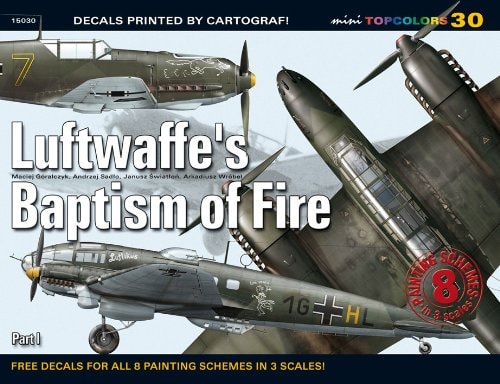
4.6
14 reviews
4.4
31 reviews
4.8
25 reviews