Most ebook files are in PDF format, so you can easily read them using various software such as Foxit Reader or directly on the Google Chrome browser.
Some ebook files are released by publishers in other formats such as .awz, .mobi, .epub, .fb2, etc. You may need to install specific software to read these formats on mobile/PC, such as Calibre.
Please read the tutorial at this link. https://ebooknice.com/page/post?id=faq
We offer FREE conversion to the popular formats you request; however, this may take some time. Therefore, right after payment, please email us, and we will try to provide the service as quickly as possible.
For some exceptional file formats or broken links (if any), please refrain from opening any disputes. Instead, email us first, and we will try to assist within a maximum of 6 hours.
EbookNice Team
Status:
Available4.8
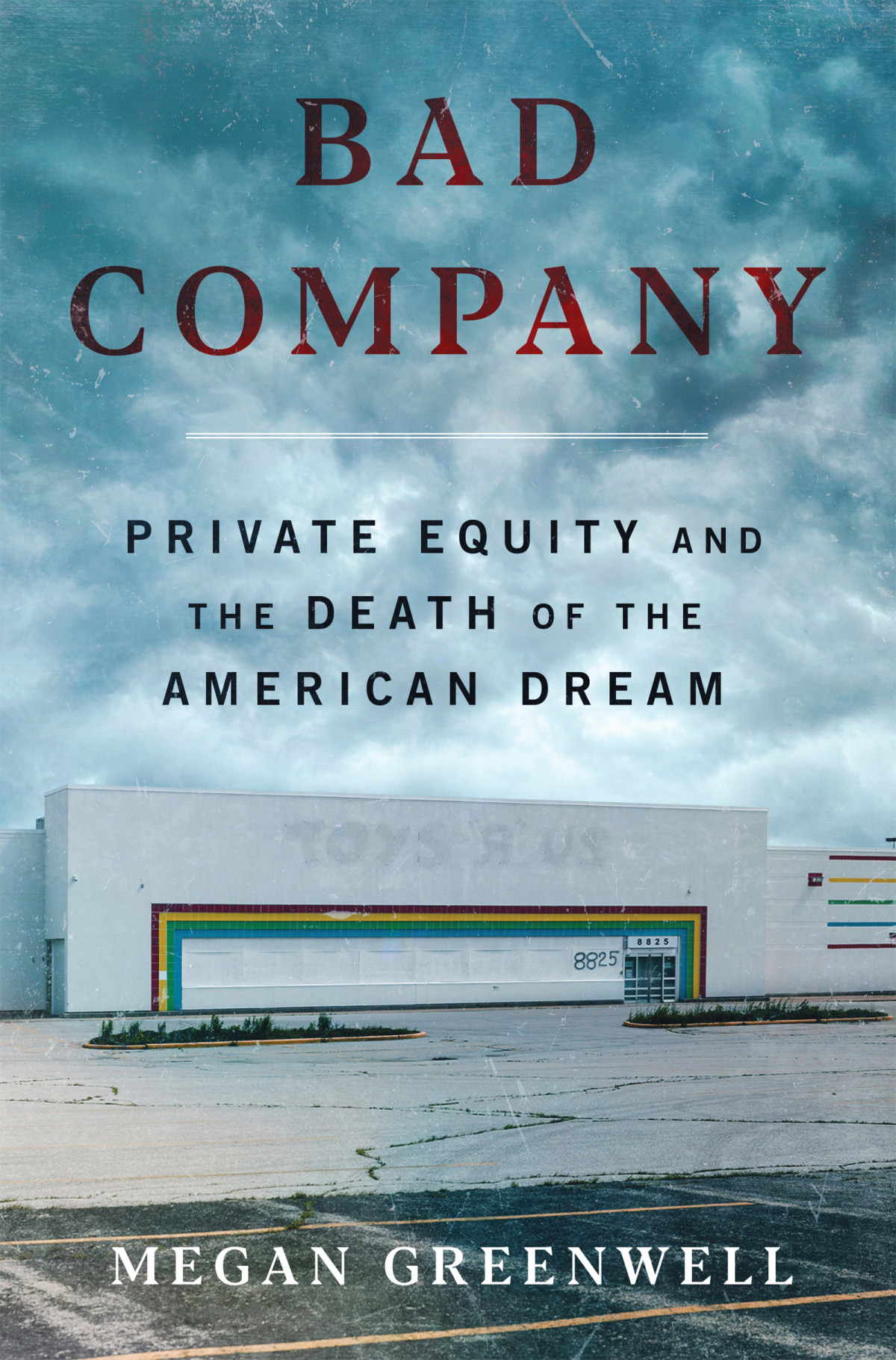
39 reviewsPrivate equity runs our country, yet few Americans have any idea how ingrained it is in their lives. Private equity controls our hospitals, daycare centers, supermarket chains, voting machine manufacturers, local newspapers, nursing home operators, fertility clinics, and prisons. The industry even manages highways, municipal water systems, fire departments, emergency medical services, and owns a growing swath of commercial and residential real estate.
Private equity executives, meanwhile, are not only among the wealthiest people in American society, but have grown to become modern-day barons with outsized influence on our politics and legislation. CEOs of firms like Blackstone, Carlyle, KKR, and Apollo are rewarded with seats in the Senate and on the boards of the country’s most august institutions; meanwhile, entire communities are hollowed out as a result of their buyouts. Workers lose their jobs. Communities lose their institutions. Only private equity wins.
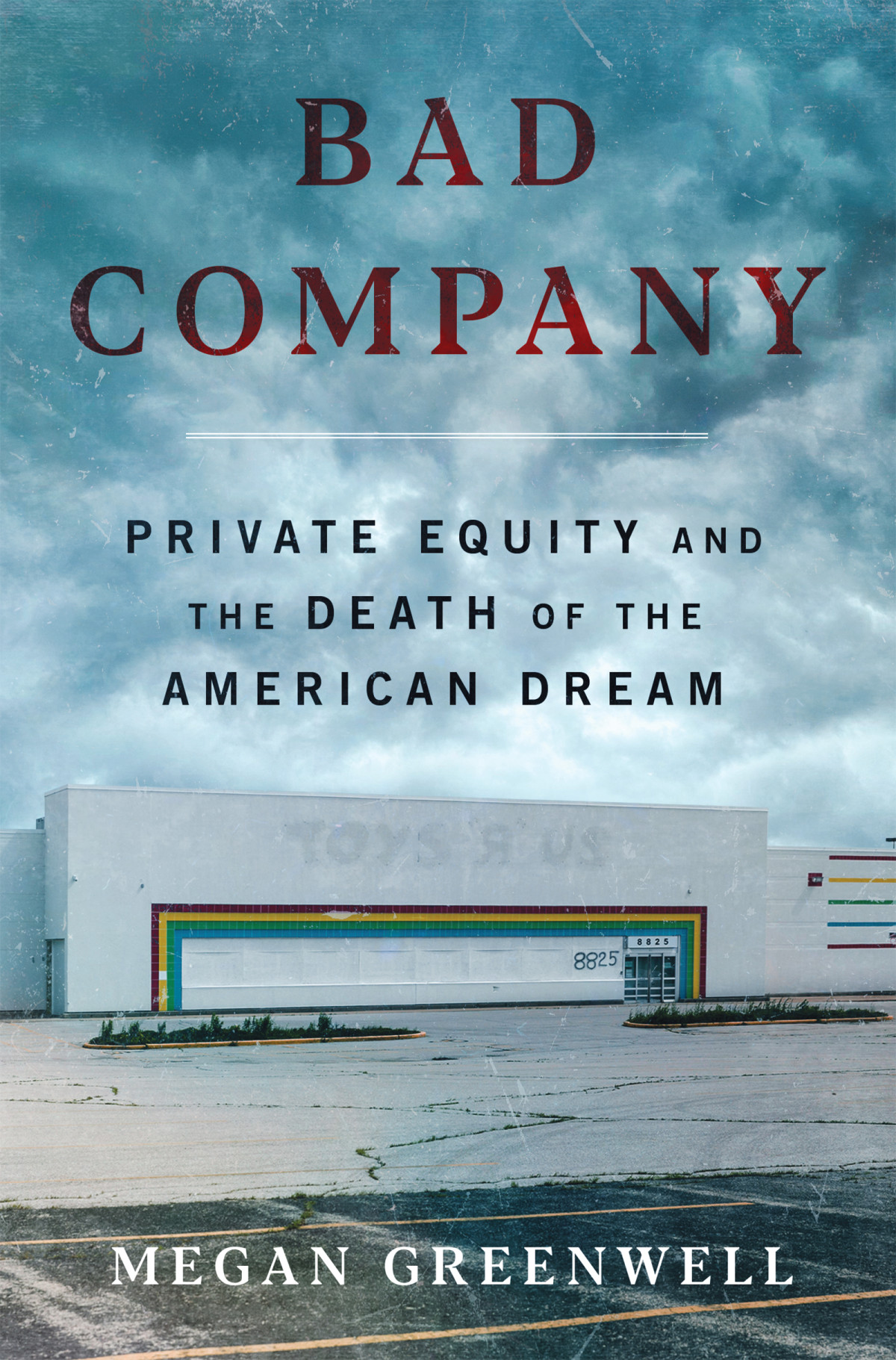
Acclaimed journalist Megan Greenwell’s Bad Company unearths the hidden story of private equity by examining the lives of four American workers that were devastated as private equity upended their employers and communities: a Toys R Us floor supervisor, a rural doctor, a local newspaper journalist, and an affordable housing organizer. Taken together, their individual experiences also pull back the curtain on a much larger project: how private equity reshaped the American economy to serve its own interests, creating a new class of billionaires while stripping ordinary people of their livelihoods, their health care, their homes, and their sense of security.
4.8
6 reviews
4.8
22 reviews
4.4
33 reviews
4.8
25 reviews


4.7
7 reviews