
Most ebook files are in PDF format, so you can easily read them using various software such as Foxit Reader or directly on the Google Chrome browser.
Some ebook files are released by publishers in other formats such as .awz, .mobi, .epub, .fb2, etc. You may need to install specific software to read these formats on mobile/PC, such as Calibre.
Please read the tutorial at this link. https://ebooknice.com/page/post?id=faq
We offer FREE conversion to the popular formats you request; however, this may take some time. Therefore, right after payment, please email us, and we will try to provide the service as quickly as possible.
For some exceptional file formats or broken links (if any), please refrain from opening any disputes. Instead, email us first, and we will try to assist within a maximum of 6 hours.
EbookNice Team
Status:
Available4.3
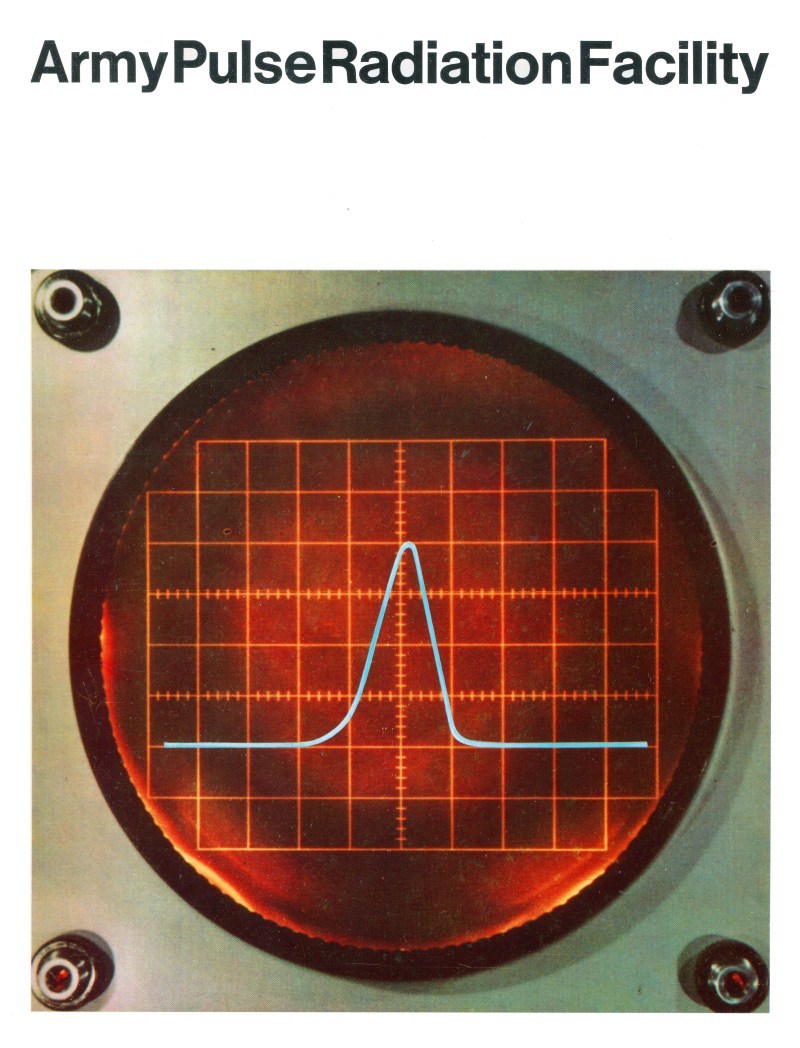
25 reviewsThe Army Pulse Radiation Facility (APRF) is designed to meet an Army need for a facility located near the Eastern Seaboard capable of providing large fast neutron and gamma radiation doses within microseconds. This fast pulse radiation capability is necessary for the determination of transient responses of materiel in nuclear environments.
The APRF increases Army capability by providing improved simulation of radiative effects of a nuclear burst for studies of Army interest, and provides a facility for testing Army materiel. Because of its location, the APRF economically and efficiently serves the heavy concentration of Army agencies and contractors located along the Eastern Seaboard.
The design of the APRF is a direct outgrowth of projected user requirements. Thus, the reactor can be used both for high dose irradiations of small objects, as a point source for radiation detector studies, and irradiation of bulk objects. The former requirement led to the incorporation of a 1½-inch OD “glory hole” running through the center of the core, and providing a fast neutron fluence of about 9 × 10¹⁴ neutrons per square centimeter per pulse. The latter two requirements have resulted in the design of a large volume, low-radiation backscatter Reactor Building. Provision is made for moving the reactor both within the Reactor Building and to an outdoor test site at heights variable up to 44 feet above ground by means of a mechanical device called the reactor transporter. The reactor is also capable of intermittent steady state operation in the kilowatt range for classes of experiments requiring this mode of operation.

4.4
18 reviews
4.4
7 reviews



4.5
11 reviews
4.6
13 reviews
4.9
33 reviews
4.7
37 reviews