
Most ebook files are in PDF format, so you can easily read them using various software such as Foxit Reader or directly on the Google Chrome browser.
Some ebook files are released by publishers in other formats such as .awz, .mobi, .epub, .fb2, etc. You may need to install specific software to read these formats on mobile/PC, such as Calibre.
Please read the tutorial at this link. https://ebooknice.com/page/post?id=faq
We offer FREE conversion to the popular formats you request; however, this may take some time. Therefore, right after payment, please email us, and we will try to provide the service as quickly as possible.
For some exceptional file formats or broken links (if any), please refrain from opening any disputes. Instead, email us first, and we will try to assist within a maximum of 6 hours.
EbookNice Team
Status:
Available4.4
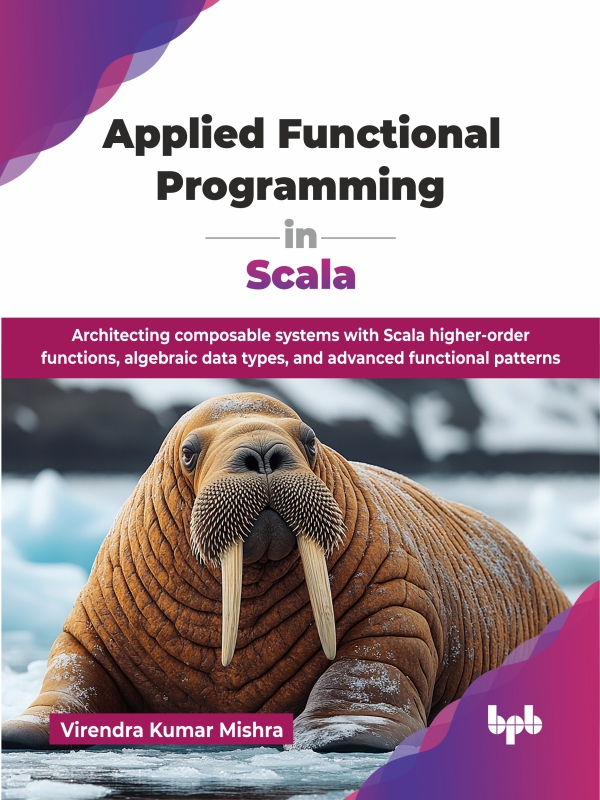
17 reviewsThis book explores core functional principles like immutability, pure functions, and referential transparency. You will gain a deep understanding of the mathematical underpinnings through category theory concepts like Functors and Monads, and then apply these practically using Scala functional features and leading libraries such as Cats and ZIO. The book also covers handling effects and I/O, advanced functional patterns, and using specialized tools to build functional web, database, and streaming solutions. With real examples and patterns, it shows how these ideas can simplify code, improve testability, and increase system resilience.
By the end of this book, you will have a theoretical understanding and practical proficiency in building high-quality, maintainable applications using functional programming in Scala.
What you will learn
● Implement Scala higher-order functions, currying, and Option/Either.
● Understand Functors, Monads, and their category theory relevance.
● Utilize Cats type classes for extensible functional programming.
● Build scalable applications using FP patterns.
● Manage side-effects and I/O functionally using effect systems.
● Real-world use of functional programming.
Who this book is for
This book is for software engineers, developers, and architects seeking to write more composable, testable, and expressive code. Readers should have a basic understanding of programming concepts, but no prior functional language experience is required.
5.0
31 reviews
4.5
5 reviews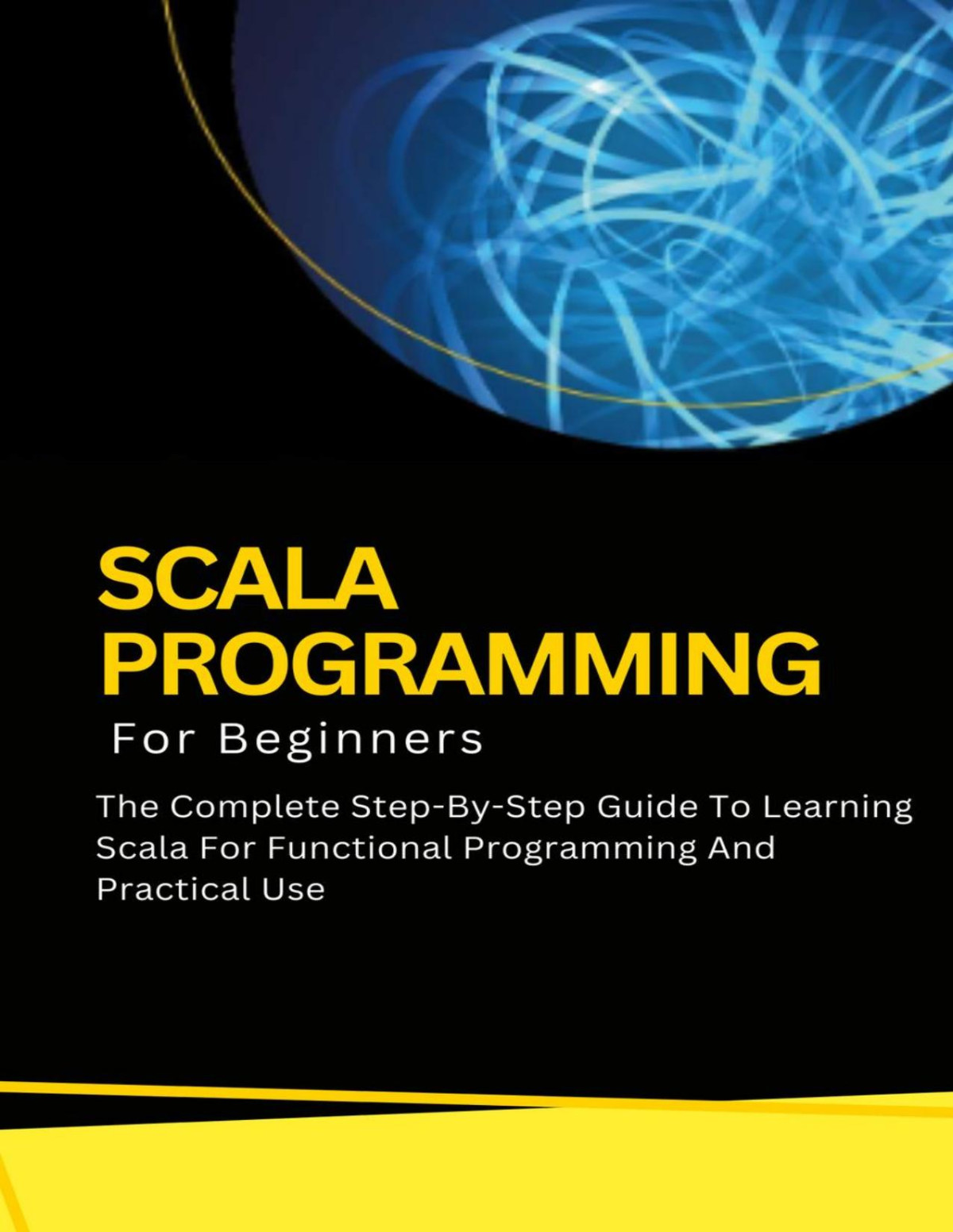
4.5
34 reviews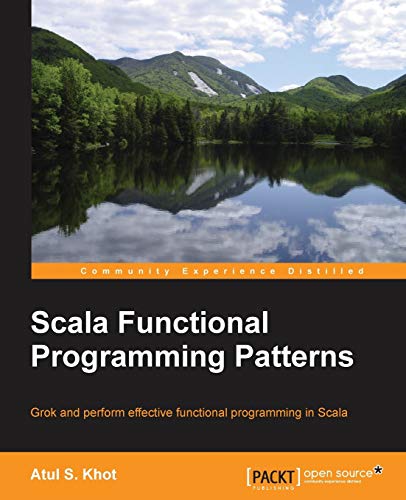
4.5
27 reviews
4.6
30 reviews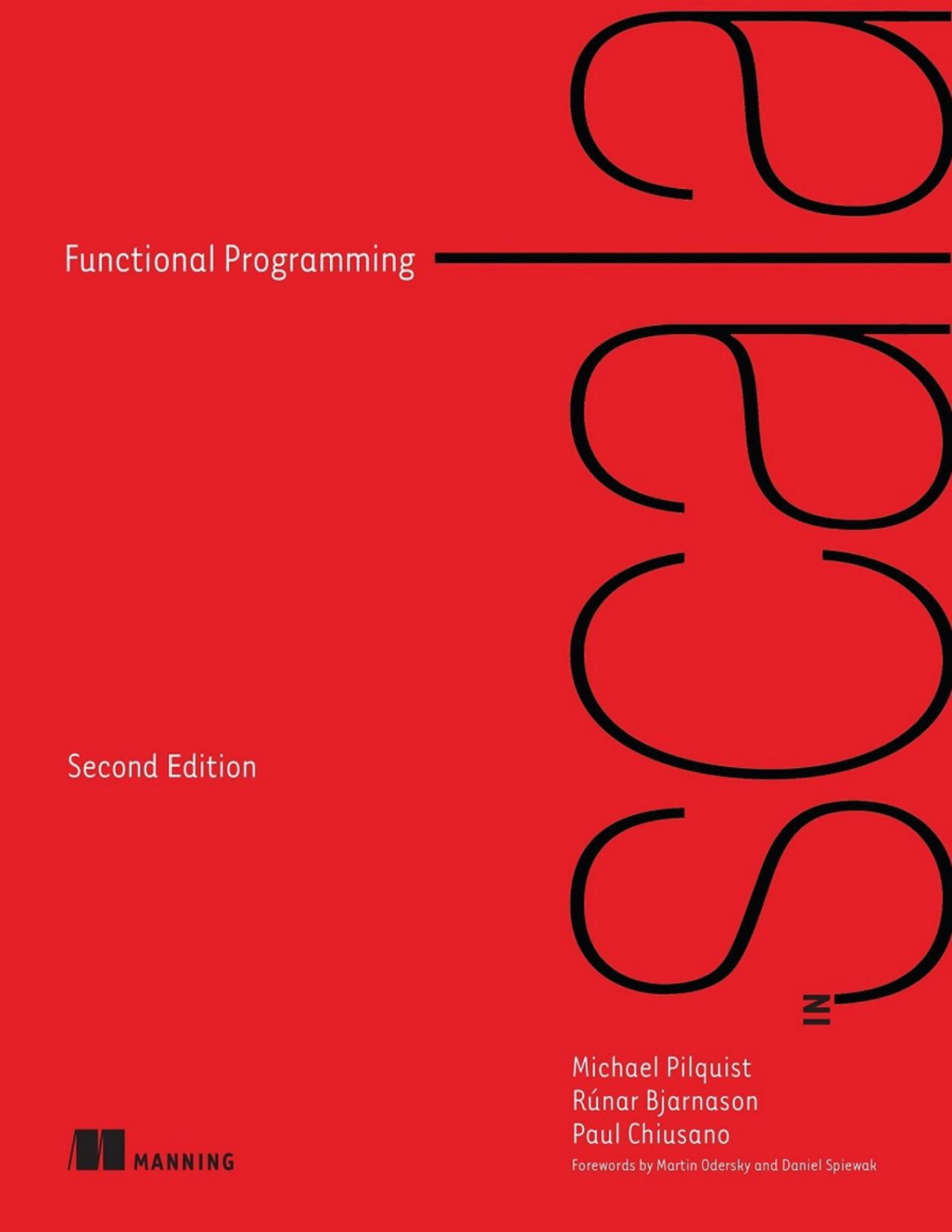
4.5
26 reviews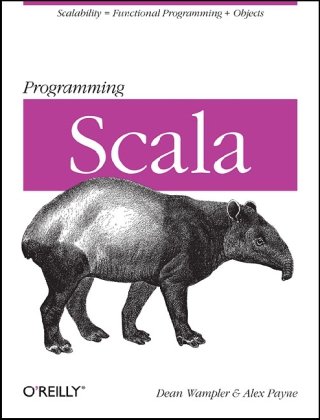
4.7
31 reviews
5.0
26 reviews