Most ebook files are in PDF format, so you can easily read them using various software such as Foxit Reader or directly on the Google Chrome browser.
Some ebook files are released by publishers in other formats such as .awz, .mobi, .epub, .fb2, etc. You may need to install specific software to read these formats on mobile/PC, such as Calibre.
Please read the tutorial at this link. https://ebooknice.com/page/post?id=faq
We offer FREE conversion to the popular formats you request; however, this may take some time. Therefore, right after payment, please email us, and we will try to provide the service as quickly as possible.
For some exceptional file formats or broken links (if any), please refrain from opening any disputes. Instead, email us first, and we will try to assist within a maximum of 6 hours.
EbookNice Team
Status:
Available4.3
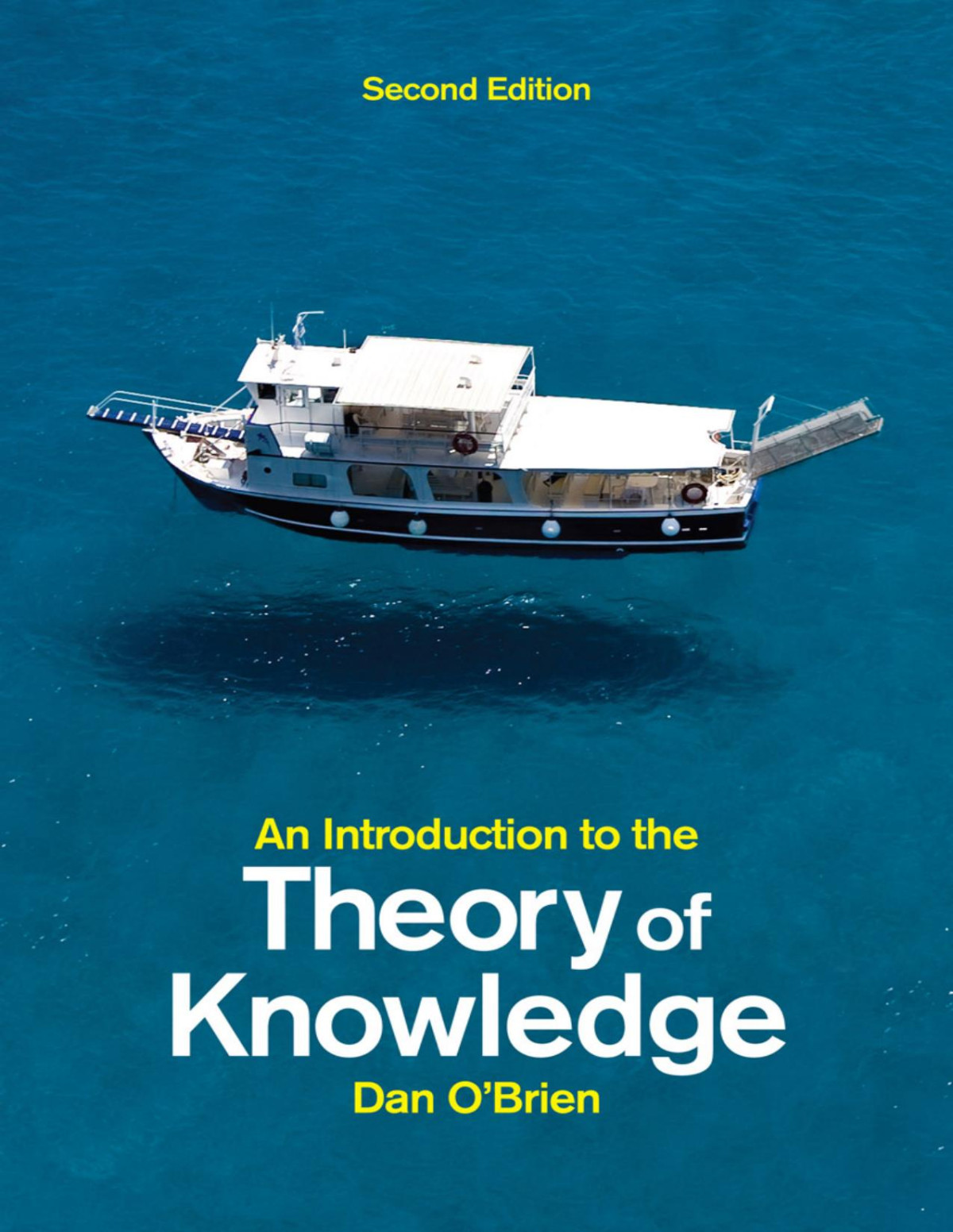
25 reviewsAn Introduction to the Theory of Knowledge, 2nd Edition guides the reader through the key issues and debates in contemporary epistemology. Lucid, comprehensive and accessible, it is an ideal textbook for students who are new to the subject and for university undergraduates. The book is divided into five parts. Part I discusses the concept of knowledge and distinguishes between different types of knowledge. Part II surveys the sources of knowledge, considering both a priori and a posteriori knowledge. Parts III and IV provide an in-depth discussion of justification and scepticism. The final part of the book examines our alleged knowledge of the past, other minds, morality and God. In this extensively revised second edition there are expanded sections on epistemic luck, social epistemology and contextualism, and there are new sections on the contemporary debates concerning the lottery paradox, pragmatic encroachment, peer disagreement, safety, sensitivity and virtue epistemology. Engaging examples are used throughout the book, many taken from literature and the cinema. Complex issues, such as those concerning the private language argument, non-conceptual content, and the new riddle of induction, are explained in a clear and accessible way. This textbook is an invaluable guide to contemporary epistemology.
4.7
13 reviews
4.6
38 reviews
4.9
29 reviews
4.4
17 reviews
4.6
9 reviews
4.9
11 reviews