
Most ebook files are in PDF format, so you can easily read them using various software such as Foxit Reader or directly on the Google Chrome browser.
Some ebook files are released by publishers in other formats such as .awz, .mobi, .epub, .fb2, etc. You may need to install specific software to read these formats on mobile/PC, such as Calibre.
Please read the tutorial at this link. https://ebooknice.com/page/post?id=faq
We offer FREE conversion to the popular formats you request; however, this may take some time. Therefore, right after payment, please email us, and we will try to provide the service as quickly as possible.
For some exceptional file formats or broken links (if any), please refrain from opening any disputes. Instead, email us first, and we will try to assist within a maximum of 6 hours.
EbookNice Team
Status:
Available4.4
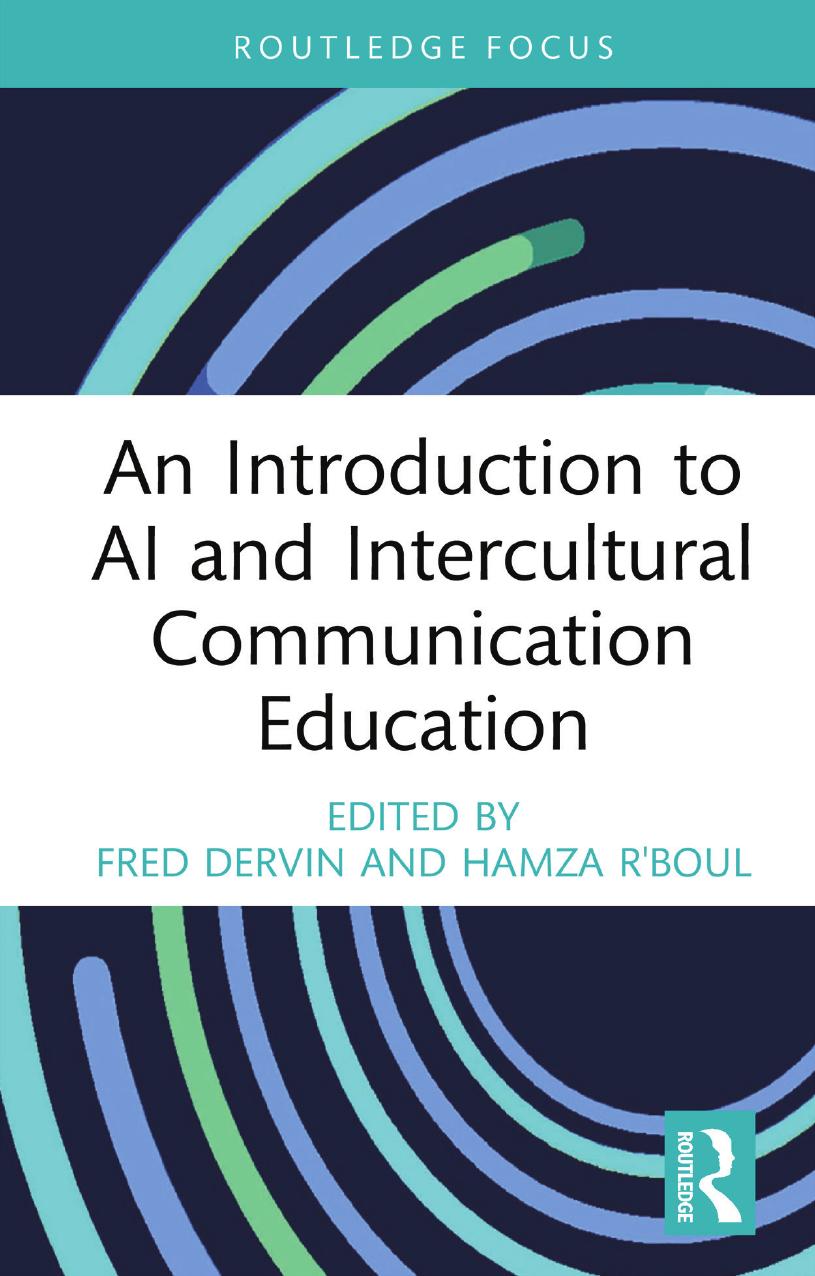
9 reviewsThrough diverse scholarly perspectives, the book examines how AI tools, ranging from language models such as ChatGPT and DeepSeek to generative image systems, could reshape the way we teach, research and conceptualise interculturality. While AI offers innovative opportunities for virtual exchanges, automated translation and accessible learning, it also risks reinforcing stereotypes, Western-centric epistemologies and reductive narratives if used uncritically. The contributors address pressing questions: Can AI facilitate decolonial and reflexive approaches to intercultural communication education, or does it inevitably reproduce dominant paradigms? How can educators harness the potential of AI while safeguarding against its pitfalls, such as algorithmic bias and the erasure of indigenous knowledge systems? Combining theoretical critique with case studies, the volume highlights the need for ethical frameworks that prioritise epistemic justice, pluralistic perspectives and human agency in AI-assisted intercultural communication and education.
This book is an indispensable resource for students, researchers and educators interested in the complexities of technology-mediated learning, as well as the broader fields of higher education, intercultural studies and internationalisation and globalisation.
4.8
22 reviews
4.8
27 reviews
4.5
25 reviews
4.8
29 reviews
5.0
16 reviews
4.3
14 reviews
5.0
18 reviews
4.8
35 reviews