Most ebook files are in PDF format, so you can easily read them using various software such as Foxit Reader or directly on the Google Chrome browser.
Some ebook files are released by publishers in other formats such as .awz, .mobi, .epub, .fb2, etc. You may need to install specific software to read these formats on mobile/PC, such as Calibre.
Please read the tutorial at this link. https://ebooknice.com/page/post?id=faq
We offer FREE conversion to the popular formats you request; however, this may take some time. Therefore, right after payment, please email us, and we will try to provide the service as quickly as possible.
For some exceptional file formats or broken links (if any), please refrain from opening any disputes. Instead, email us first, and we will try to assist within a maximum of 6 hours.
EbookNice Team
Status:
Available4.4
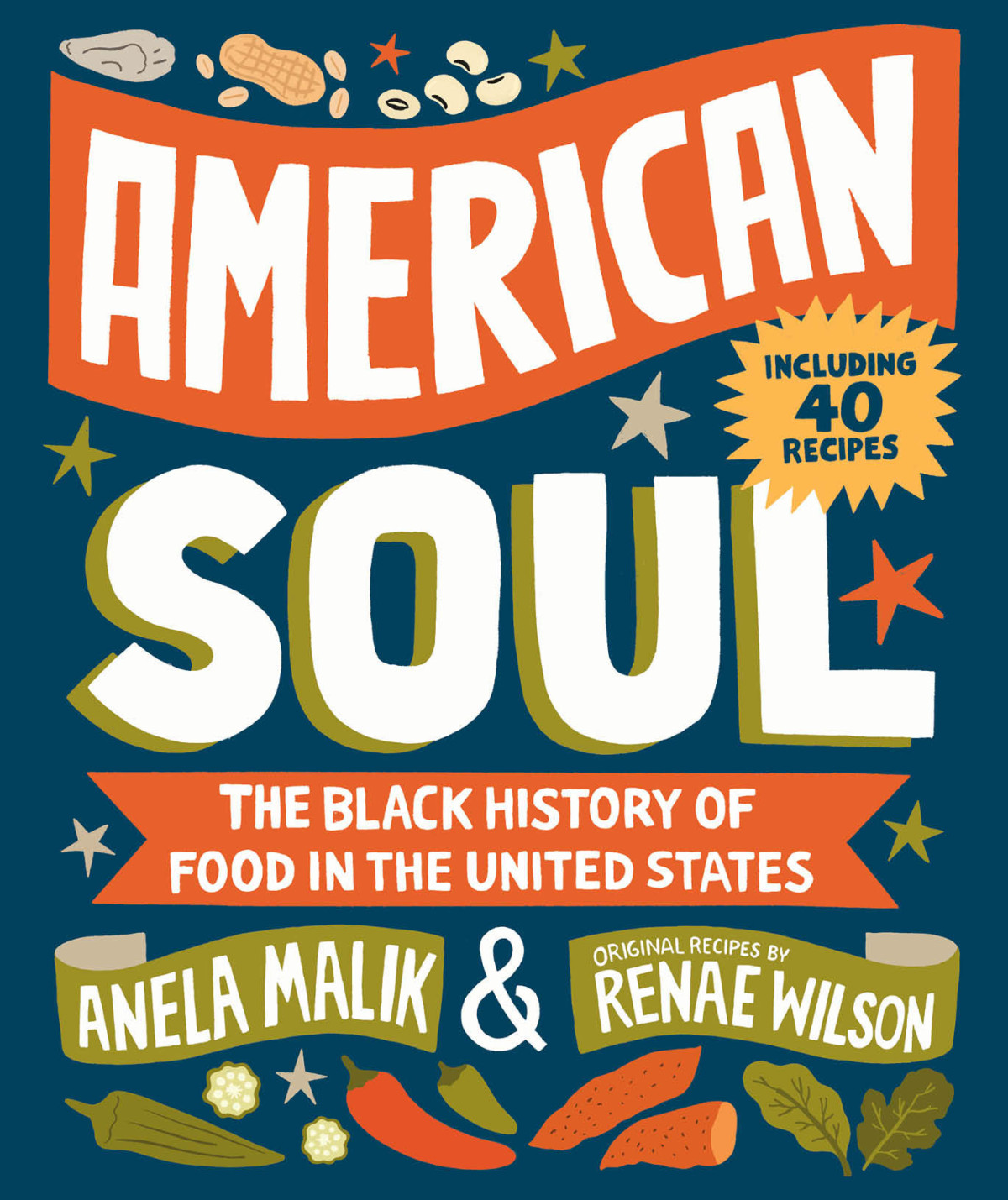
26 reviewsEqual parts historical exploration and cookbook, this rich narrative reveals the rich and indelible contributions of the Black diaspora in shaping the footprint of American cuisine.
This illuminating narrative from Anela Malik, the voice behind the popular Feed the Malik, tracks the development of American cuisine from the days of the trans-Atlantic slave trade to modern history. This captivating journey through the culinary history of the United States includes
• Deep-rooted history from crop migration from West Africa to the chitlin' circuit of the Civil Rights Movement to the modern-day fried chicken sandwich craze.
• Voices in food, with reflections and profiles of more than 30 Black chefs and culinary luminaries including Jessica B. Harris, Cheryl Day, and BJ Dennis.
• Illustrated maps and more than 150 photographs illustrating the country's rich culinary past, regional foodways, historical rice growing regions, barbecue trends, and more
• And 40 recipes from southern skillet cornbread and macaroni and cheese to jerk pork lumpia and blackberry cobbler.
With nuance and empathy, Anela reveals the unrecognized Black roots of some of the most iconic American food traditions and provides a deeper understanding of the profound yet hidden contributions of the Black community to American cuisine.
4.9
20 reviews
4.9
26 reviews
4.8
41 reviews
4.9
25 reviews
4.5
18 reviews
4.7
41 reviews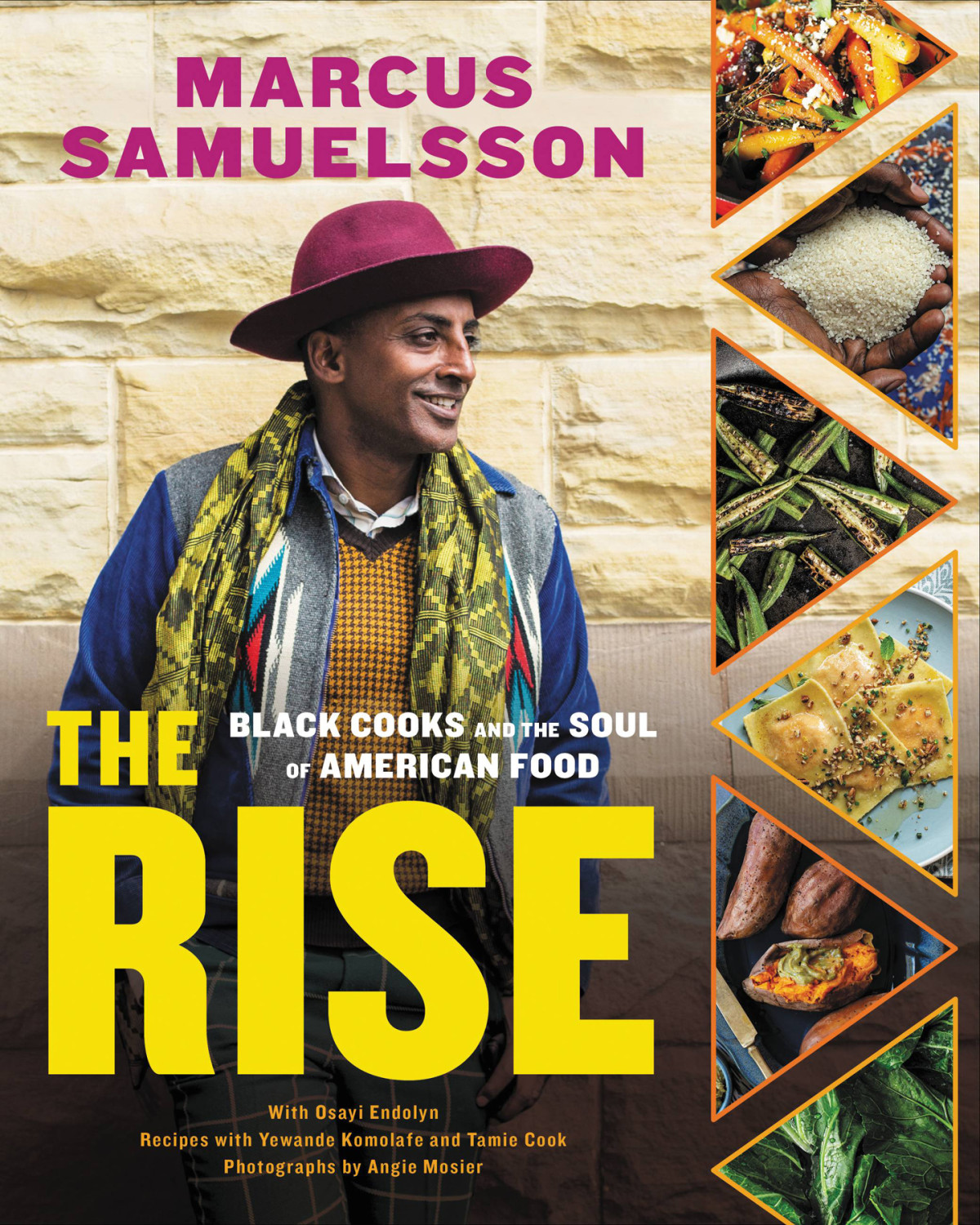

4.4
11 reviews
4.7
40 reviews