
Most ebook files are in PDF format, so you can easily read them using various software such as Foxit Reader or directly on the Google Chrome browser.
Some ebook files are released by publishers in other formats such as .awz, .mobi, .epub, .fb2, etc. You may need to install specific software to read these formats on mobile/PC, such as Calibre.
Please read the tutorial at this link. https://ebooknice.com/page/post?id=faq
We offer FREE conversion to the popular formats you request; however, this may take some time. Therefore, right after payment, please email us, and we will try to provide the service as quickly as possible.
For some exceptional file formats or broken links (if any), please refrain from opening any disputes. Instead, email us first, and we will try to assist within a maximum of 6 hours.
EbookNice Team
Status:
Available4.9
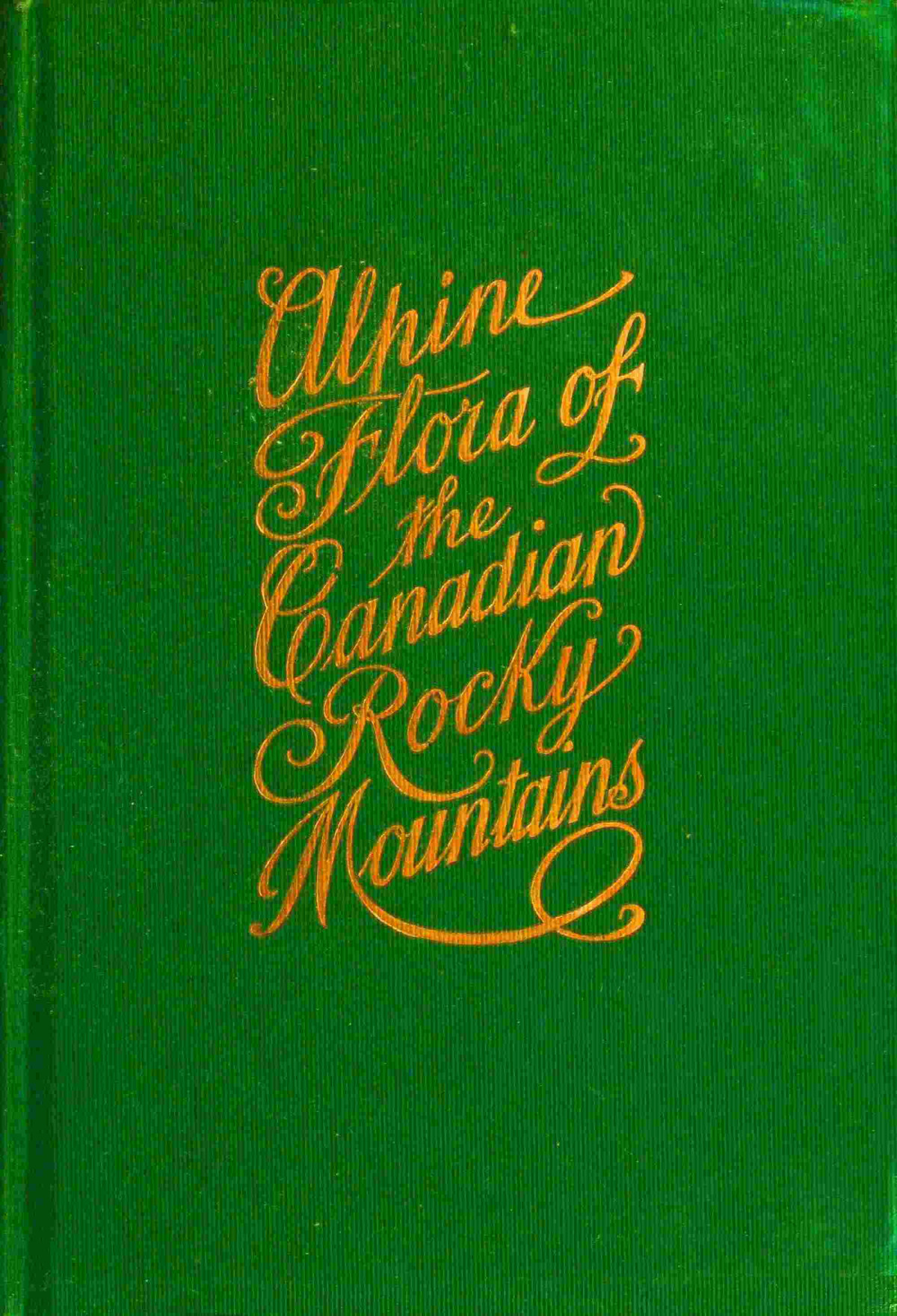
28 reviewsThe present volume, though prepared in manual form, is meant only as a guide to the rich and interesting flora of the Canadian Rockies and Selkirks or those portions traversed by the Canadian Pacific Railway between Banff and Glacier. While many of the plants herein described are found throughout the entire region, yet the species characteristic of the two mountain ranges are vastly different. For the most part those of the Rockies might be characterised as plants adapted to the withstanding of severe conditions of drouth and cold, being mostly low and tufted, with small surfaces of leaf exposure, either thick and leathery or in many instances with an ample covering of protecting hairs; while those of the Selkirks, owing to the more humid atmospheric conditions, are essentially moisture-loving forms, with a luxuriant growth of stems and leaves; it is only where the conditions are similar in the two regions that we find the same or similar forms existing. Few of the more characteristic Rocky Mountain species extend west of the divide, while of those of the Selkirks, few extend east of it, except where there is a luxuriant forest growth, with the consequent retention of moisture, and then only at altitudes of from 2000 to 3000 feet greater.
Contrasting the plants of this region with those of the European Alps it is interesting to note, that while the species are for the most part vastly different, yet there is a certain close resemblance in the families and genera which are represented; the Anemones are here, but not in the scarlets and crimsons, running more to whites and purples, and so are the Buttercups, dwarf many of them, but with large, showy flowers; the Saxifrages and Drabas are innumerable as are the Vetches and also the Heaths, but the latter with fewer and very different species. Some plants, however, like the White Mountain Avens (Dryas octopetala), the Butterwort (Pinguicula vulgaris), the Moss Campion (Silene acaulis), the Mountain Cranberry
…
4.8
20 reviews
4.5
14 reviews
4.7
20 reviews
4.8
16 reviews
5.0
35 reviews
4.3
37 reviews
4.9
28 reviews
4.4
33 reviews