
Most ebook files are in PDF format, so you can easily read them using various software such as Foxit Reader or directly on the Google Chrome browser.
Some ebook files are released by publishers in other formats such as .awz, .mobi, .epub, .fb2, etc. You may need to install specific software to read these formats on mobile/PC, such as Calibre.
Please read the tutorial at this link. https://ebooknice.com/page/post?id=faq
We offer FREE conversion to the popular formats you request; however, this may take some time. Therefore, right after payment, please email us, and we will try to provide the service as quickly as possible.
For some exceptional file formats or broken links (if any), please refrain from opening any disputes. Instead, email us first, and we will try to assist within a maximum of 6 hours.
EbookNice Team
Status:
Available4.9
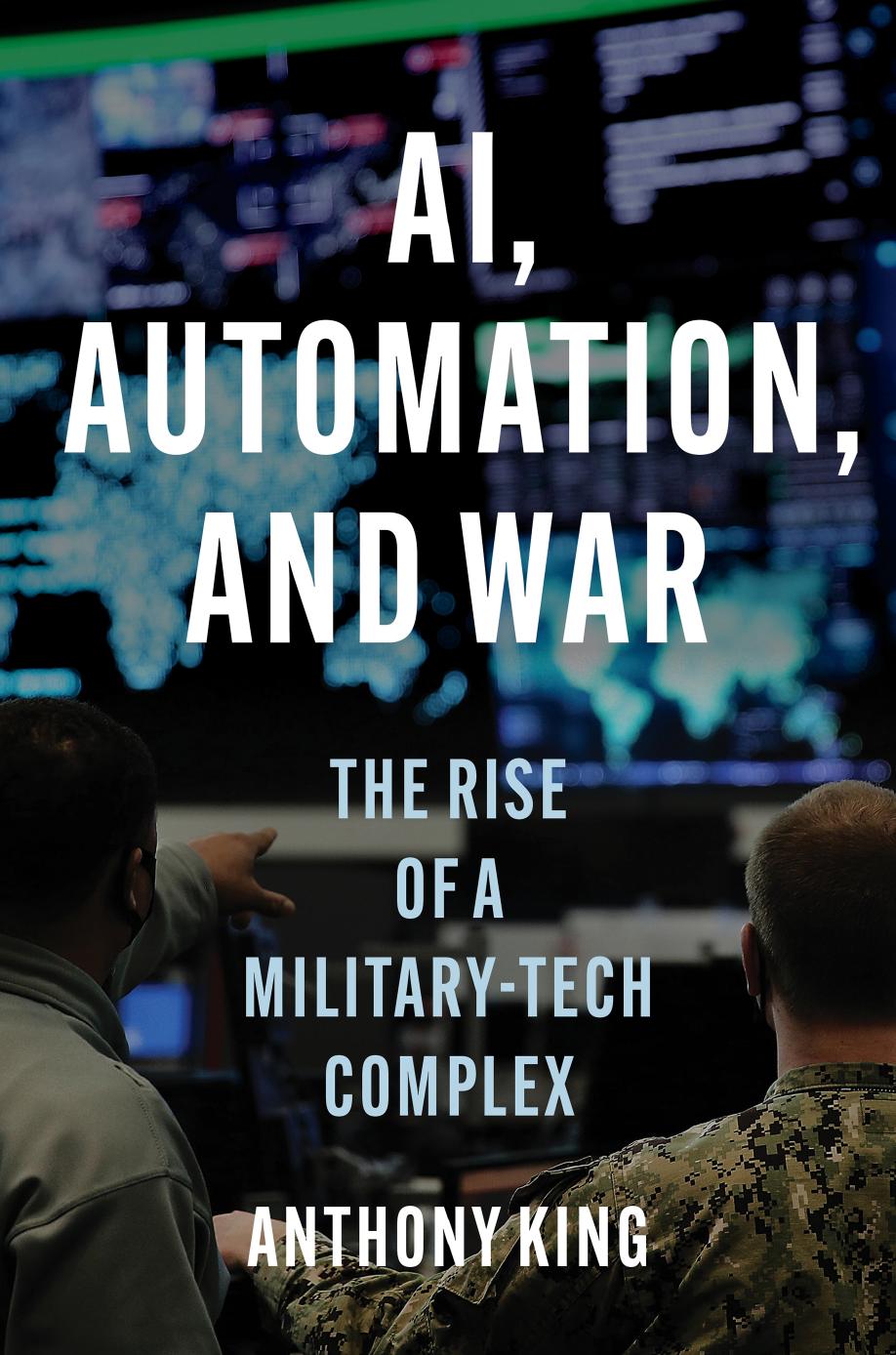
23 reviewsIs AI about to automate war? Will autonomous drone swarms and killer robots controlled by AI dominate the battlespace and determine the winner? In AI, Automation, and War , Anthony King debunks this science fiction–tinged narrative of AI’s military potential, exploring instead the actual applications of AI by the armed forces over the last decade. He finds that AI is not going to replace human commanders and combatants; the machines are not about to take over. Rather, the military has used, and will continue to use, AI to process data at a scale and speed that exceeds the capacity of humans. AI will be used primarily to improve military understanding and intelligence.
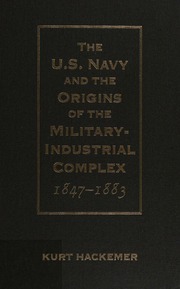
King explains that military commanders, enabled by the data processing power of AI, will be able to see the battlespace at a previously unattainable depth, fidelity, and speed. AI will help the armed forces plan, target, and conduct cyber operations faster and more effectively. In order to harness AI in this way, however, a radical organisational transformation is taking place. The armed forces are integrating civilian technologists into operational headquarters to work alongside military staff. This partnership between the armed forces and the technology sector signals the emergence of a military-tech complex that promises to be as powerful in this century as the military-industrial complex was in the last.

4.5
29 reviews
4.5
19 reviews
4.5
31 reviews
4.7
26 reviews
4.8
34 reviews
4.6
9 reviews
4.6
31 reviews
4.8
11 reviews
5.0
38 reviews