Most ebook files are in PDF format, so you can easily read them using various software such as Foxit Reader or directly on the Google Chrome browser.
Some ebook files are released by publishers in other formats such as .awz, .mobi, .epub, .fb2, etc. You may need to install specific software to read these formats on mobile/PC, such as Calibre.
Please read the tutorial at this link. https://ebooknice.com/page/post?id=faq
We offer FREE conversion to the popular formats you request; however, this may take some time. Therefore, right after payment, please email us, and we will try to provide the service as quickly as possible.
For some exceptional file formats or broken links (if any), please refrain from opening any disputes. Instead, email us first, and we will try to assist within a maximum of 6 hours.
EbookNice Team
Status:
Available4.8
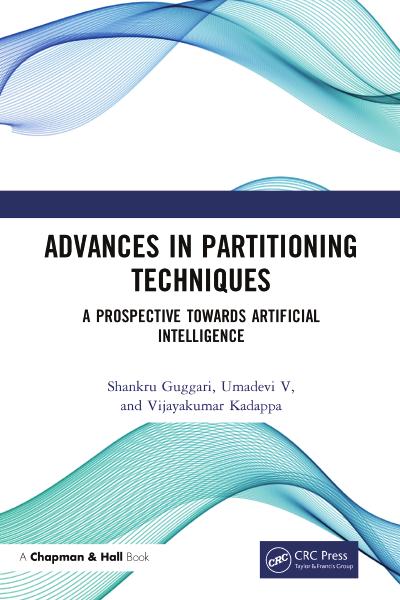
8 reviewsGraphs are prevalent in various AI domains. This book is specifically designed for graph data structures using partitioning techniques and also explores insights into optimizing graph algorithms and analytics. With the explosion of data, efficient partitioning becomes crucial for processing large datasets. This book discusses various partitioning techniques that enable effective management and analysis of big data, enhancing speed and resource utilization. Edge computing demands resource-efficient strategies. It examines partitioning methods tailored for edge devices, enabling AI capabilities at the edge while addressing resource. This book showcases how partitioning techniques have been successfully applied across various AI domains. It demonstrates real-world scenarios where partitioning optimizes AI algorithms and systems.
By bridging the gap between theory and practical applications, this book intends to equip researchers, practitioners, and students with invaluable insights into harnessing partitioning for optimizing AI-driven systems, data processing, and problem-solving strategies. It describes the various advantages and disadvantages of partitioning techniques. This book is a vital resource, illuminating the path towards unlocking the full potential of partitioning in shaping the future of AI technologies.
4.6
23 reviews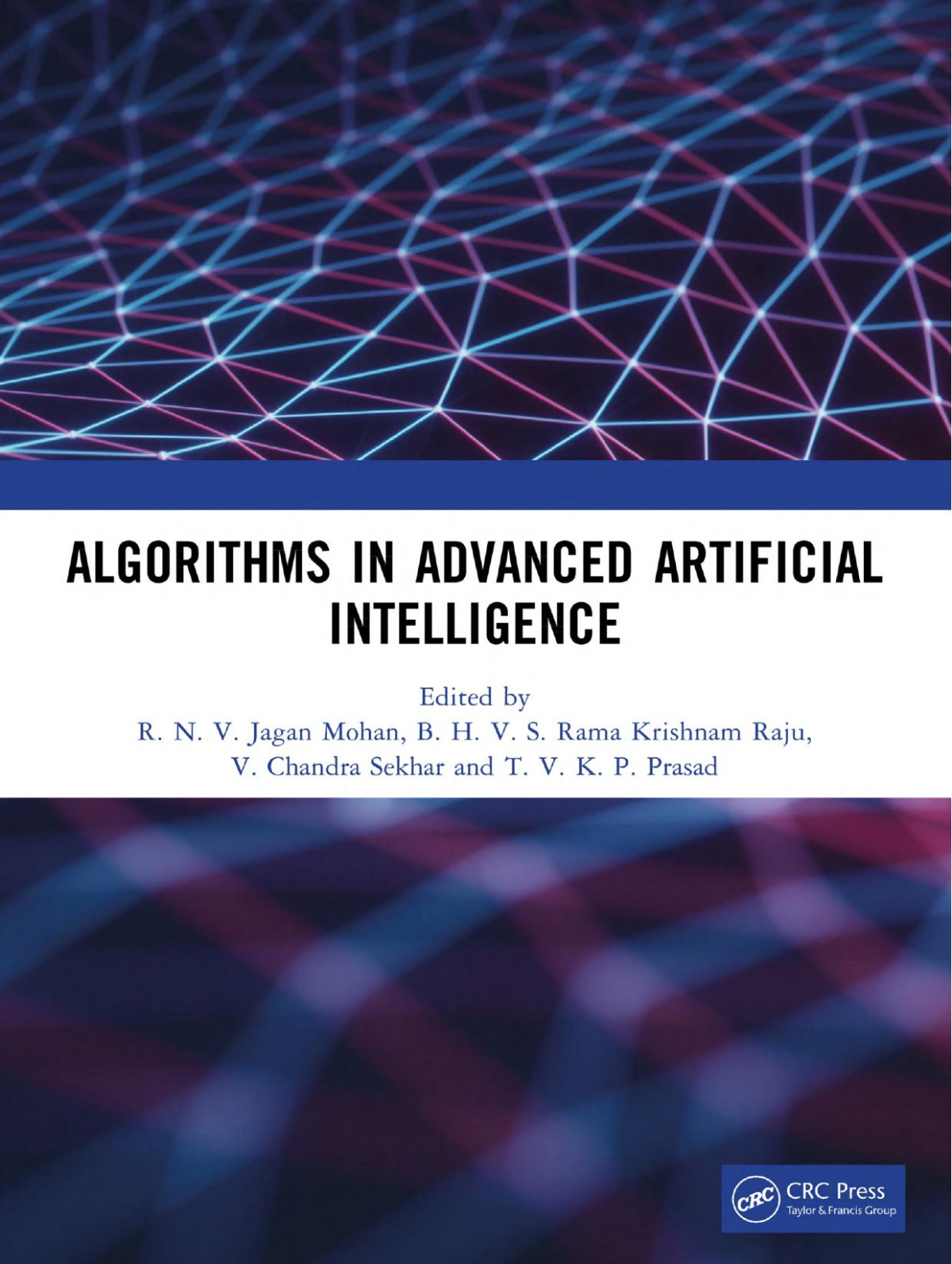
4.7
34 reviews

4.8
25 reviews
4.8
10 reviews
4.6
33 reviews