Most ebook files are in PDF format, so you can easily read them using various software such as Foxit Reader or directly on the Google Chrome browser.
Some ebook files are released by publishers in other formats such as .awz, .mobi, .epub, .fb2, etc. You may need to install specific software to read these formats on mobile/PC, such as Calibre.
Please read the tutorial at this link. https://ebooknice.com/page/post?id=faq
We offer FREE conversion to the popular formats you request; however, this may take some time. Therefore, right after payment, please email us, and we will try to provide the service as quickly as possible.
For some exceptional file formats or broken links (if any), please refrain from opening any disputes. Instead, email us first, and we will try to assist within a maximum of 6 hours.
EbookNice Team
Status:
Available0.0
0 reviews[analytical bookmarks, B&W pages, 20% less size, not epub derivative]
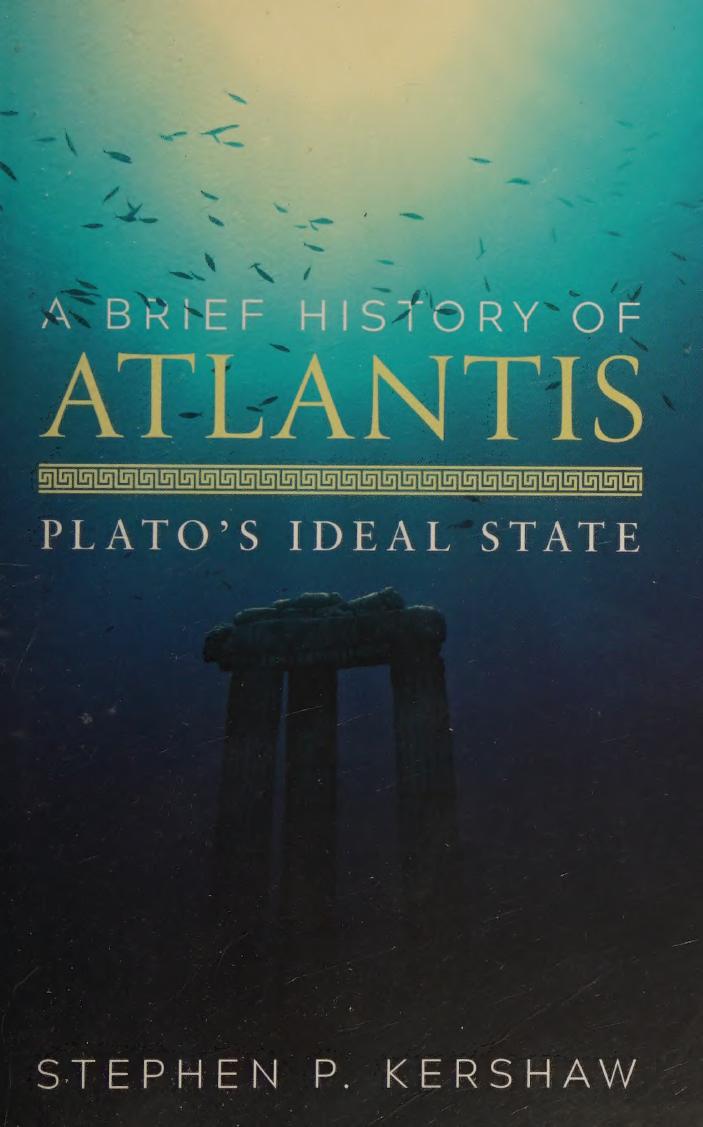
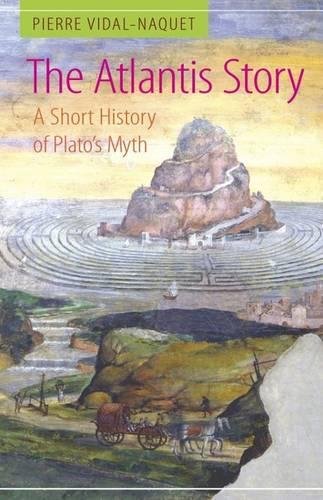
The Atlantis story remains one of the most haunting and enigmatic tales from antiquity, and one that still resonates very deeply with the modern imagination. But where did Atlantis come from, what was it like, and where did it go to?Atlantis was first introduced by the Greek philosopher Plato in two dialogues the Timaios and Kritias, written in the 4th century BC. As he philosophises about the origins of life, the Universe and humanity, the great thinker puts forward a stunning description of Atlantis, an island paradise with an ideal society. But the Atlanteans degenerate and become imperialist aggressors: they fight against antediluvian Athens, which heroically repels their mighty forces, before a cataclysmic natural disaster destroys the warring states. His tale of a great empire that sank beneath the waves has sparked thousands of years of debate over whether Atlantis really existed. But did Plato mean his tale as history, or just as a parable to help illustrate his philosophy?The book is broken down into two main sections plus a coda - firstly the translations/commentaries which will have the discussions of the specifics of the actual texts; secondly a look at the reception of the myth from then to now; thirdly a brief round-off bringing it all together.
5.0
30 reviews

5.0
34 reviews
4.5
41 reviews
4.5
20 reviews
5.0
39 reviews

4.7
17 reviews
4.5
27 reviews