Most ebook files are in PDF format, so you can easily read them using various software such as Foxit Reader or directly on the Google Chrome browser.
Some ebook files are released by publishers in other formats such as .awz, .mobi, .epub, .fb2, etc. You may need to install specific software to read these formats on mobile/PC, such as Calibre.
Please read the tutorial at this link. https://ebooknice.com/page/post?id=faq
We offer FREE conversion to the popular formats you request; however, this may take some time. Therefore, right after payment, please email us, and we will try to provide the service as quickly as possible.
For some exceptional file formats or broken links (if any), please refrain from opening any disputes. Instead, email us first, and we will try to assist within a maximum of 6 hours.
EbookNice Team
Status:
Available4.5
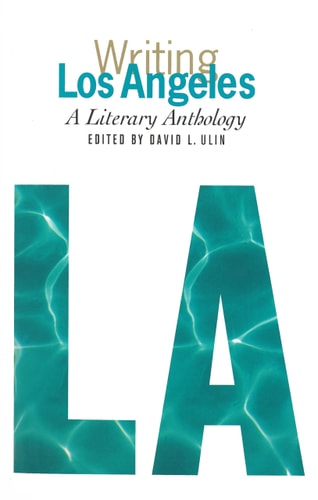
39 reviewsHaving previously compiled an anthology of contemporary poetry and prose about the southern California megalopolis, Ulin here gathers of it in several genres, in whole or excerpted, from a range of periods and mostly by writers who did not live there. Annotation c. Book News, Inc.,Portland, OR
The New YorkerBefore the first postcards arrived back East showing sunlit cactuses and mesas, railroad-company photographers and government surveyors had already begun to document the American West for commercial gain. In Print The Legend, Martha A. Sandweiss writes that as early as the eighteen-sixties daguerreotypes, album plates, and glass lantern slides encouraged railroad barons and real-estate developers to plot their next moves. Desolate flatlands were paired with optimistic text, depicting \"a visual story that affirmed and expanded the central fictions of nineteenth-century western history.\"
The rodeo circuit provides another framework for Western legend; barrel-racing cowgirls spent their time away from the arena \"polishing white boots and powdering white hats,\" according to Rodeo Queens and The American Dream. Author Joan Burbick interviews female rodeo stars, starting with the foremothers of the nineteen-thirties. \"Buckle bunnies,\" as they were called, \"were on a strict work schedule. Western heritage was serious business.\"
Farther west lay California, and particularly Southern California, with its stark contrasts of reality and fakery, history and amnesia. \"Accept no man's statement that he knows this Country of Lost Borders well,\" Mary Austin warned in 1909, but more than seventy contributors take a shot in Writing Los Angeles. One of them, Helen Hunt Jackson, described L.A. in 1883 as a city of \"century-long summers\" --
4.6
16 reviews
4.3
19 reviews

4.5
41 reviews
4.7
16 reviews
4.7
13 reviews