
Most ebook files are in PDF format, so you can easily read them using various software such as Foxit Reader or directly on the Google Chrome browser.
Some ebook files are released by publishers in other formats such as .awz, .mobi, .epub, .fb2, etc. You may need to install specific software to read these formats on mobile/PC, such as Calibre.
Please read the tutorial at this link. https://ebooknice.com/page/post?id=faq
We offer FREE conversion to the popular formats you request; however, this may take some time. Therefore, right after payment, please email us, and we will try to provide the service as quickly as possible.
For some exceptional file formats or broken links (if any), please refrain from opening any disputes. Instead, email us first, and we will try to assist within a maximum of 6 hours.
EbookNice Team
Status:
Available4.5
13 reviews
ISBN-10 : 0810144875
ISBN-13 : 9780810144873
Author: Rick Elmore, Ege Selin Isleke
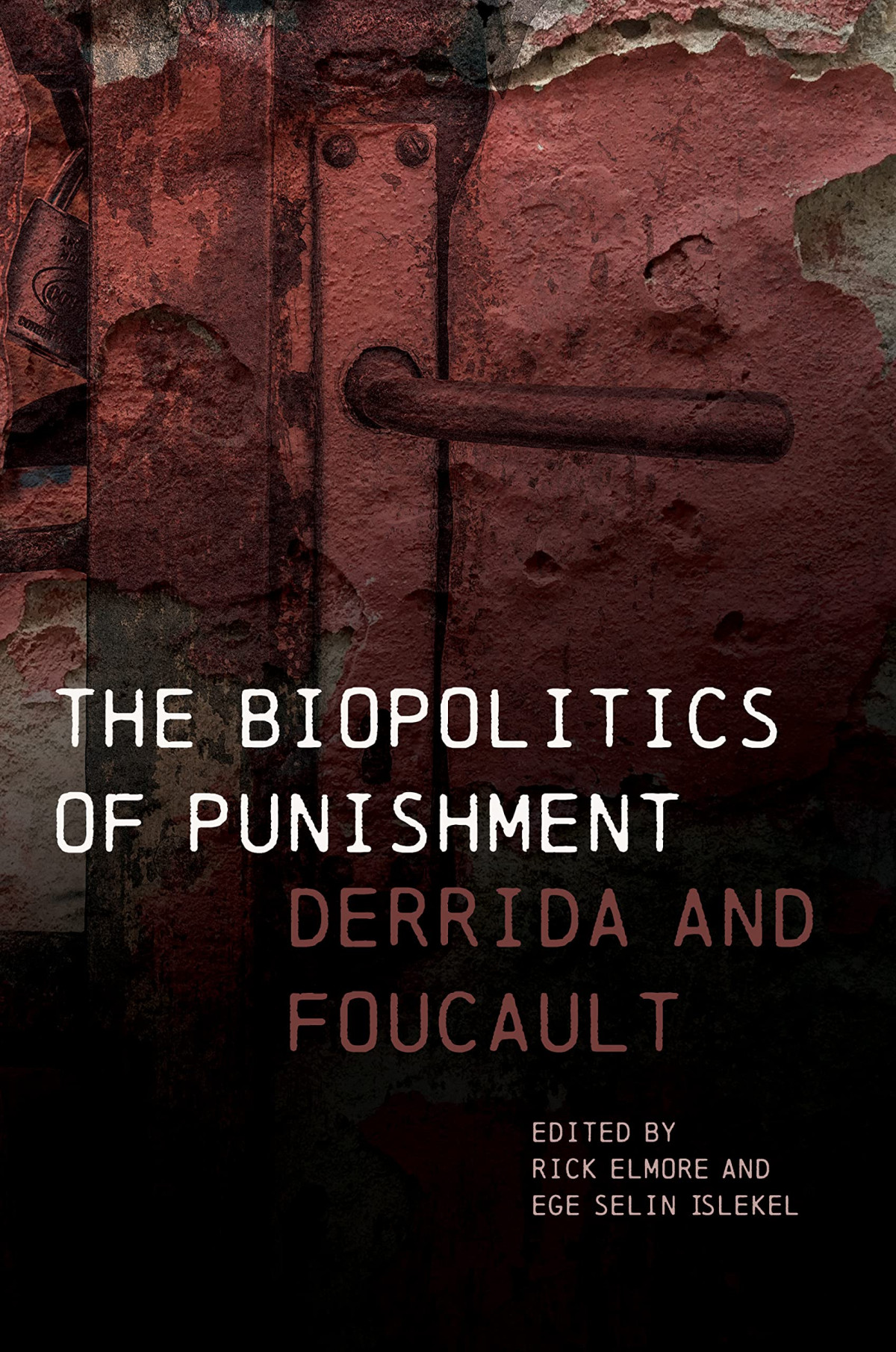
This volume marks a new chapter in the long-standing debate between Jacques Derrida and Michel Foucault regarding argumentative methods and their political implications. The essays chart the undertheorized dialogue between the two philosophers on questions of life, death, punishment, and power—an untapped point of departure from which we might continue to read the convergence and divergence of their work. What possibilities for political resistance might this dialogue uncover? And how might they relate to contemporary political crises?
With the resurgence of fascism and authoritarianism across the globe, the rise of white supremacist and xenophobic violence, and the continued brutality of state-sanctioned and extrajudicial killings by police, border patrols, and ordinary citizens, there is a pressing need to critically analyze our political present. These essays bring to bear the critical force of Derrida’s and Foucault’s biopolitical thought to practices of mass incarceration, the death penalty, life without parole, immigration and detention, racism and police violence, transphobia, human and animal relations, and the legacies of colonization. At the heart of their biopolitics, the volume shows, lies the desire to deconstruct and resist in the name of a future that is more just and less policed. It is this impulse that makes reading their work together, at this moment, both crucial and worthwhile.
what are the 4 theories of punishment
what is biopolitics foucault
what are the elements of punishment
what is biopower and biopolitics
biopolitics of punishment
Tags: The Biopolitics, Punishment, Derrida, Foucault, Rick Elmore, Ege Selin Isleke

4.6
12 reviews

4.7
9 reviews

4.6
8 reviews
5.0
16 reviews
4.3
9 reviews
4.3
26 reviews