
Most ebook files are in PDF format, so you can easily read them using various software such as Foxit Reader or directly on the Google Chrome browser.
Some ebook files are released by publishers in other formats such as .awz, .mobi, .epub, .fb2, etc. You may need to install specific software to read these formats on mobile/PC, such as Calibre.
Please read the tutorial at this link. https://ebooknice.com/page/post?id=faq
We offer FREE conversion to the popular formats you request; however, this may take some time. Therefore, right after payment, please email us, and we will try to provide the service as quickly as possible.
For some exceptional file formats or broken links (if any), please refrain from opening any disputes. Instead, email us first, and we will try to assist within a maximum of 6 hours.
EbookNice Team
Status:
Available5.0
8 reviewsISBN 10: 1869224721
ISBN 13: 9781869224721
Author: Natalie Cunningham
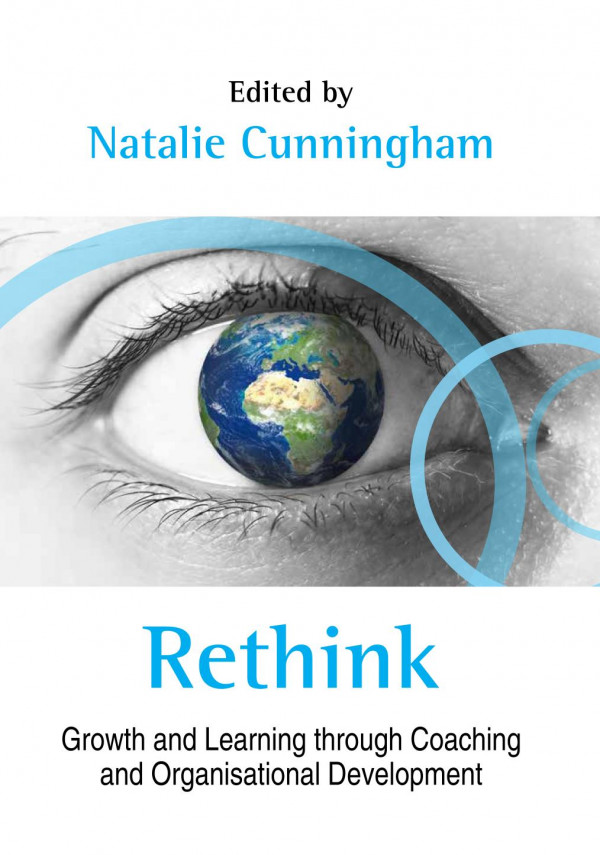
RETHINK GROWTH AND LEARNING THROUGH COACHING AND ORGANISATIONAL DEVELOPMENT
Lisa Kimball and Louise van Rhyn
Introduction
The complexity lens and organisational change
Distinguishing between organisational challenges
Small changes, big effects
The edge of chaos and adaptability
Simple rules, complex behaviours
Key principles for working with organisations
Organisational culture and complexity
Practice implications
Conclusion
References
Eileen Thayser
Introduction
Chapter outline
Origins of narrative approaches
Narrative coaching practices
Integrated narrative coaching model
Potential downsides
Conclusion
Endnotes
References
Chantelle Wyley
Introduction
History of Gestalt OD
Philosophical foundations
Gestalt models and techniques
The art of Gestalt in practice
Conclusion
References and endnotes
Lynda Gouveia
Introduction
Positive psychology in action
Overview of positive psychology
Tools and techniques
Anticipated outcomes
Conclusion
Appendix: Classification of virtues and character strengths
References, endnotes, and further reading
Natalie Cunningham
Introduction
History of neuroscience
Philosophical underpinnings
Theoretical concepts
Organisational applications
Dispelling neuromyths
Conclusion
References and endnotes
Alison Reid
Introduction
Group coaching in business
Relevance of social learning
Defining group and team coaching
Business and learning benefits
Types, techniques, and tools
Vignette applications
Theoretical influences
Conclusion
References and endnotes
Tanya Stevens
Introduction
Defining "integral"
Overview of integral theory
Ken Wilber’s AQAL model
Applying integral theory in coaching
Strategic change using AQAL
Conclusion
References and endnotes
rethink teaching and learning
rethink growth
rethink blended learning
rethinking growth
growth and learning
Tags: Natalie Cunningham, Growth and Learning, Coaching and Organisational

5.0
25 reviews
4.4
14 reviews
4.6
34 reviews
4.6
40 reviews
4.4
32 reviews

4.4
19 reviews